
Body + Mind is reader-supported. We may earn an affiliate commission when you buy through some of the links on our site.
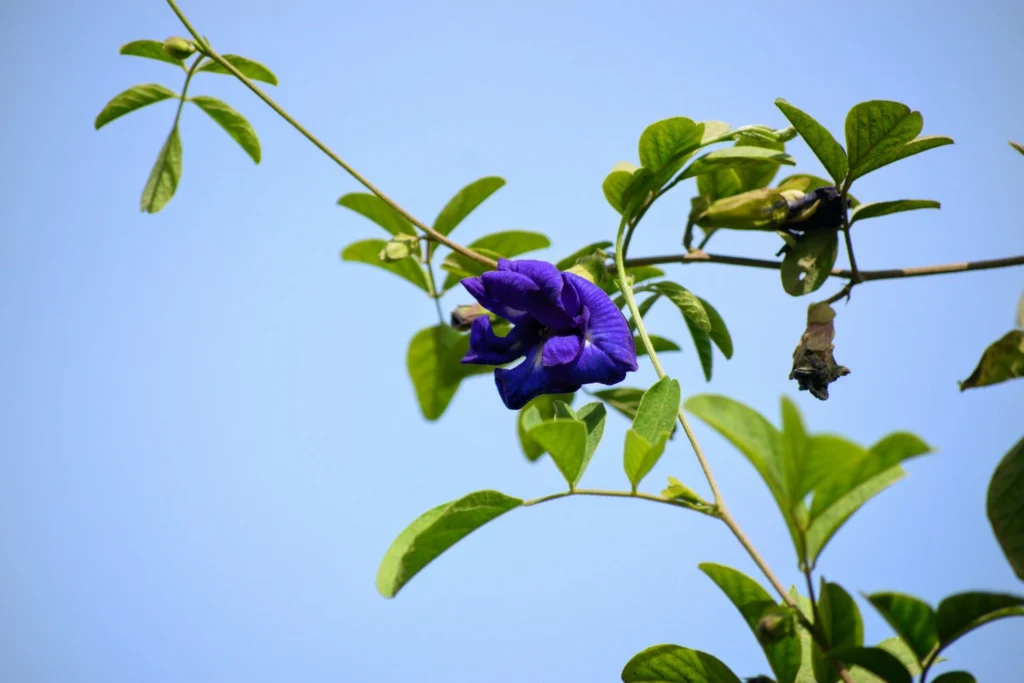
Picture a tea that turns the color of a clear afternoon sky, then shifts to lavender the second you add a splash of lemon. No filter required. That is butterfly pea flower tea, a caffeine-free herbal infusion made from the dried petals of Clitoria ternatea, a flowering vine native to Southeast Asia.
You have probably scrolled past its electric blue hue on social media, but the appeal goes well beyond the photo op. This flower has been used for centuries in Ayurvedic and Thai traditional medicine, and researchers are now catching up to explain why it might deserve a permanent spot in your cabinet, not just your camera roll.
Before you dive into the benefits, it helps to know why this tea looks like it belongs in a wizard’s potion cabinet.
Butterfly pea flower gets its striking blue tone from anthocyanins, the same antioxidant pigments that color blueberries and red cabbage. Within this flower, researchers have identified a specific class of these compounds, called ternatins, along with flavonoids such as kaempferol and quercetin.
When you add citrus, such as lemon or lime, the acidity shifts the tea’s pH and the color slides from blue toward violet or pink. That reaction is not a magic trick — it is simple chemistry showing off in your cup. Most of its benefits are still supported mainly by laboratory and animal research, though its antioxidant profile remains consistently well-documented.
That antioxidant profile does not stop at looking pretty, it may also be doing some quiet work upstairs while you’re busy admiring the color.
Traditional medicine has long used butterfly pea root and flower to support memory, and modern research is starting to explain why. Studies have linked butterfly pea extract to higher acetylcholine levels in the brain, a neurotransmitter tied closely to learning and memory formation. A 2025 study also found it eased anxiety-like behavior and improved sleep quality, which lines up with the tea’s long-standing reputation as a calming ritual.
If you want to give your mind a gentle assist, try these small swaps:

Your brain is not the only organ angling for a turn. The rest of your body has been quietly raising its hand, too.
Early animal research has connected butterfly pea flower extract to lower blood pressure and improved blood vessel function, largely thanks to its flavonoid content. Other lab studies point to anti-inflammatory activity, which matters because chronic inflammation sits behind conditions like heart disease and arthritis. That is exactly why so many wellness routines now lean on anti-inflammatory foods and drinks alongside antioxidant-rich options like this one. Preliminary studies also suggest the extract may help moderate blood sugar in animal models, an early signal worth watching given how common metabolic health concerns have become.
Beyond what happens on the inside, this flower has been moonlighting as a beauty ingredient, too.
You do not need an expensive serum to try this. Some skincare and haircare brands already fold the extract into toners and rinses, or you can simply splash cooled, brewed tea onto your scalp or face after a shower.
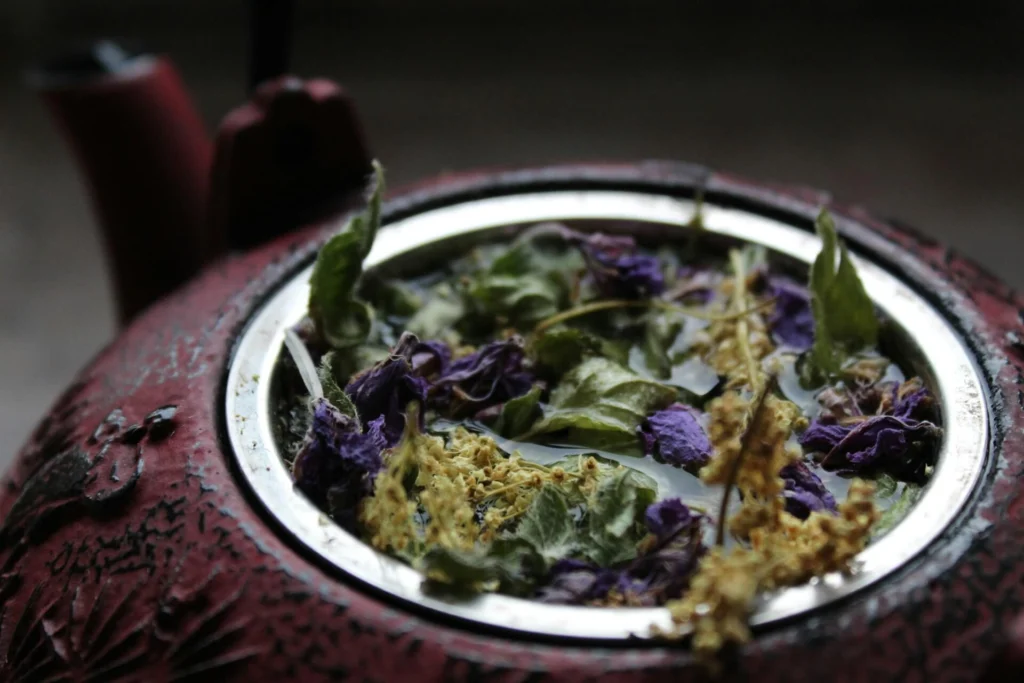
Once you are sold on the benefits, the good news is you don’t need a barista, a wand or any special skills to pull this off.
Like most herbal ingredients that sound too good to be true, butterfly pea flower tea comes with a few fine-print moments. Most research so far comes from animal and lab studies, so scientists still need larger human trials before they can confirm exact doses or long-term effects.
Some early data also suggest that concentrated anthocyanin extracts may affect kidney cells differently than whole-flower extracts, so more is not automatically better. If you take blood pressure medication or blood thinners, check with your doctor before adding this tea to a daily routine, since its natural compounds could interact with certain drugs. Pregnant women should also ask a healthcare provider first, since research on the flower during pregnancy remains limited.
Butterfly pea flower tea will not replace your multivitamin or your dermatologist, but it earns its spot in a wellness routine for good reason. It looks like something out of a fairy tale, tastes mild and earthy, and is backed by a growing body of research on its antioxidant power. Whether you drink it for a mental boost, a gut-friendly ritual or simply because turning your tea purple with a squeeze of lemon never gets old, this centuries-old flower has plenty to offer your modern routine.

Your email address will only be used to send you our newsletter, and at any time you may unsubscribe. For more information, see our Privacy Policy.
