


Body + Mind is reader-supported. We may earn an affiliate commission when you buy through some of the links on our site.
Being told by doctors to follow a low-FODMAP diet can feel overwhelming. You’re handed out a list of foods to avoid, and they’re all the things you love. You try to stick to the diet, but meal planning becomes impossible, grocery shopping takes twice as long, and restaurant menus become puzzles to solve. If you’re already dealing with stomach pain and bloating, the last thing you need is more stress.
The good news is that following a low FODMAP diet doesn’t have to be expensive or stressful. You’re also not stuck to bland meals for the rest of your life. Here is how to enjoy delicious meals while providing your digestive system with the support it needs.
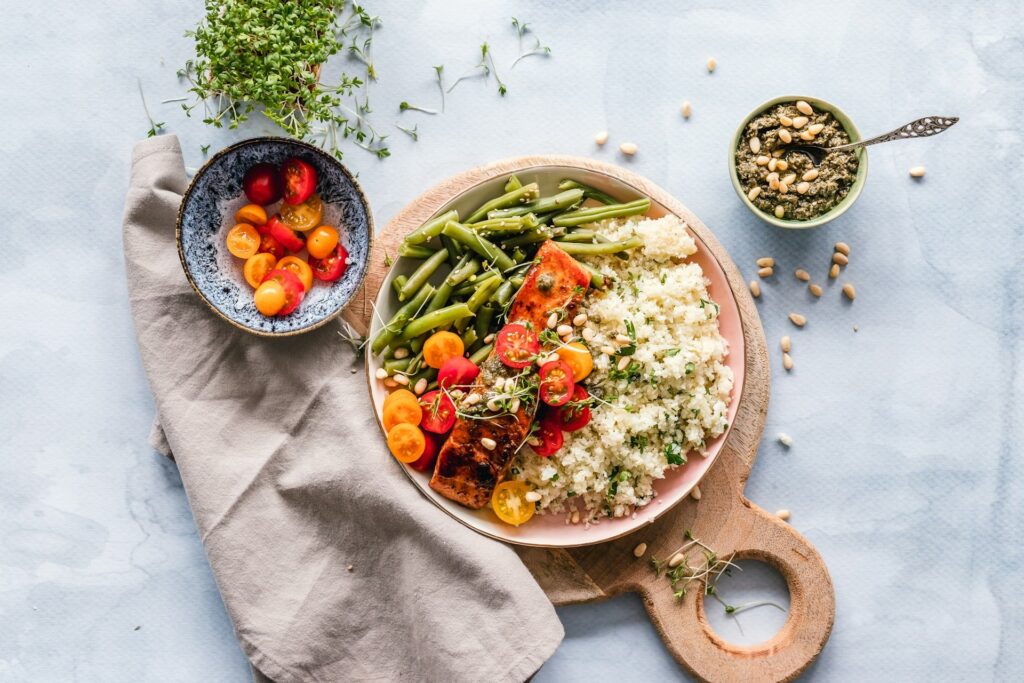
The low FODMAP diet is a temporary diet that aims to reduce certain carbohydrates that are difficult for some people to digest. These carbohydrates are fermentable short-chain carbohydrates which include oligosaccharides, disaccharides, monosaccharides and polyols. These carbohydrates pull extra water into the digestive tract and are fermented by bacteria in the large intestine, resulting in bloating, discomfort and changes in bowels.
Temporarily reducing these carbohydrates can help calm these symptoms and make it easier to identify your triggers, which can be significantly helpful for people with irritable bowel syndrome and other sensitive digestive conditions. Remember that low FODMAP foods aren’t unhealthy. In fact, many of them are actually quite nutritious. Doing this diet helps you learn which ones your body tolerates in what amounts.
One of the biggest misconceptions about low-FODMAP diets is that they are a permanent lifestyle change. In actuality, the elimination phase is just the first step. This step provides your digestive system a break from all the symptoms and discomfort you’re experiencing. Registered dietitians help you identify personal food triggers so you don’t have to avoid entire food groups for the rest of your life.
Once you know which foods bother your digestive system, you can gradually reintroduce them. The result of this process is a flexible diet that is tailored to your body’s needs.
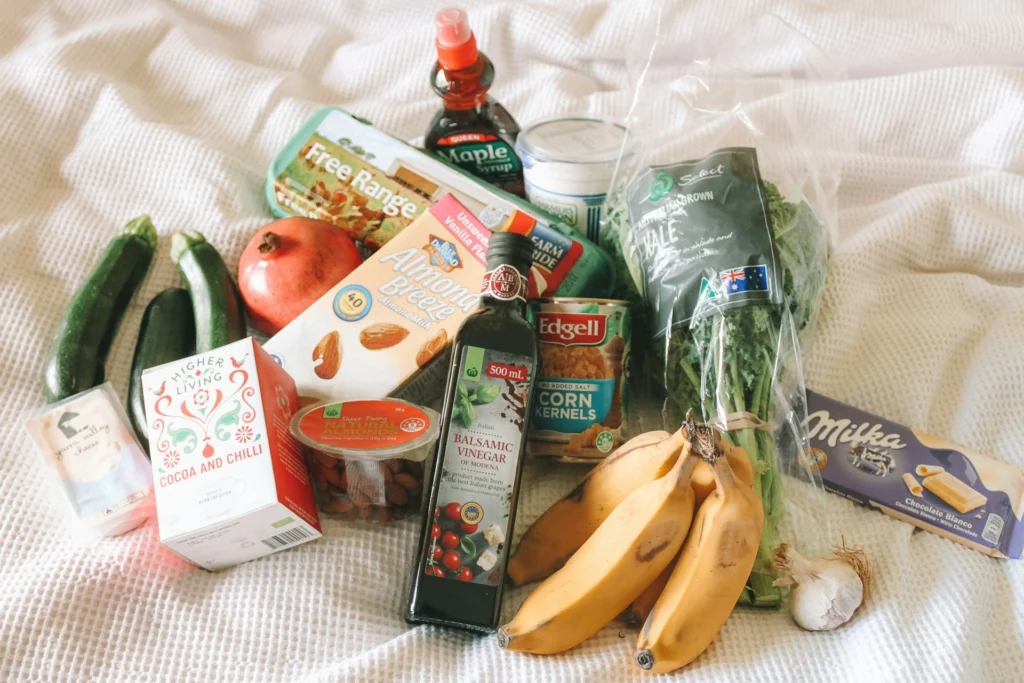
Following a low FODMAP diet doesn’t mean you can only eat bland food. You can use simple alternatives for the ingredients of your favorite comfort foods.
Garlic and onions are among the most common high-FODMAP foods. Unfortunately, they are also aromatic base ingredients for countless meals. However, you can switch them out for other simple alternatives.
To still get the garlic aroma and flavor in your food, you can use garlic-infused oil in place of garlic. You get that familiar taste without the digestive discomfort. This is because the FODMAP compounds in garlic don’t dissolve into the oil. For onions, you can also use the green parts of scallions and spring onions for the same flavor profile. Other ingredients you can use to build rich and satisfying flavors include fresh herbs, ginger, chives, smoked paprika, cumin and citrus zest.
Finding out you need to eliminate pasta and bread feels scary. However, you actually don’t have to restrict pasta forever. Budget-friendly staples such as white rice, brown rice, quinoa and gluten-free oats can soak up sauces and are naturally low FODMAP.
If you’re craving bread, sourdough and gluten-free options are good choices, as they are tolerated by many people. Just make sure to check their ingredient list. It’s important to read labels so you can stick to whole-food staples instead of ultra-processed food.

Affordable low FODMAP meals don’t have to be complicated. You can simply choose an inexpensive protein, pair it with low-FODMAP vegetables and add a filling carbohydrate. Some budget-friendly proteins include eggs, firm tofu, chicken thighs, chicken breasts, canned tuna, and lean ground turkey. You can pair these by eating the rainbow, with a variety of fruits and vegetables of different colors:
You can complete these ingredients with rice, potatoes, quinoa and oats for lasting energy.
Meal prep doesn’t have to be overwhelming. You can start by cooking a large batch of your base carbohydrates, such as rice or quinoa, at the beginning of the week. They provide a ready-made base for multiple meals. After that, you can prepare protein so they’re available anytime hunger strikes. Bake chicken breasts, boil eggs or prepare seasoned tofu ahead of time. Make sure to store them in airtight containers so they can remain fresh and be ready for use for grab-and-go lunches.
For vegetables and fruits, you can wash and chop them before storing them in containers. By preparing these ingredients, you can throw them into salads, stir-fries, and omelets. By having ready-made safe ingredients in your refrigerator, you can easily prepare meals when you’re busy or tired instead of defaulting to convenience foods that might trigger symptoms.
Once your symptoms have improved, your doctor might advise you to start reintroducing food. This phase involves testing one FODMAP group at a time in carefully controlled portions. You monitor your symptoms along the way. By doing this, you get valuable information about what your body tolerates, so you don’t need to avoid certain foods forever.
Many people discover they can actually eat specific foods in certain amounts. This personalized approach helps you expand your home-cooking ingredient list and makes long-term eating far more enjoyable.
The important thing to remember is that patience is key during this phase. Reintroduction takes time, but it transforms your diet from a restrictive plan to a personalized digestive strategy that supports your health.
Learning to eat low FODMAP food can seem frustrating at first, but it can become manageable when you focus on simple and affordable habits. A few smart ingredient swaps and budget-friendly meal preps can make a significant difference for your digestive comfort.

Your email address will only be used to send you our newsletter, and at any time you may unsubscribe. For more information, see our Privacy Policy.
