

Body + Mind is reader-supported. We may earn an affiliate commission when you buy through some of the links on our site.
Eating in a calorie deficit is the nonnegotiable requirement for fat loss. There is no workaround, no metabolic hack and no food combination that overrides basic energy balance. What does vary is how well a design is designed, and whether it supports long-term results or quietly works against them. If it consistently leaves you feeling exhausted or preoccupied with food, the issue is almost always the structure of the deficit, not the person following it. Once you know how to eat in a calorie deficit, losing weight becomes easy.
A calorie deficit occurs when the body uses more energy than it receives from food. To compensate, stored energy — primarily body fat — is mobilized to meet daily needs. This process is predictable and measurable, but it’s also sensitive to the degree of calorie reduction.
Large, rapid calorie cuts often trigger compensatory adaptations such as increased hunger, reduced spontaneous movement and loss of lean muscle mass. These responses are protective, not failures of discipline. For most people, a moderate calorie deficit of roughly 10% to 20% below maintenance allows fat loss to occur while minimizing these adaptations.
When you reduce your caloric intake, your body is more vulnerable to muscle loss. Protein intake acts as a protective signal, helping preserve lean tissue while reducing fat mass. It also slows digestion and improves satiety, making the deficit more tolerable over time.
Most research supports higher protein intake during fat loss, particularly for those who train or remain physically active. Spreading protein evenly across meals further supports muscle retention and stabilizes appetite throughout the day. Aim for around 0.73 and 1 grams per pound of body weight. This is a foundational element of effective fat loss, not an optional enhancement.
Some of the best lean proteins to add to your diet include:
Calorie control alone doesn’t determine success. The types of foods you consume strongly influence hunger, energy levels and adherence. Diets built around highly processed, low-volume foods tend to increase appetite despite meeting calorie targets.
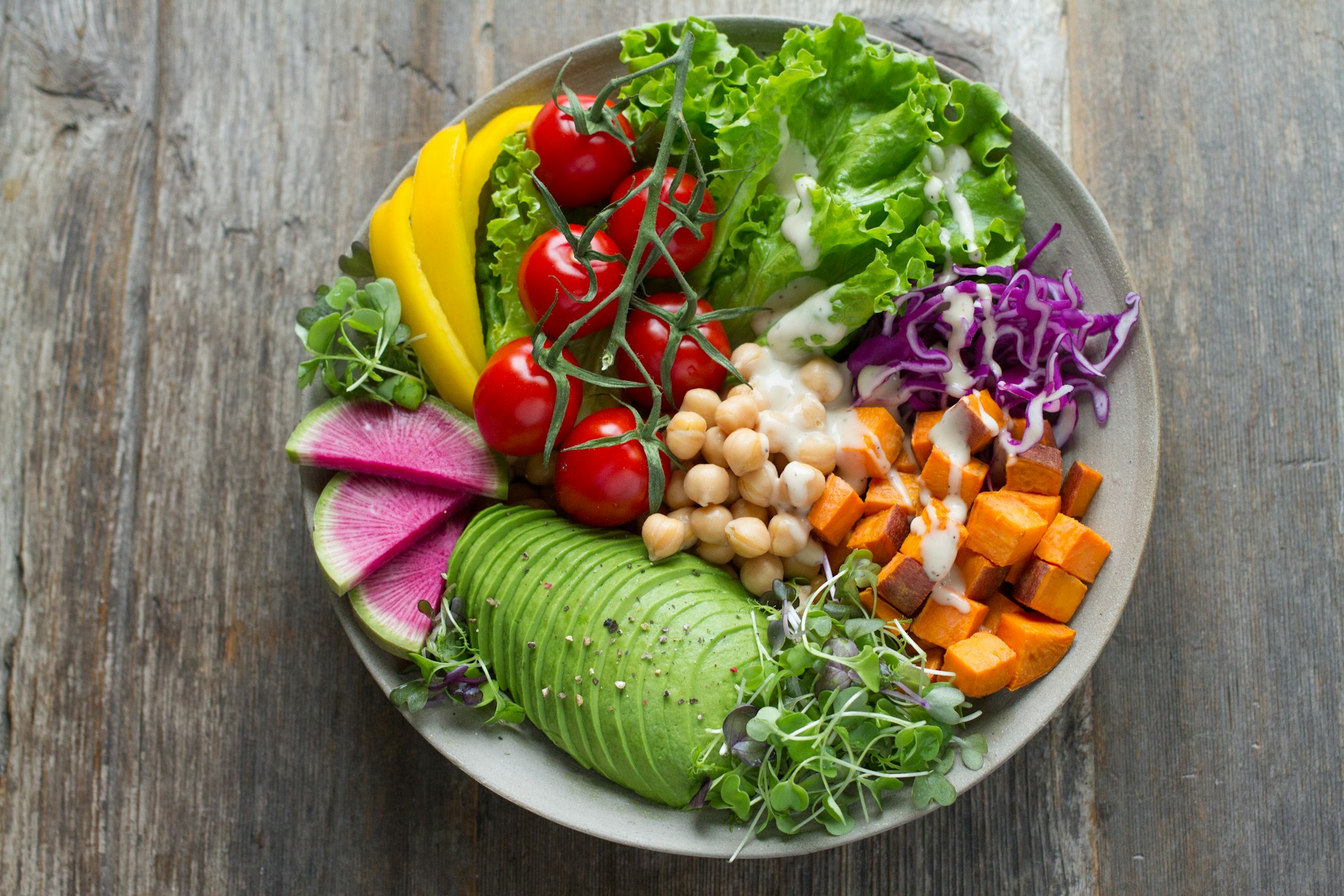
Whole foods with high fiber and water content allow you to eat larger portions without excessive calories. This supports fullness, digestion and consistency, all of which matter far more than short-term precision. A deficit should reduce intake, not food enjoyment.
Many people reduce their carbohydrate intake first, yet they play an essential role in performance and recovery. In a calorie deficit, adequate carb intake supports training intensity, supports glycogen stores and helps maintain lean mass.
The key isn’t elimination but intentional use. Prioritizing minimally processed sources and adjusting portions based on activity level allows carbohydrates to support fat loss rather than interfere with it. Precision consistently outperforms restrictions.
Dietary fat is essential for hormonal health and nutrient absorption, but it’s also the most calorie-dense macronutrient. This makes it easy to overconsume without noticing, particularly through oils, dressings, nuts and spreads.
Awareness is often enough to correct the issue. Measuring portions initially can improve accuracy and prevent stalled progress, especially when results slow despite apparent consistency. Eliminating fat is unnecessary and counterproductive.
Fat loss succeeds on consistency, not motivation. Relying on willpower to make daily food decisions introduces variability that often undermines progress. Structure reduces friction and improves adherence without increasing mental effort.
An effective structure usually includes:
These strategies simplify decision-making and support consistency over long periods of time.
Rigid dietary rules tend to fail when real life intervenes. Social events, travel and unpredictable schedules are inevitable, and a successful calorie deficit accounts for them rather than pretending they won’t happen.
Looking at intake over a weekly average instead of demanding daily perfection allows flexibility without loss of progress. Occasional higher-calorie days don’t derail fat loss, but abandoning structure altogether does.

Sleep is often treated as optional, yet it has a direct impact on fat loss outcomes. Inadequate sleep increases hunger hormones, reduces insulin sensitivity and impairs decision-making around food. All of these make it harder to maintain a calorie deficit, even when intake is technically planned.
Consistently short sleep also increases the likelihood of muscle loss during weight loss. Protecting sleep quality supports hormonal regulation, recovery and appetite control, making the deficit more effective with less perceived effort.
Calorie needs aren’t static. As body weight decreases, so does energy expenditure, meaning a deficit that once worked may eventually become maintenance. This is a normal physiological response, not a plateau caused by “metabolic damage.”
Reassessing intake periodically and making minor adjustments maintains progress without requiring drastic changes. Incremental reductions or slight increases in activity are usually sufficient to reestablish the deficit.
Calorie tracking can be an effective educational tool, especially early on, as it improves awareness and highlights common portion errors. Over time, some individuals maintain results using habit-based approaches instead.
Both methods can work if they support adherence and clarity. The best approach is the one that allows consistency without mental fatigue.

The scale is a limited tool, especially in a calorie deficit. Daily weight fluctuations are influenced by hydration, glycogen levels, digestion and hormonal changes, none of which reflect actual fat loss in the short term.
Tracking trends over time, along with performance, measurements or how clothing fits, provides a more accurate picture of progress. Fixating on day-to-day scale changes often leads to unnecessary adjustments that disrupt consistency.
Knowing how to eat in a calorie deficit is the key to sustainable weight loss. However, it should feel intentional, not exhausting. You should be able to train, think and function well while making steady progress. If the process feels unsustainable, your strategy needs adjustment.

Your email address will only be used to send you our newsletter, and at any time you may unsubscribe. For more information, see our Privacy Policy.
