
Body + Mind is reader-supported. We may earn an affiliate commission when you buy through some of the links on our site.
When a friend suggested I try a pole-dancing class, my first reaction was skepticism, followed immediately by curiosity that often gets me in trouble. I showed up expecting a workout that looked better on Instagram than it felt. What I got was sore shoulders, a surprising amount of laughter, and a genuine respect for anyone who makes this look effortless.

Pole fitness has spent years fighting a bad reputation. It’s a full-body strength and flexibility discipline recognized as a competitive sport in several countries, with ongoing efforts to gain broader global recognition as an athletic discipline.
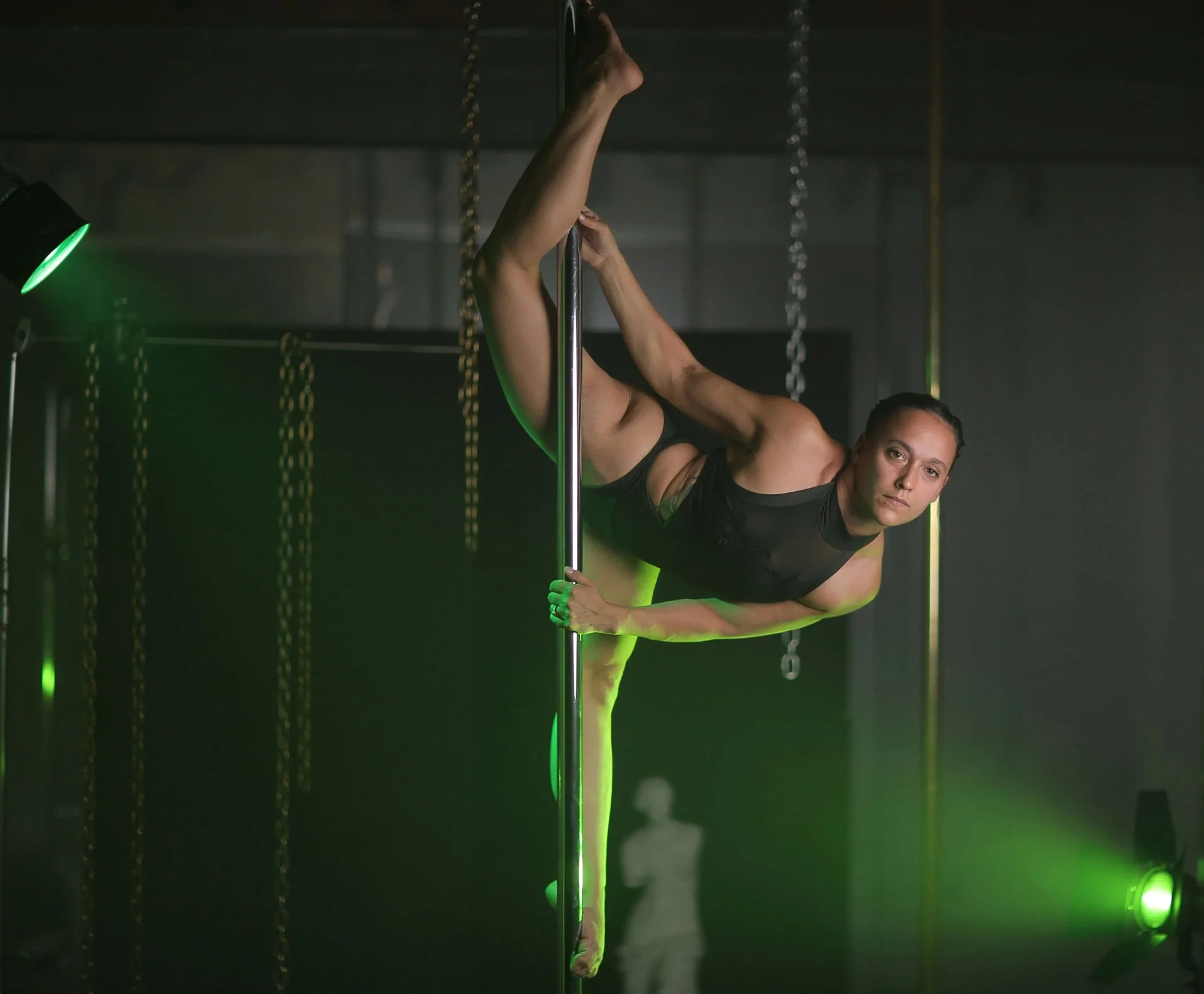
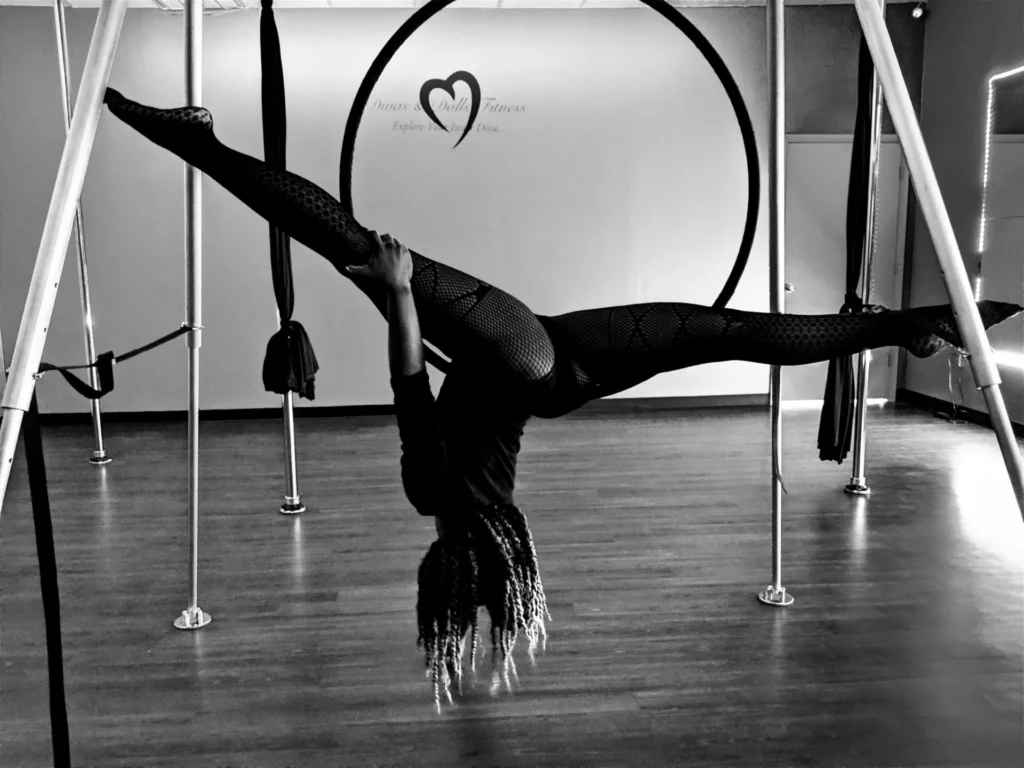
A single session works your grip strength, shoulder girdle, core stability and hip flexors and sometimes all of those all at once in ways you won’t feel until the next morning. The moves range from floor-based spins that look deceptively simple to inverted holds that require serious upper-body control. Beginners start at the lower end of that spectrum. Still, even the entry-level moves ask more of your body than most people expect walking in.
It’s also, for the record, done in a proper fitness studio with mirrors, crash mats and an instructor who has almost certainly seen every version of the awkward first-timer before you.
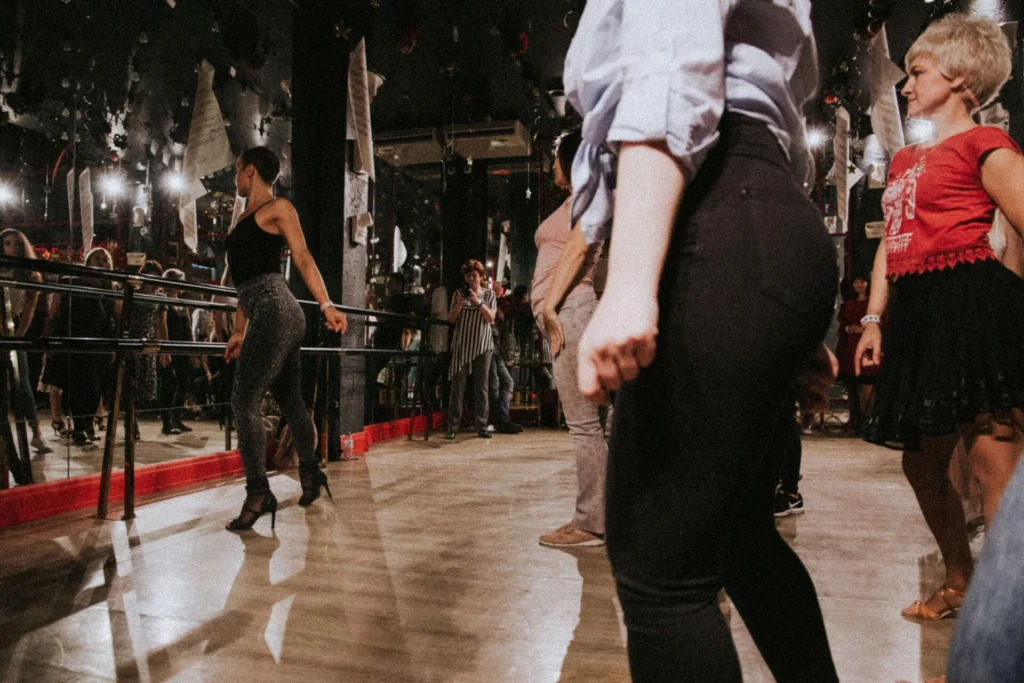
The studio was brighter than I expected. Mirrors on two walls, poles spaced a few feet apart, a small basket of grip chalk near the door. The instructor ran a warm up that felt closer to a dance class than a gym session with hip circles, shoulder rolls and a bit of light stretching. Then things got real.
The first move was a basic spin called a fireman. You grip the pole above your head with both hands, push off with one foot and let your legs wrap around as you rotate. In theory, simple. In practice, my hands slid halfway down before my feet left the floor. The instructor adjusted my grip and I tried again. The second attempt actually spun, briefly and slightly to the side, but it counted.
By the 40-minute mark, I had a pink welt developing on the inside of my left forearm, which is apparently standard issue for new students and I had managed three passable repetitions of the same basic move without sliding. The rest of the class had moved on to a slightly more advanced variation. I stayed with the fireman and my ego survived.
What I didn’t expect was how much I was sweating or how much everyone was laughing. The atmosphere in the room had nothing in common with the silent, competitive energy I typically feel in a gym class. Someone fell off the pole completely and the whole room cheered her on to get back up and try again rather than ignoring her completely or giggling at her expense.
Pole fitness is genuinely hard on the upper body. The grip alone taxes the forearm flexors and the muscles around the wrist in ways that most conventional workouts never isolate. Sustained holds and spins recruit the latissmus dorsi, rear deltoids and rotator cuff simultaneously. In fact, one study found that mixing up your workout protocols leads to better strength and a lower risk of injuries. Core engagement is constant and not because you’re being reminded to engage, but because if you don’t, you’re going to fall.
Research has started to catch up with what pole athletes already know. One study developed a sport-specific strength assessment protocol for pole fitness athletes, measuring muscle demands at positions unique to the discipline, including shoulder abduction and hip abduction and found the testing reliable enough for clinical use.
If you’re already working on building upper body strength, pole fitness layers in mobility and spatial awareness that traditional lifting doesn’t touch.
Your grip will fail before your legs do. This surprises me. Most people assume the legs are the weak link, but the hands give out first. Grip chalk helps, but so does not white-knuckling the pole between reps. Relax your hands when you’re not actively moving.
You will bruise. The inner forearms and the backs of the knees are common spots. They fade within a week and stop happening as your skin toughens. Most studios will tell you this up front, but some don’t.
The community is genuinely supportive. This wasn’t something I expected to include in a fitness reflection, but it’s too relevant to leave out. The group dynamic in pole classes has a different texture to it. People spot each other, celebrate small wins and nobody is performing for anyone else. If you’ve bounced off gym culture before, it’s worth noting.
You don’t need to be strong going in. The classes are desgined to build the strength progressively. What you do need is a willingness to look ridiculous for a few weeks while your body figures out what it’s being asked to do.
If you want a workout that builds real upper body strength without ever setting foot near a barbell, pole fitness is worth a serious look. It’s particularly well-suited to anyone who responds well to skill-based learning. The progress is visible and measurable in a way that a treadmill never quite delivers.
If you have an existing shoulder injury, check with a physiotherapist first. The demands on the rotator cuff are significant enough that it’s not the right entry point for everyone. For everyone else, book a beginner class, bring grip chalk and give it at least two sessions before you decide anything. The first one is mostly just surviving.
Pole dancing doesn’t care about your fitness level, your coordination or how many times you slide down the pole before something clicks. It asks for curiosity and a decent pain threshold for forearm bruises. What it gives back is a surprising workout, a skill you can see yourself improving at and a room full of people cheering you on anyway. Sometimes that’s exactly the kind of exercise you didn’t know you needed.
Your email address will only be used to send you our newsletter, and at any time you may unsubscribe. For more information, see our Privacy Policy.
