


Body + Mind is reader-supported. We may earn an affiliate commission when you buy through some of the links on our site.
It seems like there’s a new skin care device popping up on social media every other day. Some that are currently gaining interest are at-home microcurrent devices. Touted for their ability to lift, tone and firm sagging skin, they have quickly become a favorite among beauty enthusiasts.
Some people even go so far as to call it a “non-invasive facelift.” If you’re wondering whether the hype is justified and whether they’re worth your money, here’s everything you need to know about these microcurrent facial toning devices.
Microcurrent is a very low-level electrical current that mimics your body’s own natural signals to stimulate the skin and facial muscles. The technology has been around for a long time in medical settings and was once used to help stimulate muscles in people with conditions like Bell’s Palsy. Somewhere along the way, it made its way into the cosmetic industry and became a go-to facial for sculpted cheekbones and lifted jawlines among celebrities.
When used as a facial, microcurrent treatments gently activate facial muscles. This helps your skin look firmer and could relieve some pain. The stimulation may also boost blood flow, supporting healthier skin cells and improving plumpness and glow. Moreover, some research suggests microcurrent may support wound healing and tissue repair. At-home microcurrent devices promise similar benefits, letting you do facial toning from the comfort of your own bathroom.

The short answer is “Yes, but with realistic expectations.” At-home facial toning devices are generally less powerful than professional treatments, but research shows they can still provide noticeable benefits with consistent use. One 2024 study found that participants who used a microcurrent facial device five days a week for 12 weeks experienced improvements in skin tone, radiance and the appearance of wrinkles.
Similar to professional treatments, at-home microcurrent devices may also improve circulation and help address physical symptoms of sluggish lymphatic fluid, such as puffiness and dry skin. That’s why many people notice a plumper and fresher-looking complexion after use. Since they are easier to use than ever and work well across a wide range of skin types, they might be worth the investment.
That said, it’s essential to keep your expectations in check. Instead of using it as a replacement for in-clinic treatments like ultrasound or Botox, it’s better to use it as a supportive tool. Many professionals recommend these devices as a way to maintain results between appointments or as a quick pick-me-up before a big event.
You also need to be consistent if you want to get the most out of your at-home microcurrent devices. Try to use it three to five times a week for the first couple of months, then switch to maintenance sessions a few times per week. For the best results, don’t forget your basic skin care routine, like sunscreen during the day. You also still need to maintain a healthy lifestyle, such as eating a nutritious diet, sleeping seven to nine hours each night and staying hydrated.

If you’re thinking about adding a microcurrent device to your at-home skin care routine, make sure you choose one with FDA clearance and adjustable intensity settings. The following are user-friendly devices worth checking out.
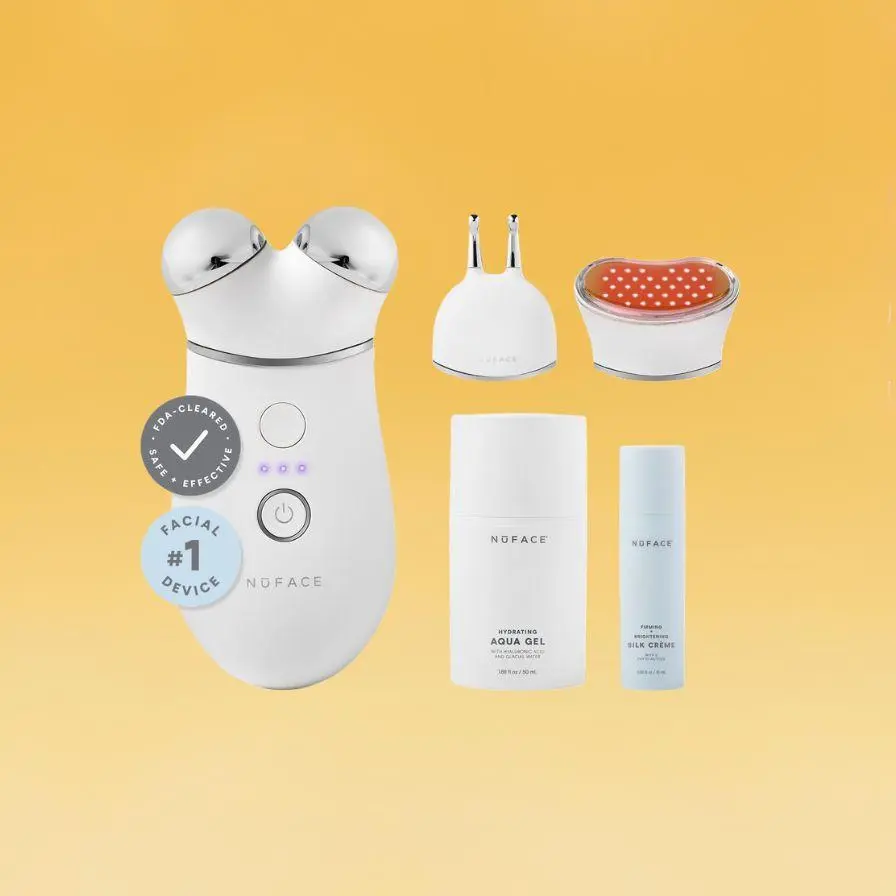
NuFace claims that this product can provide an instantly lifted, sculpted look. Looking at its popularity, it seems to deliver on that promise. The package comes with Ionplex — a glacial water-based activator that preps your skin — and hyaluronic acid to lock in moisture. It’s an investment, but it’s a solid product.
You’ll love the helpful app tutorials, audible beeps to track timing and the charging stand. There are also add-ons, including a red LED wrinkle reducer and a lip-and-eye attachment for targeted sculpting.
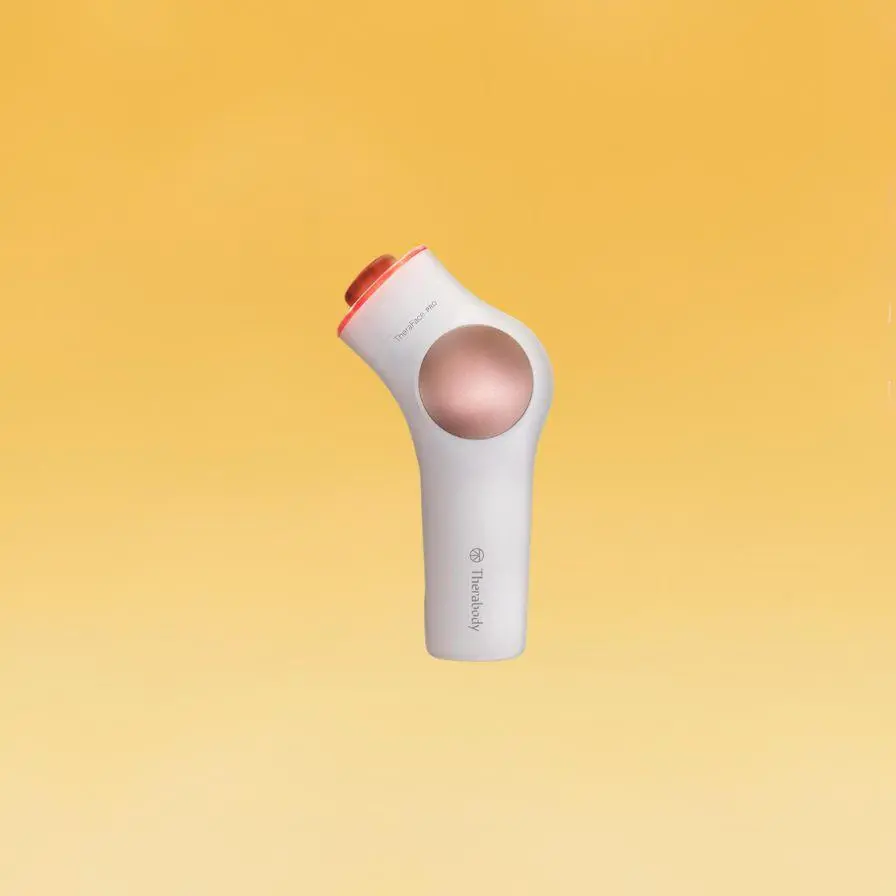
The TheraFace PRO is an eight-in-one multitasker that lets you swap out heads for LED light therapy, percussive massage, heat, cold and microcurrent. Normally, when a device tries to do everything, it ends up doing nothing in particular. Surprisingly, this one holds its own, including in the microcurrent department. It’s compact and easy to use, thanks to the Therabody app that features guided routines.

FOREO has been dominating the at-home skin care device space for years, and its Bear 2 is definitely an excellent choice for beginners. It uses four types of microcurrent — advanced, lifting, tapping and sculpting — and is designed to target up to 69 facial and neck muscles.
It’s also small enough to travel with and only takes about two minutes a day. Plus, you can access professional-style routines from home through the FOREO app.
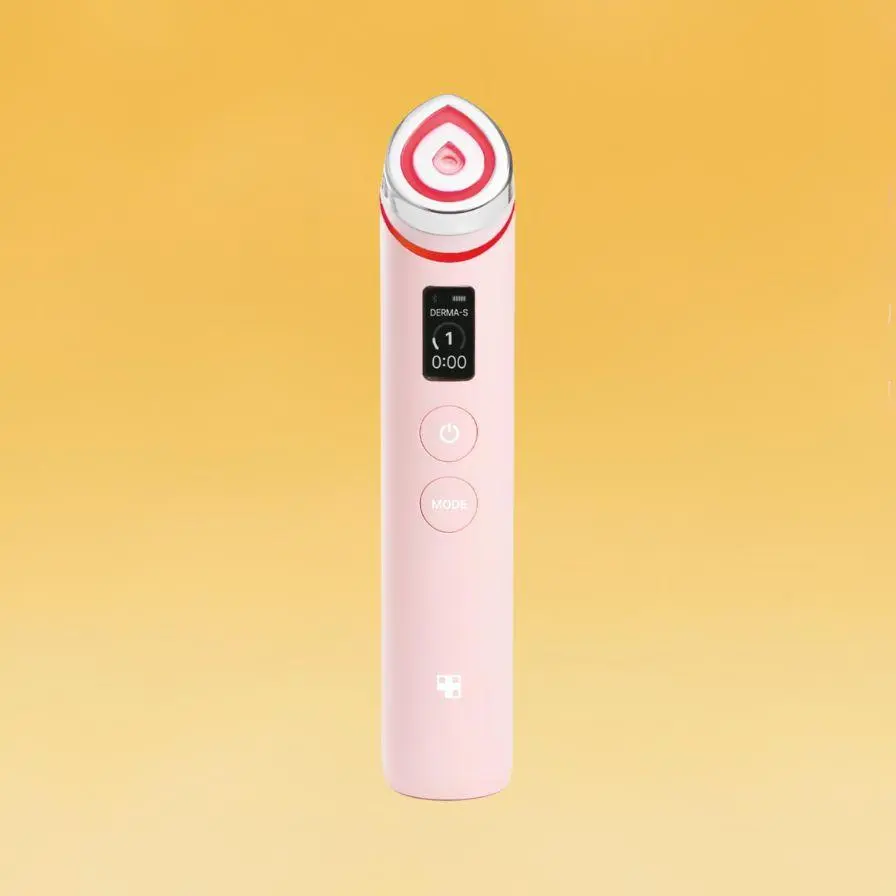
Although it’s slim, lightweight and easy on your wrist, the Medicube Booster Pro provides a strong current that really gets the muscle moving. It comes in four precision modes to help you achieve your skin goal, including plumping, radiance boosting, pore refining and defining targeted areas. You can pair it with the AGE-R App to get tutorials, adjust the LED colors and vibrations, and track your progress.
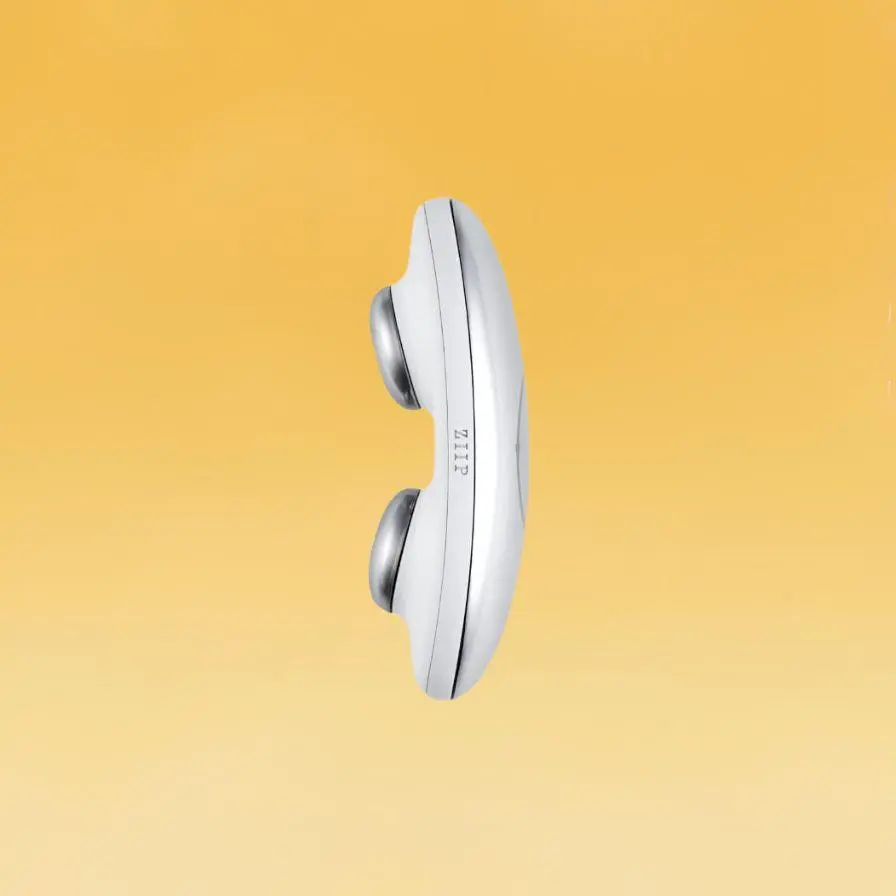
The ZIIP Halo is a favorite among A-listers for a quick, pre-event sculpting. It combines microcurrent and nanocurrent through dual waveform technology, with 26 different waveforms to target multiple layers of the skin. Although it’s oddly shaped like a computer mouse, this microcurrent device is actually very compact and easy to glide.
Microcurrent facial toning devices can firm, de-puff and subtly sculpt your skin. They’re great for maintenance and quick pick-me-ups, but not a replacement for professional treatments.
Here are some frequently asked questions about at-home microcurrent devices.
Yes, but to a degree. It stimulates facial muscles, which can create a lifted and toned appearance with consistent use. However, they’re best for mild sagging.
Most dermatologists agree that at-home microcurrent facial toning devices are beneficial for mild improvements, particularly for maintenance and early signs of aging.
Results like a temporary lift or reduced puffiness can appear within a few days. Depending on the device and your routine, you may need several weeks to see the full benefits.
Start with clean, dry skin and use a conductive gel so the device glides easily and delivers the current efficiently. Most devices recommend three to five times per week, with each session lasting up to five minutes, but check your’s instructions for optimal results.
Avoid using your microcurrent devices directly over your eyelids, the center of your neck, where the thyroid gland is located and any irritated skin. These include rashes, open wounds, infections or severe acne.
Microcurrent facial toning devices are generally safe when used correctly. You might notice tingling or mild redness during use, but it shouldn’t be painful.
Found this helpful? Share it on Facebook or X, or send it to a friend who’s eyeing a microcurrent device but doesn’t know where to start!

Your email address will only be used to send you our newsletter, and at any time you may unsubscribe. For more information, see our Privacy Policy.
