

Body + Mind is reader-supported. We may earn an affiliate commission when you buy through some of the links on our site.
I used to think movement only counted if I broke a sweat or checked off a workout on my fitness tracker. A slow walk around the neighborhood or a few minutes of stretching between meetings felt like taking the easy way out. Then I started paying attention instead of simply going through the motions. I noticed my breathing, the way my feet met the ground and how much calmer I felt afterward.
That’s the heart of mindful movement. It is about bringing your full attention to the way your body moves. Whether you’re walking, stretching, dancing or practicing yoga, that simple shift in awareness can strengthen your mind-body connection and help you find a little more joy in each step.

Mindful movement is the practice of paying attention to your body as it moves, without judging your performance or rushing toward a goal. Rather than exercising on autopilot, you stay present with each breath, stretch or step. Your focus shifts from calories burned or miles logged to how your body feels in the moment.
That doesn’t mean each session has to happen in complete silence or without structure. Mindful movement can happen during yoga, strength training, swimming or a neighborhood walk. The activity matters far less than the awareness you bring to it.
Most of the day, you are in your head, with planning, worrying and mentally checking off the next task dominating your efforts. Practicing mindfulness during movement creates an opportunity to reconnect with your body and open space for feelings and thoughts you may have neglected. Paying attention to the present moment with openness and curiosity helps develop greater awareness in everyday life.

Your brain and body constantly communicate, even if you rarely notice that conversation. Every step, stretch and shift in posture sends information back to your brain about balance, muscle tension, breathing and your surroundings. When you intentionally pay attention to those signals, that communication becomes stronger.
Recent neuroscience research suggests that the mind-body connection is more than a philosophical idea. The body’s awareness plays an important role in emotional regulation, attention and overall well-being. Stroke survivors often benefit from intentional physical activities to stimulate neuron recovery.
A mindful walk often feels different from walking while scrolling through your phone. Avoid replaying yesterday’s conversation or worrying about tomorrow’s schedule, as your attention returns to physical sensations happening right now. That’s because the movement and cognitive centers overlap, so stimulating one can help alleviate pressure on the other.
You notice the rhythm of your breathing, the swing of your arms or the breeze against your skin. That shift gently interrupts the rumination cycle that keeps your mind racing. Strengthening this awareness can help you recognize tension earlier, respond more thoughtfully to stress and feel more connected to your physical self.

It’s easy to think of movement only in terms of fitness, but mindful flow reaches much further. Physical improvements often happen alongside meaningful mental and emotional changes because you’re training your attention as much as your muscles.
Studies have linked mindful movement with improvements in cognitive function and executive reasoning, which may explain why taking a slow walk can help you find solutions. According to the Mindfulness Association, moving intentionally, such as during yoga or walking, can boost physical health by lowering blood pressure and alleviating symptoms of diabetes and cancer. The physical act of moving also changes neurochemistry, reducing cortisol and resulting stress levels to moderate anxiety responses.
You may notice benefits such as:
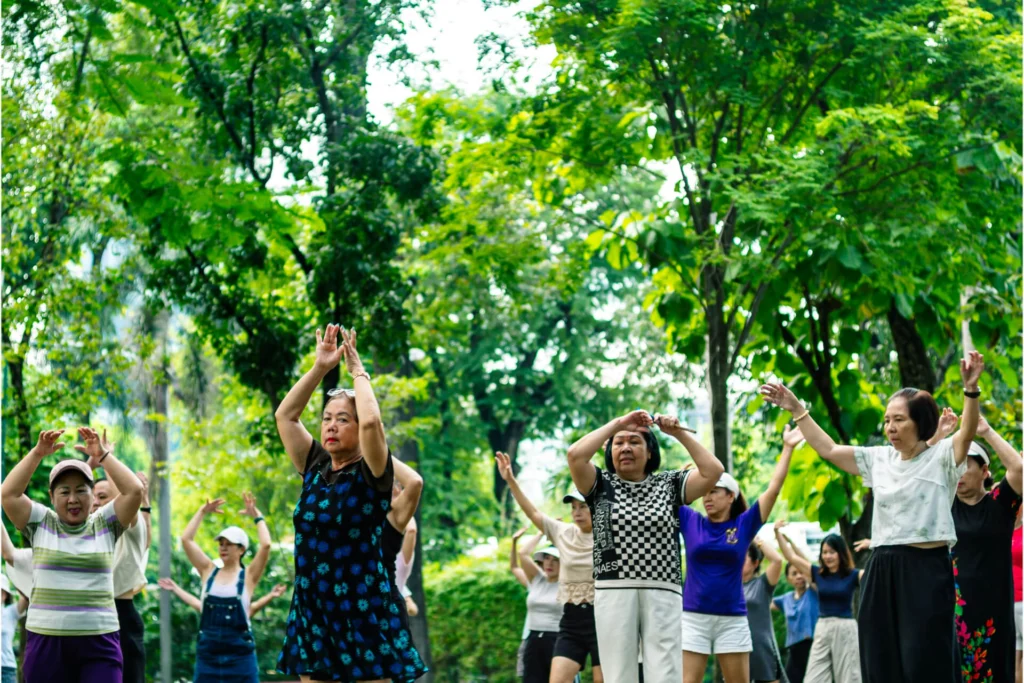
You don’t need special equipment or a gym membership to get started, and you can have any fitness level. You can practice it almost anywhere by slowing down and paying closer attention to what your body is doing.
Walking is one of the easiest places to begin. Stop rushing from point A to B, and notice how your feet meet the ground, how your arms swing and how your breathing changes as your pace alters. If your mind wanders — and it will — gently bring your attention back to your next step.
The same approach works during everyday activities. Simply focus on each moment, rather than trying to do it perfectly. Even household chores can become opportunities to practice awareness. Gardening, vacuuming or carrying groceries all involve coordinated movement that happens without much thought. Slowing down helps you reconnect with your body instead of rushing through a task.
If you’re new to the idea, walking is the best place to start. It’s not about change, but rather about noticing the experience.
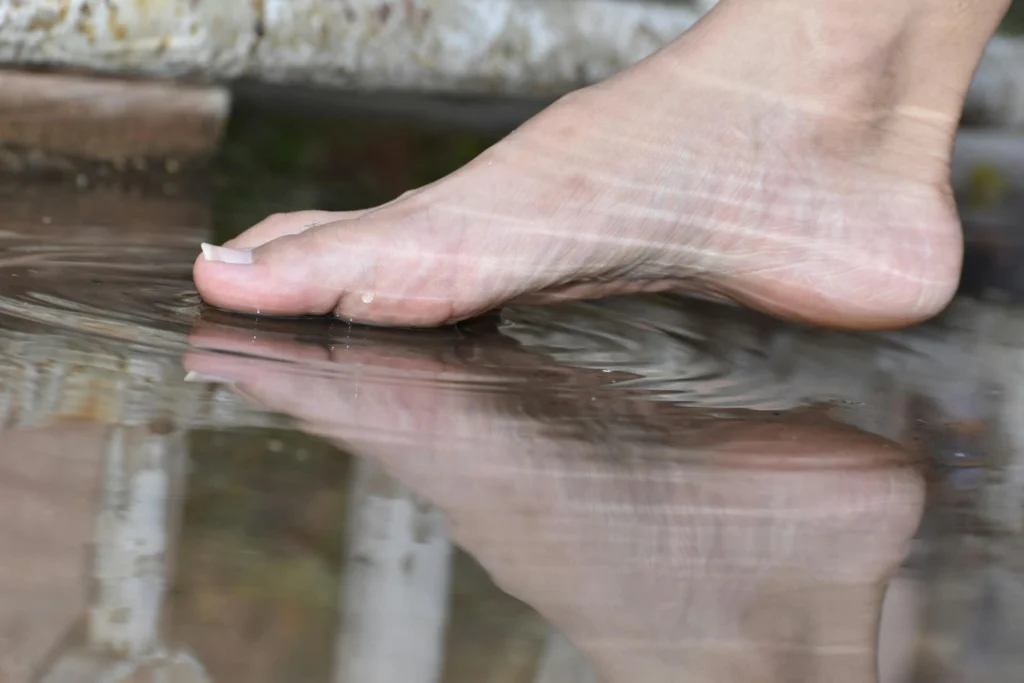
Start by kicking off your shoes so you can feel your soles making contact with the carpet, grass or floor. Begin walking at a slow pace. Notice how your heel makes contact first. Then your foot rolls forward, dropping the ball of your sole onto the surface. The toes gently drape forward, softening onto the ground. Repeat this with the other foot.
You may inhale slowly, gently bringing the pace down more so you can feel each movement. There’s a momentary hesitation as your first foot prepares to peel off the ground when you’re ready to step forward.
Feel the pressure increase on your toes and the front of your foot sole, the heel lightens and lifts, and you feel your foot begin lifting like someone is peeling a sticker off a hot surface. The bottom of your foot stretches as your toes flex, finally peeling off the ground and gliding through the air in gentle suspension.
Even one or two minutes of slow walking like this can leave you feeling calmer than if you were mentally rehearsing your to-do list. Apply the same principle to the idea of your arms swinging during the step or of your hands molding around things they hold.

Your breathing naturally reflects what’s going on in your mind. If you feel tense, you may breathe shallowly, which causes your body’s muscles to contract. Slowing your breathing also deepens each breath, easing you out of “go” mode.
Simply notice your natural rhythm first. Then try to match your inhalations and exhalations to your movement. During stretches or steps, inhale as you lengthen muscles and exhale while moving downward, such as when stepping.
If your mind wanders, use each breath to draw it back to what your body is doing and how it moves, releasing tension and stress with mindful presence. Breathing reinforces movement, and each step prepares you for your next inhalation.
Life rarely slows down on its own, but mindful movement creates small opportunities to pause within the busyness. Rather than asking your body to keep up with your mind, you give both a chance to work together again. Over time, those small moments of awareness can make you feel more grounded, resilient and connected to yourself.
I’ve found that some of the most meaningful moments aren’t the hardest workout or the longest walks. They’re the ones where I actually notice I’m there. And that’s something you can practice anywhere, one breath and one step at a time.
Your email address will only be used to send you our newsletter, and at any time you may unsubscribe. For more information, see our Privacy Policy.
