

Body + Mind is reader-supported. We may earn an affiliate commission when you buy through some of the links on our site.
You may have noticed that your skin looks neither distinctly pink nor golden. Maybe your foundation looks too orange, or your complexion looks a bit green or gray. Then, you may have an olive skin tone. Perhaps you’ve also noticed that both gold and silver jewelry look good on you. This is because your skin tone differs from your undertone. If you’re not sure whether you have a live skin tone or not, here’s a simple guide to find out.
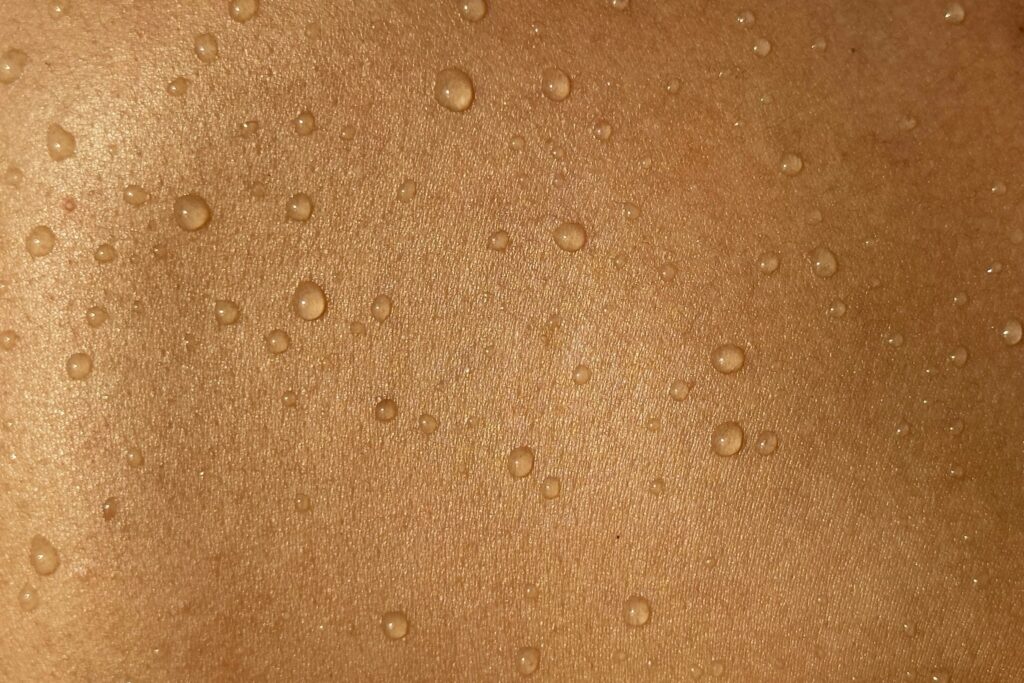
An olive complexion often has a subtle green, yellow-green or muted appearance that can be hard to identify at first glance. Unlike a clearly warm complexion, which tends to look golden or peachy, olive skin can look slightly gray, ashen or greenish depending on the lighting.
An ashen or gray appearance can be a clue to an olive tone, which is less common than the traditional warm, cool and neutral categories. That does not mean your skin literally looks green. Think of olive as a balancing effect. You may have some warmth without looking strongly yellow, or some neutrality without appearing completely beige. Your surface skin tone can also change with sun exposure, seasonal changes and tanning, while your underlying undertone tends to remain relatively consistent.
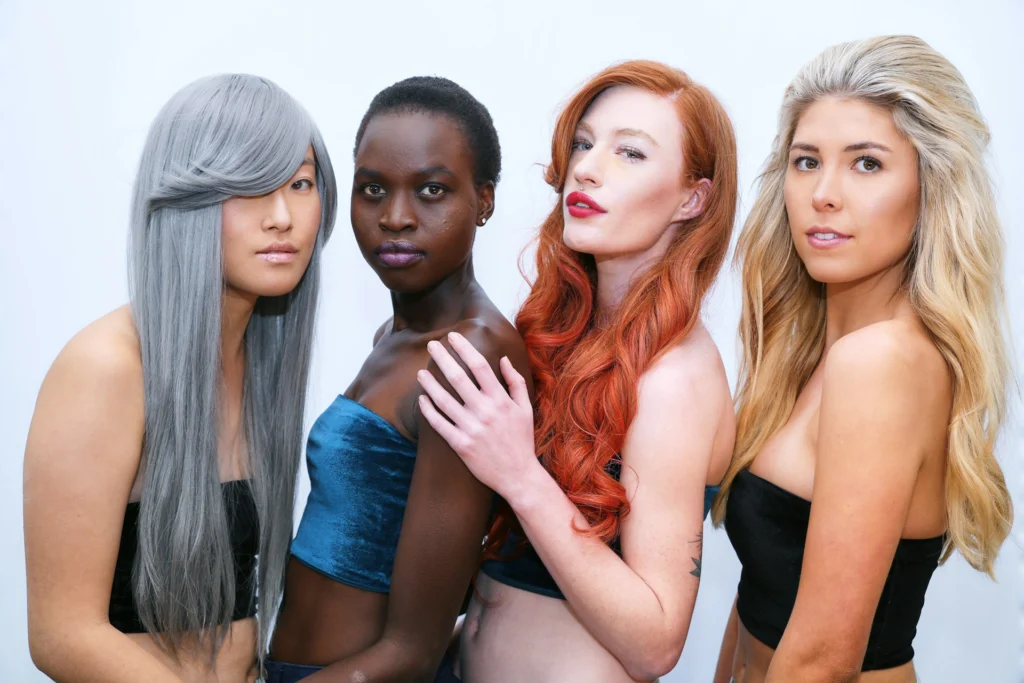
The terms can sound interchangeable, but there is a useful distinction. Your olive skin tone generally describes the overall appearance of your complexion, while olive undertones refer to the subtle colors beneath the surface that influence how makeup, clothing and jewelry look against your skin.
You may also encounter the phrase olive overtones. This is not a standardized term in medical dermatology, so you should be cautious about treating it as a formal skin classification. People sometimes use “overtone” to describe the visible surface color of their skin, particularly when it changes with tanning or pigmentation. For practical purposes, you want to tfocus more on your surface skin tone and undertone rather than trying to fit yourself into a rigid category.
One of the easiest ways to find out your undertone is to step away from artificial lighting. Stand near a window during daylight and look at your face, neck and jawline without foundation or tinted skincare.
Avoid judging your complexion immediately after exercising or when your face is unusually flushed. Now compare your skin with a plain white or neutral-colored shirt. If your skin looks noticeably pink or rosy against white, you may lean into the cool spectrum. If it looks distinctly golden or yellow, you may lean warm. And, if it looks balanced but slightly green, muted or gray, olive could be a possibility.
The classic vein test involves looking at the veins on the inside of your wrist or forearm. If they appear blue or purple, you may lean cool. Green-looking veins can suggest warm undertones, while veins that seem difficult to categorize can point toward neutral coloring.
For olive skin, however, this test can be especially confusing because a greenish appearance may result from the interplay between your veins and the natural pigment in your skin, rather than indicating a straightforward warm undertone. Veins are also harder to see clearly in deeper skin tones, so don’t rule out olive skin simply because this test doesn’t work for you.
Jewelry can provide another useful clue. Hold a piece of yellow gold and a piece of silver next to your face in natural light. If gold makes your complexion appear more vibrant, you may have warm or olive undertones. If silver looks more harmonious, you may lean cool. What if both look great? That can happen with neutral and olive coloring.
People with olive undertones may suit traditional yellow gold, while those with neutral undertones can often wear both gold and silver comfortably. The important part is to compare the effect on your face rather than deciding which metal you personally prefer.Your favorite jewelry does not determine your undertone. You’re looking for which metal makes your complexion appear clearer, more even and naturally balanced.
Your makeup drawer may already be giving you clues. Your foundation is a good indicator because it should match your shade perfectly, as it’s meant to cover your entire face. If foundations labeled warm or golden consistently look too yellow or orange on your face, yet cool or pink shades make you look oddly rosy, you may have an olive undertone. Another classic clue is when a foundation appears like the right depth in the bottle but looks noticeably different once applied.
Undertone mismatch can make a foundation appear too orange, too pink or simply off even when the shade seems close. Since formulas vary by brand, testing a few shades along your jawline is more reliable than choosing solely by a shade name.
Your wardrobe can become another experiment. Try earthy shades such as muted greens, olive, brown, camel and certain golds. If they make your complexion look especially harmonious, that may support the idea that you have olive undertones. You may also find that some traditionally warm shades make you look more yellow than glowing.
Don’t assume you have to follow a strict “olive color palette,” though. Your personal coloring is more nuanced than a chart. Undertone guidance can help with color selection, but personal preference should remain important when deciding what you wear.
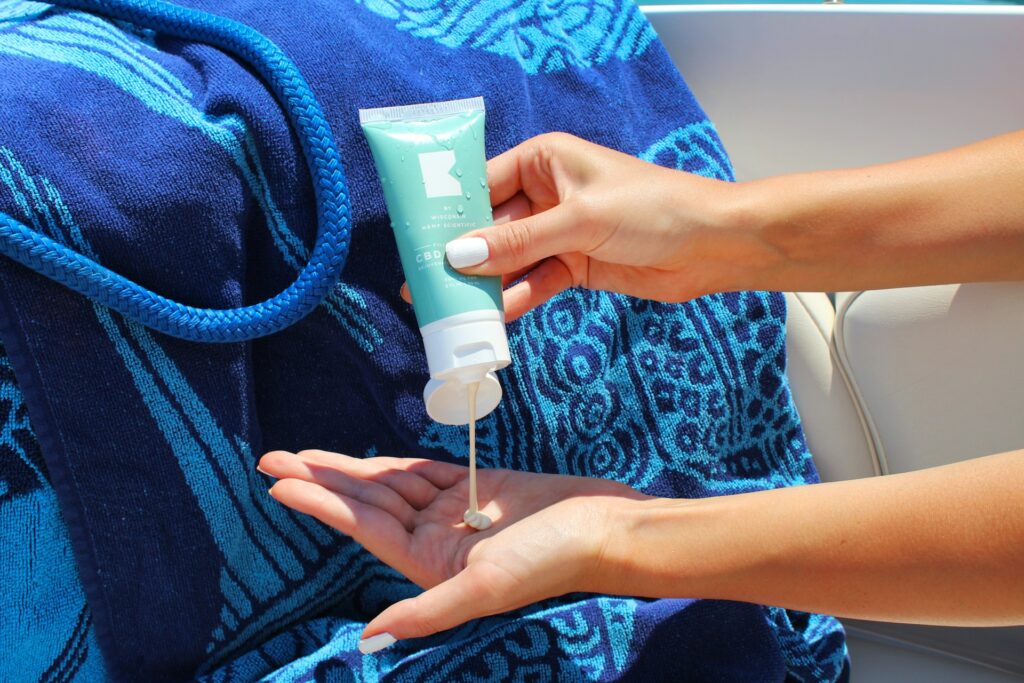
Melanin may provide some protection against ultraviolet radiation, but it does not make your skin immune to sun damage. The American Academy of Dermatology advises everyone to use sunscreen and recommends broad-spectrum, water-resistant sunscreen with SPF 30 or higher for people of all skin tones.
There is another reason sun protection matters if you are prone to pigmentation. Visible light can contribute to skin darkening, so consider a tinted sunscreen containing iron oxide for additional protection against visible light. This can be particularly useful if you experience dark spots or melasma.
The best way to determine whether you have an olive skin tone is to look for a pattern. Check your complexion in natural light, compare gold and silver jewelry, examine your veins if they are visible and pay attention to how different foundation undertones behave on your jawline.
If several clues point in the same direction, you may have olive undertones. If they contradict each other, that’s completely normal. Undertones exist on a spectrum, and not everyone fits neatly into warm, cool, neutral or olive categories. Even professional color matching can require some experimentation because different cosmetic brands formulate their shades differently.
Figuring out whether you have an olive skin tone can make choosing makeup, clothing and accessories much easier. Look for the combination of a slightly muted or greenish cast, mixed warm and neutral characteristics and colors that seem to work across traditional undertone categories. Most importantly, don’t let a skin-tone label dictate what you can or cannot wear. Your olive complexion is simply one part of your natural coloring. Use it as a helpful starting point, experiment in natural light and choose the shades that make you feel confident.

Your email address will only be used to send you our newsletter, and at any time you may unsubscribe. For more information, see our Privacy Policy.
