
Body + Mind is reader-supported. We may earn an affiliate commission when you buy through some of the links on our site.
I remember feeling great after a workout, but as soon as I got home and checked my socials, the news was all about wildfires, extreme storms, power outages and other unexpected disruptions. After encountering the same scenario multiple times, I started wondering if we’ve been defining self-care too narrowly. What if being well is also about being ready when an ordinary day suddenly isn’t ordinary anymore?
That shift has changed the way I think about wellness. It can be a strong body in times of emergency, a bag with a backup power bank and gyms as emergency shelters.
Wildfires and hurricanes can knock out power and extreme weather can transform an ordinary Tuesday into a day when the most important question isn’t whether you’ve hit your fitness goals, but whether you have somewhere safe to go. Maybe preparedness for these events can be a form of self-care and protection.
In that sense, self-care can mean knowing your evacuation route. It can mean keeping a flashlight where you can find it in the dark. It can mean having enough water, essential medications and basic supplies to get through an unexpected disruption. And increasingly, it can mean thinking about the places in your community that are designed not only to help you get stronger, but to help you stay safe.
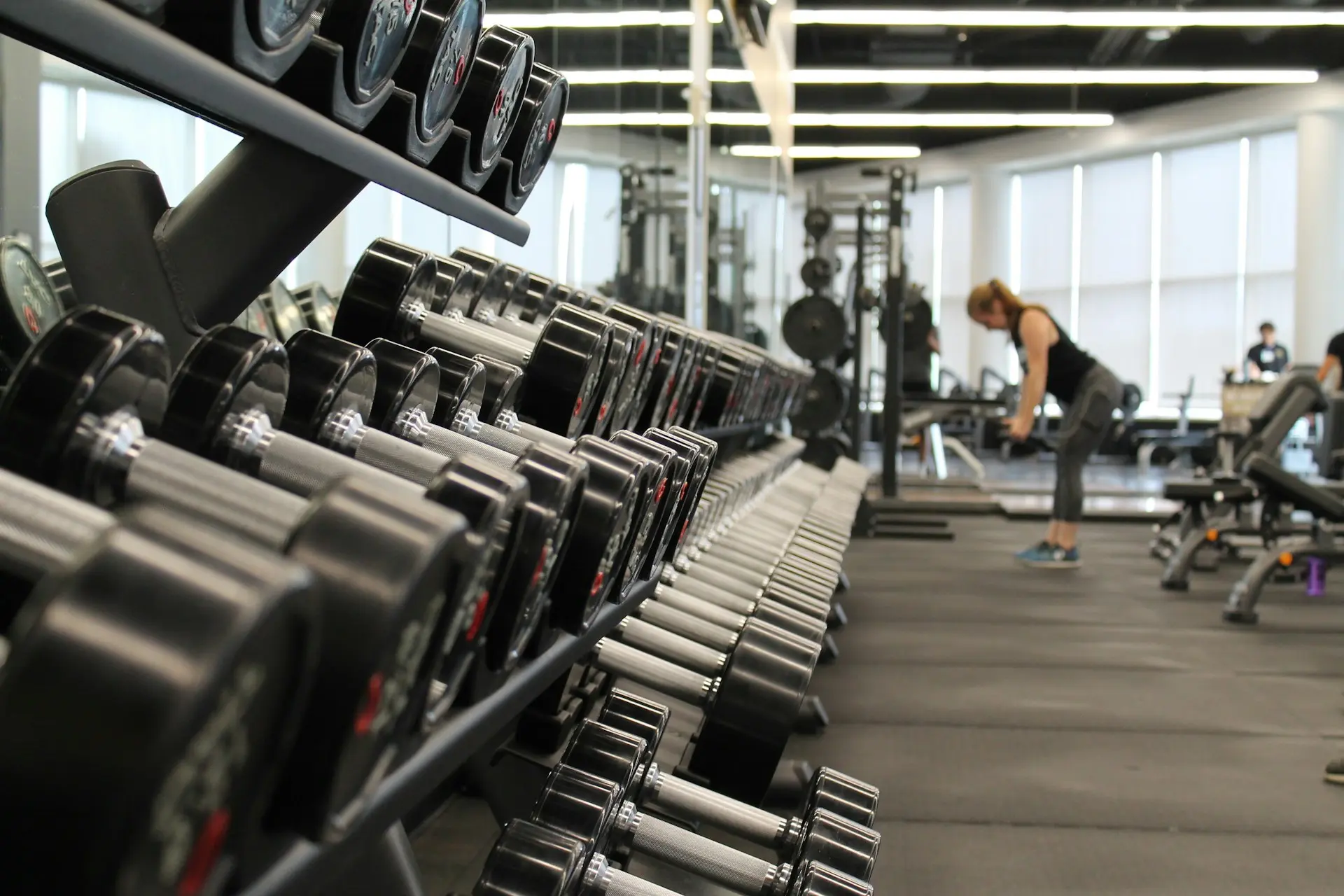
The modern fitness center provides access to bathrooms, showers, electricity, Wi-Fi, staff and other resources that can become surprisingly valuable during an emergency. That makes gyms a great option for emergency shelters.
During a natural disaster or extended power outage, a fitness facility may have the infrastructure to support people when their homes become uncomfortable or unsafe. A large, accessible building can provide a place to cool down, charge devices, access showers, gather information, or simply be around other people. They can formally function as emergency shelters when designated by local authorities and emergency organizations.
Preparing for an emergency can feel like an invitation to worry. After all, making a disaster kit requires us to imagine things we’d rather not happen. However, there is an important difference between obsessing over everything that could go wrong and calmly preparing for the things we can reasonably anticipate. Preparedness can be a profound form of self-care rather than just ignoring the world’s current circumstances.
When you have a plan, uncertainty becomes a little less shapeless. Instead of feeling overwhelmed and anxious, you can turn those emotions into actions:
None of these actions guarantees that everything will go smoothly. However, each one turns an abstract fear into something concrete.
Some of the most valuable part of disaster preparation happen between people. These questions turn preparedness into community building:
Knowing that you have people you can call and that you are someone others can call can make uncertainty feel considerably less isolating.
Mental readiness is only one part of preparedness. The other is having a body capable of doing what circumstances may require. That’s where the idea of survival fitness becomes useful.
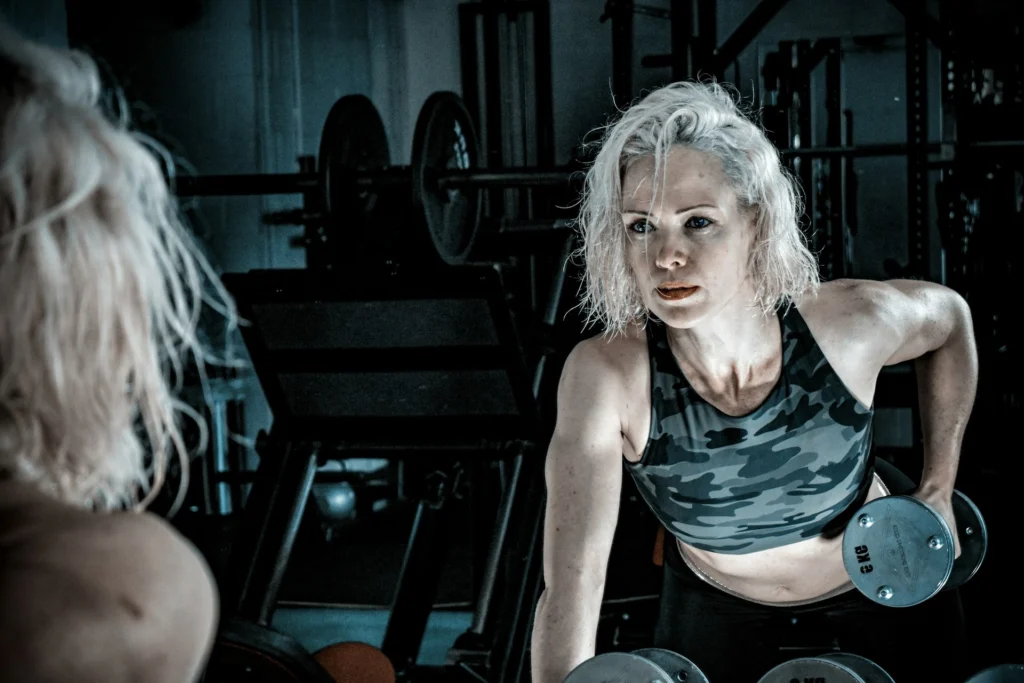
Emergencies don’t always happen at a convenient pace. Sometimes you may need to move quickly, step over an obstacle, climb, jump, push, pull, or change direction. Training explosive strength teaches your muscles to produce force rapidly rather than only generating strength during slow, controlled movements.
Plyometric exercises are one way to introduce this kind of training for disaster preparedness. Depending on your fitness level, that might include movements such as squat jumps, low box jumps, skater hops, or medicine-ball throws. The key is quality rather than quantity. Explosive movements should be performed with good technique, adequate recovery and an appropriate progression for your current fitness level.
The biggest mistake you can make in disaster-preparedness fitness is turning it into another overwhelming obligation. You don’t need to spend two hours in the gym every day. Instead, look for small opportunities to practice useful movements, also known as exercise snacking.
For example, do a few body weight squats while you’re waiting for the kettle to boil. Carry your groceries instead of treating the walk from the car as an inconvenience. Take the stairs when appropriate. These small bursts of activity can add up.
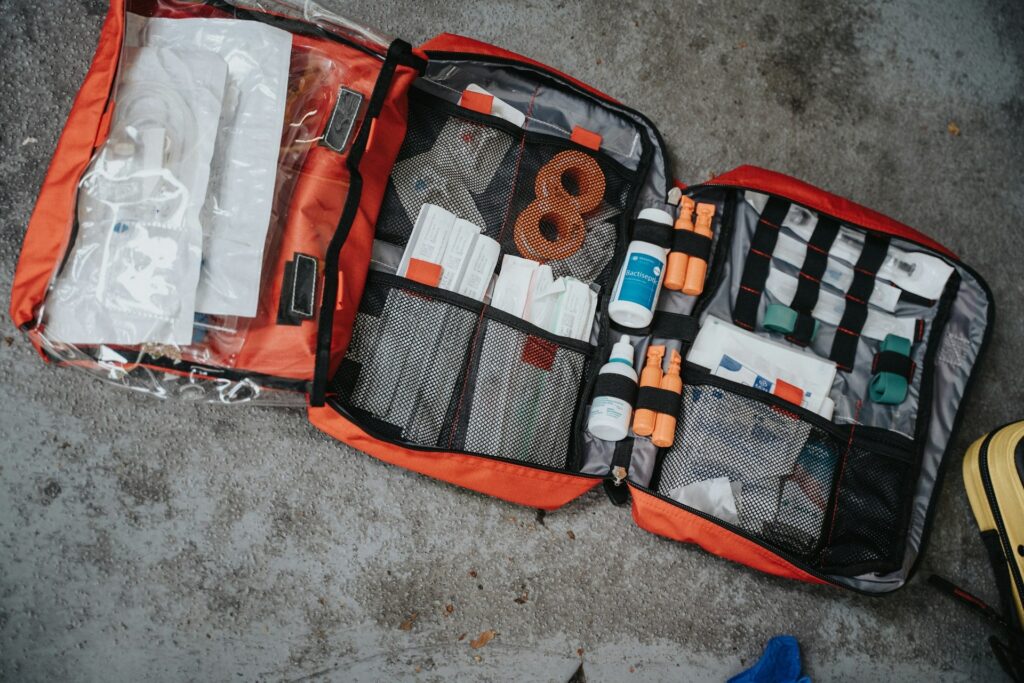
A traditional emergency kit focuses on survival essentials. A wellness-oriented kit takes that idea one step further by considering what will help you stay physically and emotionally functional during a stressful disruption.
Start with the basics of disaster preparedness:
Then consider the wellness additions that are easy to overlook:
Focus on making your kit help ease a difficult situation.
Self-care doesn’t always look like a spa day. I’m starting to think that the most meaningful version of wellness is about being prepared and building a life in which you’re better equipped to handle emergencies. Sometimes it looks like charging the flashlight or training your body to carry you farther. Sometimes it looks like knowing who you can call.
Your email address will only be used to send you our newsletter, and at any time you may unsubscribe. For more information, see our Privacy Policy.
