


Body + Mind is reader-supported. We may earn an affiliate commission when you buy through some of the links on our site.
You’re probably familiar with the feeling. Monday starts with too little sleep, Tuesday isn’t much better and by Friday, you’re counting down to the moment you can finally sleep in. Then Saturday arrives, and suddenly your alarm doesn’t stand a chance. Those extra hours can feel like a refund from your bed, but can you really make up for lost sleep? Here’s everything you need to know about sleep debt, what it does to your body and how you can pay it off.
Sleep debt is the gap between how much sleep you need and how much you actually get. Most adults 18 and older need around seven to eight hours of sleep a day, so regularly coming up short can leave you with a growing deficit. If you lose three hours of sleep each night, for example, you’re 21 hours behind after a week. Even losing 20 or 40 minutes here and there can add up when it becomes a habit.
About 33.2% of adults report getting fewer than seven hours of sleep, so having sleep debt is hardly unusual. Your reasons for falling short may be as simple as a packed work schedule or too much late-night scrolling. Caffeine and alcohol can affect sleep quality, too. Medical issues such as insomnia and sleep apnea can also make it harder to get enough restorative sleep.
The tricky part is that sleep debt can build quietly. You may not notice much after one late night, but several short nights can leave you running on an increasingly empty tank.

Your sleep is regulated by several processes, including adenosine and your circadian rhythm. Adenosine builds up in your brain the longer you’re awake, increasing your sleep pressure and making you feel ready for bed. Sleep helps clear some of that buildup and resets the process. When you repeatedly cut your sleep short, you don’t get the same chance to reset, so your sleep pressure can remain high.
Your circadian rhythm works more like your body’s internal clock. Light, temperature and your daily routine help keep it on schedule. Regularly staying up late, sleeping at very different times or trying to catch up with huge weekend lie-ins can disrupt that rhythm, making it harder to fall asleep or wake up when you want.
Without enough sleep, you’ll feel drowsy and tired throughout the day. Plus, it can affect a wide range of things, including:
The frustrating part is that you may not always feel exhausted. Your body can adapt to chronic sleep restriction while your mental and physical performance continues to decline. A 2024 study also found that long-term sleep loss was more harmful than short-term sleep deprivation.
You can recover from lost sleep, but your body doesn’t necessarily accept a weekend lie-in as payment in full. If you’ve had one unusually short night, getting extra sleep afterward can help you feel and function better. It gets more complicated when you’ve been sleeping too little for weeks or months.
Research on chronic sleep restriction shows that recovery isn’t always as quick as you might expect. In one study, people spent five nights with only four hours of sleep opportunity each night before being given a recovery night with up to 10 hours in bed. Some measures of alertness and cognitive performance improved as recovery sleep increased, but participants still hadn’t fully returned to their baseline or matched the control group after that 10-hour recovery opportunity.
You may also feel recovered before your brain has completely caught up. Reviews suggest that subjective sleepiness can improve after a few days of adequate sleep, while some cognitive effects may linger. The more sleep debt you’ve accumulated, the harder recovery can become.
That doesn’t mean you should skip the Saturday sleep-in. Extra sleep can be useful after an occasional late night. Just don’t treat it as a weekly get-out-of-sleep-free card. Your best bet is to get enough sleep consistently so your debt doesn’t keep piling up.
If you’ve built up some sleep debt, your best move is to give your body more opportunities to sleep while getting your schedule back on track. How much recovery you need depends on how much sleep you’ve missed and how long you’ve been running short.
Start by adding 30 to 60 minutes to your usual nightly sleep until you’re consistently getting the amount you need. If nighttime sleep is difficult to extend, a short afternoon nap can temporarily improve alertness and reduce stress. Keep it under 30 minutes so you don’t wake up feeling like you’ve been dragged out of hibernation.
You don’t have to feel guilty about sleeping longer when you have the chance, either. Research has linked weekend catch-up sleep with a lower risk of heart disease, particularly among people who regularly sleep too little during the week. Still, extra sleep shouldn’t become your only recovery strategy. If insomnia, sleep apnea or restless legs keep interfering with your sleep, talk with a healthcare professional about treating the underlying problem.
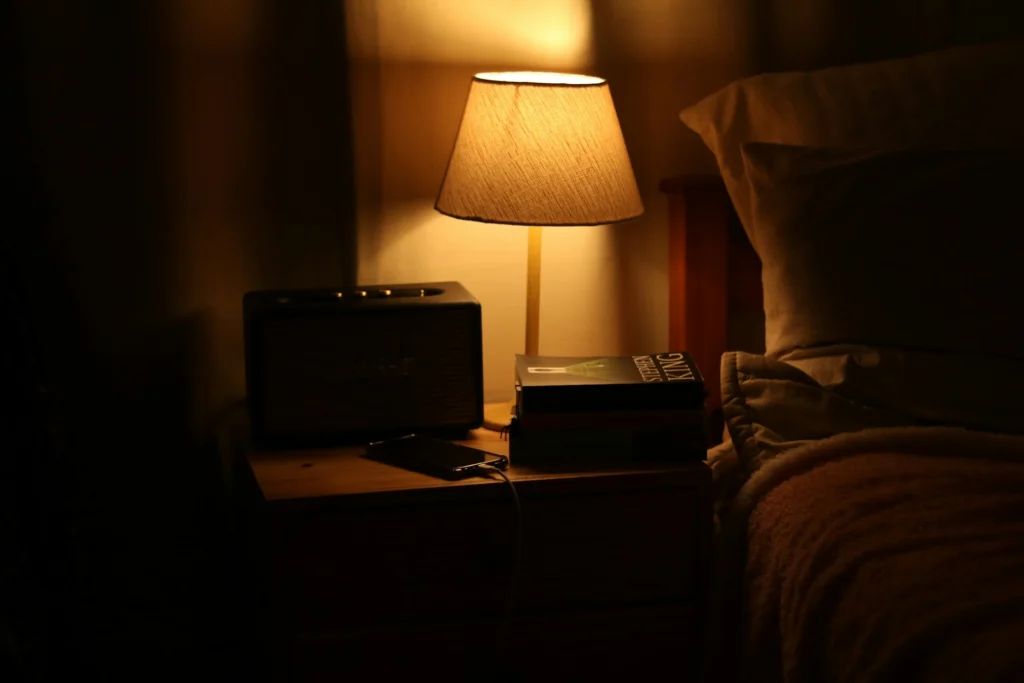
Catching up is useful when you need it, but you’ll have a much easier time if you stop your sleep debt from piling up in the first place. A few realistic habits can help you keep your body clock and bedtime routine on speaking terms.
Going to bed at 10 p.m. one night and 2 a.m. the next can leave your internal clock wondering what on earth is happening. Try to keep your bedtime and wake time within the same 60-minute window each day, and aim for at least seven hours of sleep five nights a week.
You can’t always go from answering emails or scrolling through your phone to peacefully sleeping in 30 seconds. Give yourself some transition time. Gentle stretching or meditation can help you relax, while writing down tomorrow’s tasks can clear some of the mental clutter competing for space in your head.
Screen use can delay sleep by exposing you to blue light and keeping your brain engaged. A study found that using screens in bed was associated with insomnia symptoms and shorter sleep. Try putting your phone aside for around an hour or two before bedtime.
Keep your bedroom cool, dark and comfortable, and deal with noise that might wake you. You can also give your evening meals some breathing room. A lighter meal two to three hours before bed may be easier on your sleep than a heavy late-night feast. Limiting caffeine and alcohol in the evening can help, too.
You can recover from lost sleep, but you can’t keep running on empty and expect a weekend lie-in to fix everything. Give yourself enough time to sleep each night, keep your schedule steady and deal with anything that keeps disrupting your rest. Your body has a lot to do while you’re asleep, so make sure you give it the hours to get the job done.

Your email address will only be used to send you our newsletter, and at any time you may unsubscribe. For more information, see our Privacy Policy.
