

Body + Mind is reader-supported. We may earn an affiliate commission when you buy through some of the links on our site.
Your lower back is screaming after leg day. Your uterus feels like it is staging a small rebellion. Either way, you have probably reached for a heating pad and wondered if it was doing anything besides feeling nice. It turns out that warmth is doing real work under your skin and physical therapists reach for it just as often as their patients do.
Here is what heat is actually doing for your pain and which pads pros recommend when the ache will not quit.
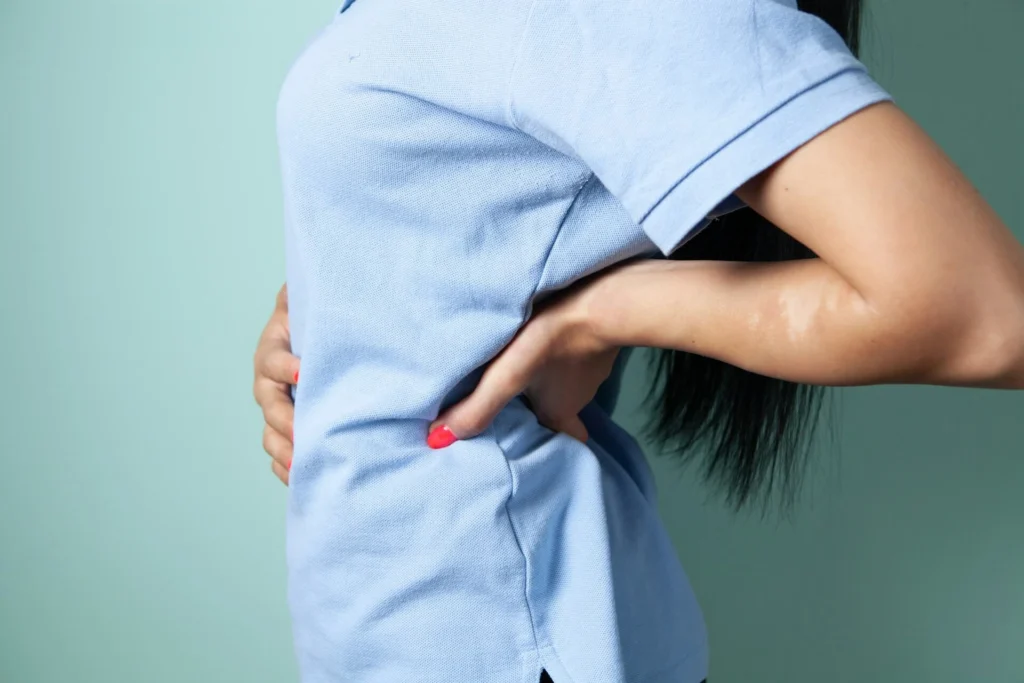
Heat works by widening your blood vessels and drawing more oxygen-rich blood into tight or cramping muscle tissue, a process called vasodilation that eases pain and swelling. Period pain matters a lot since dysmenorrhea affects an estimated 50 to 90% of menstruating people, according to the American College of Obstetricians and Gynecologists. Uterine contractions triggered by prostaglandins temporarily reduce blood flow to the uterus and heat helps reverse that process by relaxing the muscle.
The same logic applies after a hard workout. A 2022 network meta-analysis found that a hot pack was the most effective single intervention for pain relief within 24 to 48 hours of exercise-induced muscle soreness. Cold has its place, too, but heat tends to win when the goal is to loosen tissue rather than numb it.
Bodymind’s guide on easing period pain fast recommends using a heating pad set between 104 and 107 degrees Fahrenheit, then checking in on your symptoms after about an hour. That range is warm enough to relax tissue without risking a burn.
Heat is not the right call for every ache, though. It works best on ongoing stiffness and cramping, while ice is generally the better option in the first hours after an acute injury like a sprain. Beyond cramps and sore muscles, plenty of people also reach for a heating pad to ease tension headaches, arthritis flare-ups and everyday stress since warmth has a calming effect on the nervous system too.
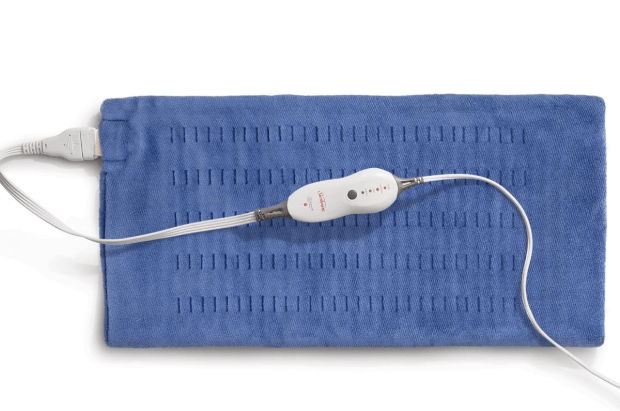
Physical therapists interviewed by CNN Underscored consistently pointed to full-size electric pads with multiple heat settings for general aches. The Sunbeam Premium King Size Heating Pad covers the back, shoulders and abdomen and lets you dial in a lower setting for sensitive areas or crank it higher for stubborn back tension. Get it on Amazon.
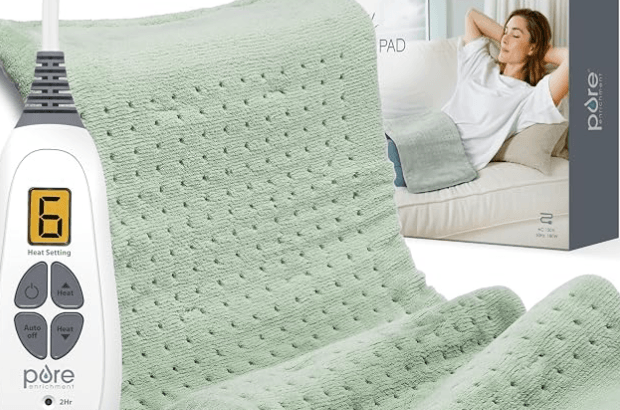
The PureRelief Electric Heating Pad’s shape and six heat levels make it easy to wrap around your midsection and hold in place while you curl up on the couch. An automatic shut-off feature also means you will not overheat if you drift off during that first achy day of your cycle. Get it on Amazon.
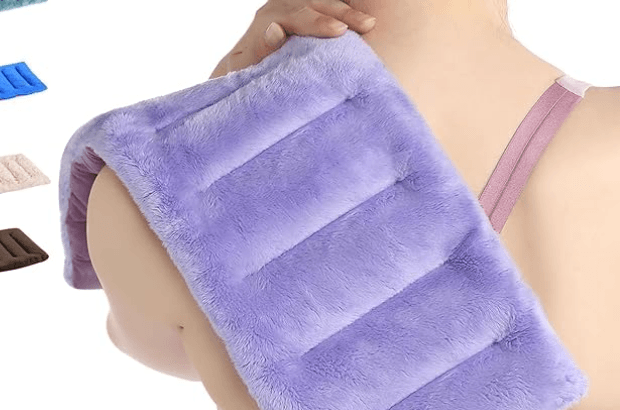
If you would rather skip cords entirely, the SuzziPad Microwavable Heating Pad heats in the microwave and holds its warmth longer than most competitors editors tested. It works well for smaller areas like a stiff neck or a sore shoulder after a long day at a desk. Get it on Amazon.
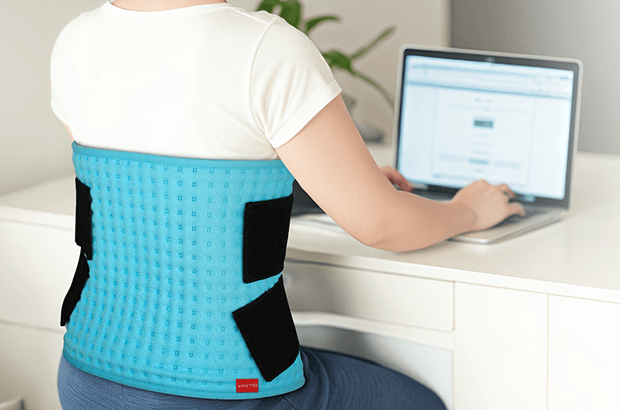
If a heating pad also needs to look cute and travel with you, the Comfytemp Wearable Heating Pad has become a fixture in TikTok’s viral pain-relief corner thanks to its strap-on design. It straps around your waist with adjustable elastic bands and runs cordless off a rechargeable battery, so you get portable heat you can wear through a full shift instead of one that pins you to the couch. Get it on Amazon.
Once you know your main use case, a few features separate a good pad from a great one.
Heat therapy is low-risk, but a few habits help keep it that way. Give your skin breaks rather than leaving a pad on for hours at a stretch, and never fall asleep with an electric pad still plugged in.
Products earn a spot on this list when they combine adjustable heat, safety features like auto shut-off and consistent praise from physical therapists and independent testers. Pads that lacked temperature control or reliable safety mechanisms were left off, even when they were popular sellers.

A few more details tend to come up once you have narrowed down your pick.
Heat tends to work best for ongoing stiffness and cramping, while ice is more useful in the first hours after an acute injury like a sprain.
Most experts suggest capping sessions at 15 to 30 minutes, with breaks in between, to avoid skin irritation or burns.
Yes. Many people also use them for tension headaches, arthritis flare-ups and general stress relief since warmth has a calming effect on the nervous system too.
Whether you are managing a monthly wave of cramps or recovering from a brutal workout, a good heating pad is one of the simplest tools you can keep on hand. Pick one that matches how and where you actually hurt and you will reach for it a lot more than you expect.
Your email address will only be used to send you our newsletter, and at any time you may unsubscribe. For more information, see our Privacy Policy.
