


Body + Mind is reader-supported. We may earn an affiliate commission when you buy through some of the links on our site.
The world of fragrances can be overwhelming, especially with so many products and brands available and a seemingly complex fragrance layering chart. Many beauty lovers want to find the perfect perfume to define their presence and style. However, the ultimate goal is to create your signature scent by combining multiple scented products to form a rich, complex and deeply personal aroma — one that is entirely yours.
Discover the simple rules of layering fragrances and how you can get creative with it so you can layer fragrances with confidence.
Successful layering is all about understanding foundational scents known as fragrance families. Think of a fragrance layering chart as like the color wheel. One group has the same core component that guides how it interacts and creates harmony with other scents.
The four fragrance families are as follows:
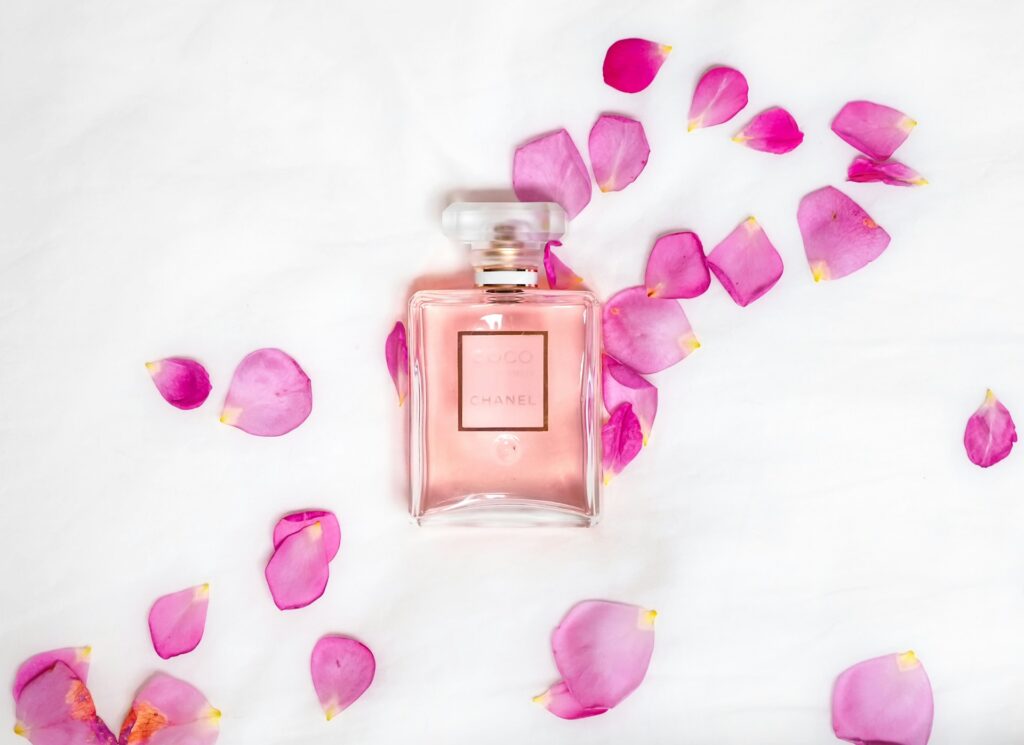
Fragrance goes beyond choosing one product over another. Building a layer of scents helps make your signature scent feel complex, deep and lasting from morning until night. Here is a detailed explanation of the role of each scented product in an ideal layering routine.
Products such as scented body wash, shower gel, bath soap and bath bomb make for a great base layer in creating a cohesive scent story. It lightly perfumes the skin with a clean and subtle scent. Make sure your bath products aren’t too strong and complement your main perfume well. Make sure to use these products with warm water. The steam helps open the pores, allowing the fragrance to infuse the skin.
After showering, apply either scented body lotion, body cream or body butter. This is the most important step if you want to create a lasting scent. Hydrated skin can hold scent for much longer than dry skin.
Make sure to apply your hydrating products while your skin is still slightly damp to lock in moisture and fragrance. Pay special attention to your pulse points, especially those where you’ll apply your perfume later.
A scented body oil is a powerful booster for your perfume. They create a layer onto which your perfume can adhere closely, making a subtle and radiant scent aura. Essential oils like lavender can even help reduce acne and promote relaxation.
You can either use body oil in place of lotion or apply it on top of lotion. This is the step for those who want a deep and opulent scent profile, perfect for special occasions.
The main scents should either be Eau de Parfum, Eau de Toilette or Parfum. These products will have a complex structure and provide powerful projection known as sillage. To maximize its use, spritz your perfume onto your pulse points from a few inches away from your skin. Avoid rubbing your wrists together so you don’t crush the delicate top-note molecules and disrupt the scent’s development.
Here is a more detailed step-by-step guide to layering your scents.
The most important factor in extending the duration of your signature scent is applying it to well-moisturized skin. Since perfume molecules are oils, they bind to natural oils on the skin. Hence, applying lotions, oils and creams after showering is essential. Besides creating a hydrated canvas, the scent of these products complements your perfume.
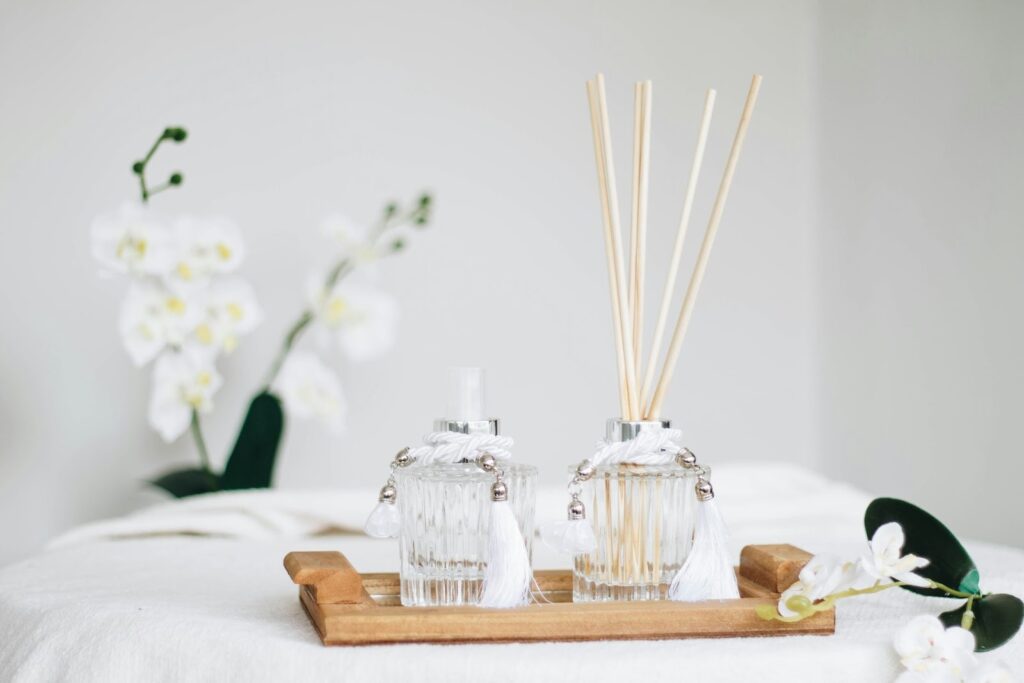
Make sure you apply fragrances with the heaviest molecules first. These scents are typically from Woody and Amber families. This is because lighter and more volatile scents of Fresh and Floral families evaporate quickly. Applying them last ensures that they are not overpowered by heavier scents.
Instead of applying fragrances in the same spot, create a dynamic scent aura. Apply different fragrances to different pulse points in your body. For example, heavier base scents work well on warmer and lower points on the body, like the wrists or the backs of the knees. Lighter top-note scents do especially well on pulse points on the neck and shoulders, as well as in the hair.
Every perfume interacts differently with each person, based on their pH, diet and body temperature. As such, a combination that works for someone might not work for your skin. Before submitting a full application, test on a small area first, such as the back of your hand or your inner arm. Wait for an hour to experience how the pair dry down and ensure you enjoy the final result.
It’s easier to combine fragrances when you know which scent families they fall under. One of the most classic pairings is a floral and woody combination. The femininity of floral is perfectly balanced and provided depth by a woody base. Fresh and Amber notes pair well, creating a vibrant gourmand effect. For example, the zesty brightness of Citrus cuts through the rich sweetness of Vanilla, preventing the scent from becoming too sweet.
Woody and Fresh are an unexpected but evocative pair. A cedarwood base, topped with a light, sea-salt-infused spray, can create a complex scent that embodies the feeling of a forest meeting the coastline.
You don’t have to memorize an entire fragrance layering chart. Simply understanding a scent’s base family can help you pair it with other scents. At the end of the day, finding your signature scent is a journey of self-discovery. Enjoy the process by experimenting and playing with the fragrances. Take a closer look at your current collection, from your body showers and lotions to your perfumes. You might create unique and fascinating combinations you haven’t thought of before.

Your email address will only be used to send you our newsletter, and at any time you may unsubscribe. For more information, see our Privacy Policy.
