


Body + Mind is reader-supported. We may earn an affiliate commission when you buy through some of the links on our site.
Not a pimple and not a rash — those small, irritated bumps on your skin are a common yet uncomfortable occurrence that many people experience after shaving, waxing or tweezing. Ingrown hairs, while typically harmless, can be a major stressor and pain point. This guide breaks down the root causes, how to heal the affected area and how to prevent more from cropping up in the future.
Ingrown hairs occur when a hair regrows, typically after shaving or waxing. The hair curls back into the skin rather than emerging, causing an under-the-skin growth. Many people see a visible red bump on their skin, sometimes accompanied by pus and irritation or itchiness.
Those who shave their beard regularly may experience ingrown hairs on their face and chin, while those who shave their legs, armpits or bikini lines are more likely to develop them in those areas. However, it is possible to have ingrowns anywhere that hair grows, including your scalp, back and even nostrils.
Though ingrown hairs are normal and common, there are some factors that may make you more prone to seeing them often:
While ingrown hairs are likely to heal on their own, the following steps can help you treat the irritated areas and free the hair from the skin.
You can dampen a towel with warm — not hot — water and place it on the affected area to relieve pain and reduce inflammation. Apply the compress to the area for a few minutes. You can do this multiple times a day until the area is less red and irritated, or proceed to the next step.
Use a gentle exfoliant to help clean the area and remove dead skin cell buildup. You can use the same warm towel compress to scrub the area, or try natural exfoliants that do not irritate your skin further. Rub in small, circular motions. The goal of exfoliating the area is to create an opening for the hair to escape.
If you see the hair emerge, you can take a sterile needle or tweezers and gently pull the hair out from under the skin. It’s very important not to pluck the hair out, as this can lead to further inflammation, irritation and more ingrown hairs. Instead, unlooping the hair gives it a chance to grow as it normally would, while the surrounding skin can heal.
Continue treating your skin to ease any lasting irritation. Reapply the warm compress, and cleanse the area to prevent further buildup. You can apply soothing treatments like aloe vera or tea tree oil diluted with coconut oil to help alleviate discomfort and promote ongoing healing.
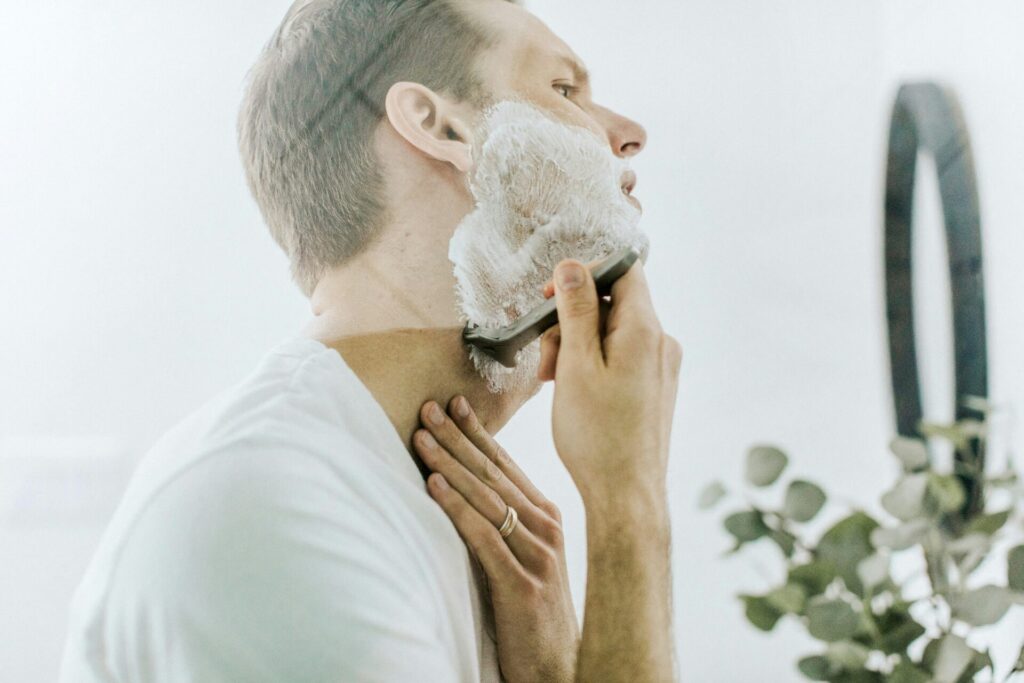
Giving yourself a break from shaving or waxing may be a great way to let your skin breathe for a bit, but if this isn’t a long-term solution for you, here are some ways you can trim the hair while keeping the ingrowns at bay.
Even though hair removal is at the core of the crime, that doesn’t mean you have to give it up entirely. If you prefer to shave, these tips can help make the process smoother:
To minimize the buildup of dead skin cells that trap hair, exfoliate your skin weekly. You can use natural, physical exfoliants like sugar scrubs or use exfoliating brushes. If you prefer a gentler, chemical exfoliant that does not disrupt the skin barrier, try pineapple juice, which contains enzymes that break down bonds, removing dead skin cells and leaving your skin smooth.
Moisturizing is a critical step, especially after exfoliating, shaving or waxing. Find a lotion that suits you and apply it regularly to avoid dry, dead and irritated skin.
Everyone’s skin is different, so finding the perfect routine may take time. Some may find that pore-cleansing products like salicylic acid and cream topicals work best for their skin, while others prefer more natural solutions like coconut oil and pineapple juice. A regular routine can help reduce unpredictable flare-ups and minimize frequency over time.
Tight clothing and elastic materials may irritate your skin, leading to ingrown hairs in unexpected areas or worsening already-inflamed areas. If possible, wear soft, breathable clothing, especially right after shaving or getting waxed.
Though ingrown hairs typically heal on their own within a few days and often do not require treatment, they can become infected and require medical attention. If at-home remedies do not work or worsen the affected area, you should consider seeking medical treatment. If you are concerned that the irritated bump is more than an ingrown hair, speak to a professional.
As common and harmless as they may be, ingrown hairs are a pain to deal with. The proper care, attention and dedication to self-care can help you beat the bumps and reclaim your skin, one follicle at a time.

Your email address will only be used to send you our newsletter, and at any time you may unsubscribe. For more information, see our Privacy Policy.
