

Body + Mind is reader-supported. We may earn an affiliate commission when you buy through some of the links on our site.
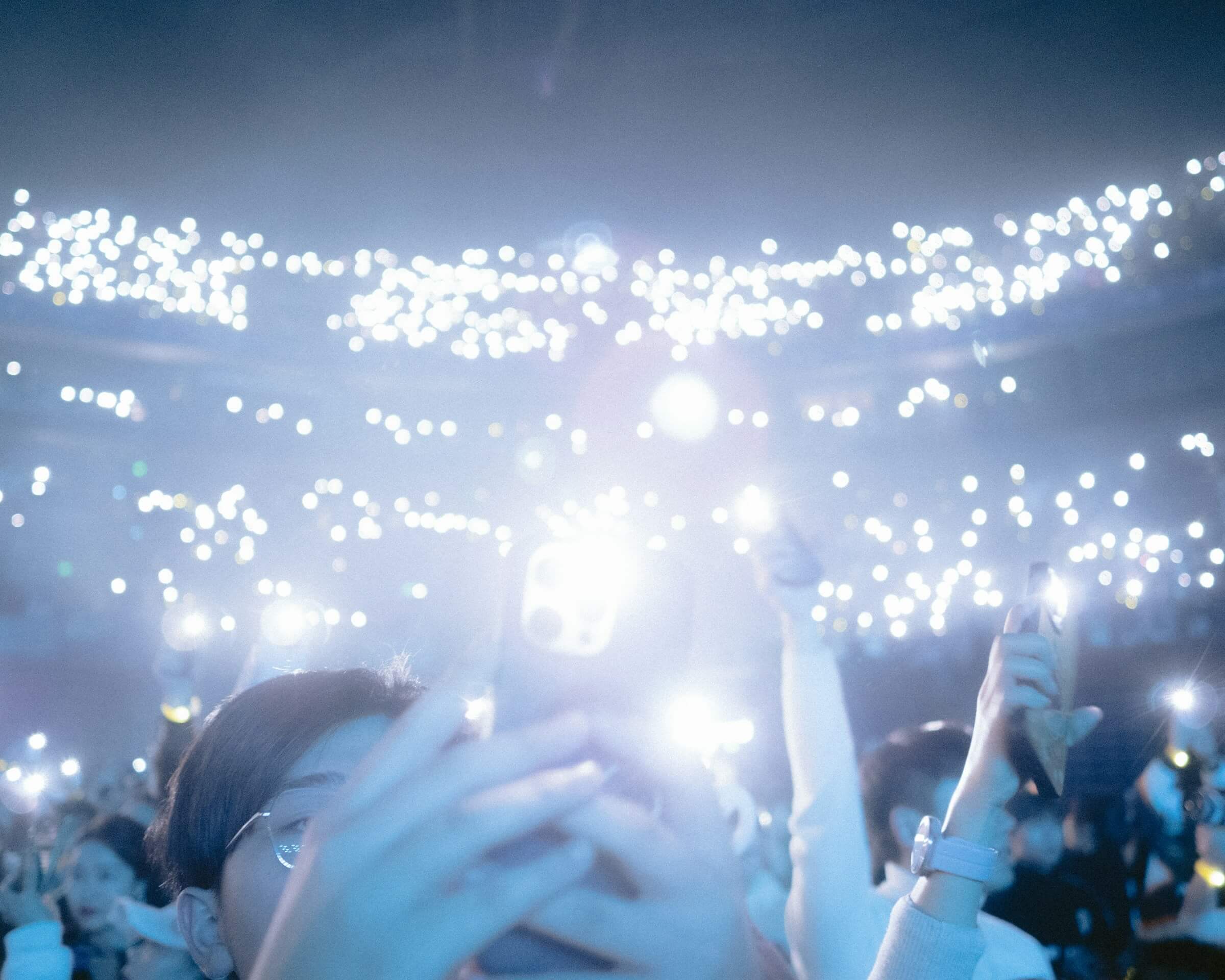
You’ve counted the days, picked your outfit, memorized the setlist and lost yourself in the music. The lights, bass and crowd — for a few hours, life felt electric and you were more alive than ever. Then it ended. You went home with ringing ears, a sore throat and a heavy heart. That hollow dip? Fans call it post-concert depression.
It’s not a medical prognosis, but it’s real. After the adrenaline fades, feeling low, restless and a little lost is normal. Like post-holiday blues, it’s the crash after a big high. The good news is that you’re not alone, and there are simple ways to cope while keeping the joy of that night alive.
Post-concert depression is the emotional slump that often follows the excitement of a live show. It isn’t a clinical condition, but fans describe it as feeling empty, sad or unmotivated in the days after the show. The energy that carried you through the crowd, the shared chants and the thrill of hearing your songs live all disappear when the lights dim.
In many ways, it mirrors post-vacation or after-holiday blues. You’ve poured weeks of anticipation into one night, and the sudden quiet can feel jarring when it’s over. Knowing it’s a common reaction can make it easier to process, and recognizing the pattern is the first step in finding healthy ways to move forward.

Americans love concerts, and 79% of concert-goers attend an event at least once yearly. Concerts are popular because they give an adrenaline kick and raise dopamine levels, making attendees feel alive. The rush is due to real brain chemistry. While you belt out your favorite songs with the performers and the crowd, you experience social bonding and reduce your stress levels, kicking cortisol production to the curb and releasing more feel-good endorphins. The physical and mental high feels all-encompassing, and you can forget about the world for those few hours.
But shows don’t go on indefinitely, and when the last song is sung and you head home, you begin to feel less exhilaration and more depression. Sadness and a lack of focus sap your motivation. People returning from vacation may experience the same sensation of their world feeling dull once they’re back.
While this let-down feeling usually comes in waves, it can become chronic and even begin to interfere with your daily life. Whether it’s the entertainment you miss or the sense of community you experienced with the crowd at the event, you feel alone and sad once you’re back in your everyday life.
For most fans, post-concert depression lingers anywhere from a few days to about a week. The exact timeline depends on factors like how meaningful the concert was, how long you anticipated it and what your life looks like once the excitement fades.
Symptoms usually peak in the first few days after the show and gradually ease as you reconnect with routines and social supports. However, some fans may experience depression weeks after the concert, especially if they lack social support at home.
Post-concert depression doesn’t have to overshadow the joy of the show. The goal isn’t to erase the sadness, but to balance it with keeping the fantastic memories alive. Coping with the after-event let-down requires planning and a few handy strategies like these.
Admit that you feel depressed and own up to your part in working on those emotions and healing from the loss of the concert that’s now over. You are not being silly — you experienced something extraordinary, but it’s over now, and you can feel sad.
Pretending as if nothing happened and that “you’re fine” is denial and won’t help you process your feelings. Instead, label your feelings appropriately and manage them healthily. Admit you are sad the concert is over, but steer clear of using catastrophic thinking like saying your life is over. Your life continues, and there will be other concerts and social experiences.
Rewatch clips, replay the setlist or scroll through photos. Turning memories into something tangible, like making a playlist or printing a photo strip, can soften the abruptness of the transition. This is why people take photos on vacation and scrapbook mementoes.
Social support matters. A 2025 study of K-pop fans after a major concert in Jakarta found that sharing memories — and engaging in daily conversations — with online fan communities helped ease post-concert blues. These groups evolved into empathetic digital families, helping members process the emotional dip together.
Carry that crowd rush forward into something creative. Paint, write, learn to play an instrument or redecorate your space with concert memorabilia. The energy doesn’t have to fade — it can evolve. Charity initiatives and volunteer work are excellent sources to bring your energy to, and these can also increase your feelings of well-being with more dopamine and oxytocin release.
Give yourself something to look forward to, whether it’s another show, a local open mic or a weekend activity with friends. Anticipation is powerful, and looking forward to an event creates as much happiness as the actual show.
Big events can leave you overstimulated — lights, noise, smells and sights overwhelm the nervous system. Returning to steady routines like sleep, exercise and mindfulness breaks helps your mind settle. Even something as simple as going for a walk while listening to the band’s quieter tracks can ease the contrast between the concert and daily life, helping you ease back into reality.
While every day can’t be a concert, you can find smaller sparks to enjoy. Try karaoke with friends, watch a livestream performance or attend a local show over the weekend. Group fitness, dance classes or community events can also mimic the shared energy of a concert while giving you something fresh to enjoy.
Most concert blues fade on their own, but if your mood stays low for more than two weeks or starts to disrupt sleep, work or relationships, it may be more than just a comedown. Talking with a therapist or counselor can provide you with more tools to manage emotions and keep things in perspective. Seeking help doesn’t erase the love for music — it ensures your mental health stays steady enough to keep enjoying it.

While it’s not a real diagnosis, post-concert depression is real and the emotional slump after an event is widely recognized. The brain chemicals released during live music drop sharply afterward, creating a noticeable low.
Not everyone feels this, but it’s common. Some people feel energized after shows, while others struggle with emptiness or sadness. Your reaction often depends on how meaningful the concert was and your personality.
While it’s not always avoidable, you can soften the crash by preparing ahead of time. Plan some enjoyable distractions for the next day, like brunch with friends or take some time to rest, so you’re not thrown straight back into the grind of life.
The magic of a concert doesn’t have to end when the last note fades. The sadness that follows is simply a sign that you really enjoyed the music. Instead of fighting it, let it remind you of your capacity for joy, connection and wonder.
Post-concert depression is temporary, but the memories you carry are lasting. Hold on to the moments that made you feel alive, stay grounded in your routines and give yourself new things to look forward to. The stage lights may dim, but the music — and how it makes you feel — can keep glowing in your daily life.
What concerts meant the most to you and did you experience post-show blues? Share your experiences on our social channels.

Your email address will only be used to send you our newsletter, and at any time you may unsubscribe. For more information, see our Privacy Policy.
