

Body + Mind is reader-supported. We may earn an affiliate commission when you buy through some of the links on our site.
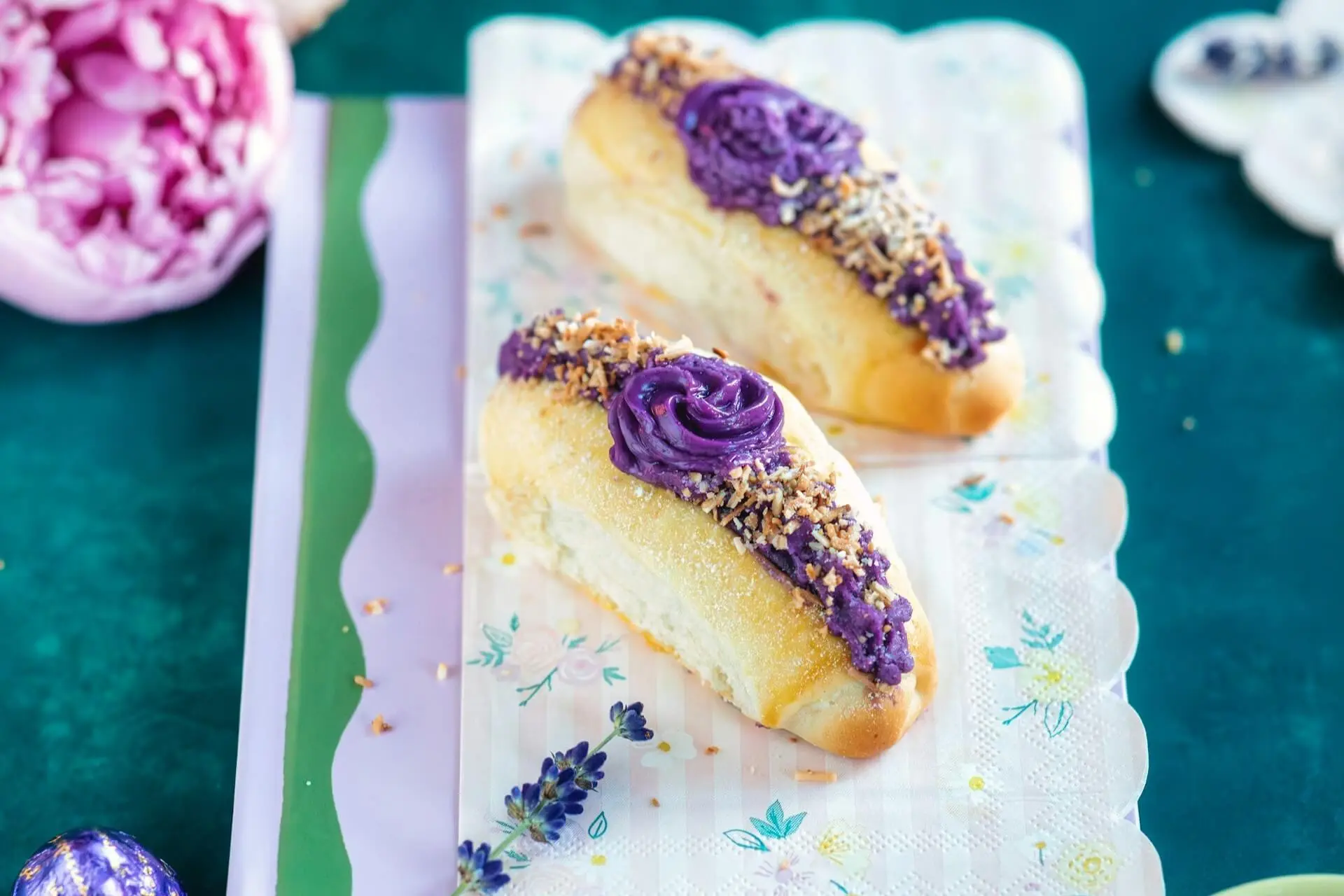
Ube is a global food trend on pace to be as popular as matcha. If you haven’t heard of it, you’ve probably seen it on social media. This crop is the reason your favorite bakeries and coffee shops suddenly have purple items on their menus. Learn what ube is, how to use it in your daily meals and where to find the real stuff.
Ube is a purple yam native to Southeast Asia. It means “tuber” in Tagalog, a Philippine language, and has been a staple of Filipino cuisine for centuries. The word appeared in the first Tagalog-Spanish dictionary published in 1613, according to food historian Felice Prudente Sta. Maria, proving the food’s enduring gastronomic relevance.
A regular diet of ube is incredibly healthy. This root vegetable has abundant antioxidants, which may lower the risk of colon, lung and prostate cancers.
This tuber is an excellent source of complex carbohydrates, including resistant starch, which helps increase beneficial gut bacteria. Other potential ube health benefits include managing blood sugar, lowering blood pressure and improving asthma symptoms.
Ube is a versatile ingredient you can use in desserts, baked goods and beverages.
Traditional ube “halaya,” a Tagalog word derived from the Spanish word “jalea” meaning “jelly” or “jam,” includes butter and a combination of evaporated and condensed milk. Use these ingredients to make ube vegan and maximize its immense health benefits without sacrificing taste:
Boil the coconut milk in a cooking pot, then add the maple syrup. Stir until the sweetener is completely dissolved. Add the grated or mashed ube, then continue stirring over low or medium heat. Use an immersion blender until the mixture is smooth and thick. Once it gently simmers, remove from the heat. Grease silicone molds with cooking oil before transferring the halaya.
Let the ube cool at room temperature. It should become thicker once it cools down. Enjoy it as a vegan spread, snack or dessert. Cover the container when putting ube halaya in the fridge.
If you love cooking pancakes at home, incorporate ube puree into your recipe for a regal pop of color and nuttiness. According to Jeanelle Castro, the California-based Filipina food vlogger behind Jeanelleats, says that you can whip it up by mixing ube powder with water for 20 minutes. Let your ube puree cool before adding it to the other wet ingredients.
After mixing flour, baking powder and salt in one bowl, whisk egg or whatever plant-based alternative you prefer with ube puree, coconut milk and maple syrup in another bowl. Mix everything well without overworking the batter.
Cook pancakes like you normally would. Top them with fresh berries, vegan yogurt, or crushed nuts for added texture and nutritional value.
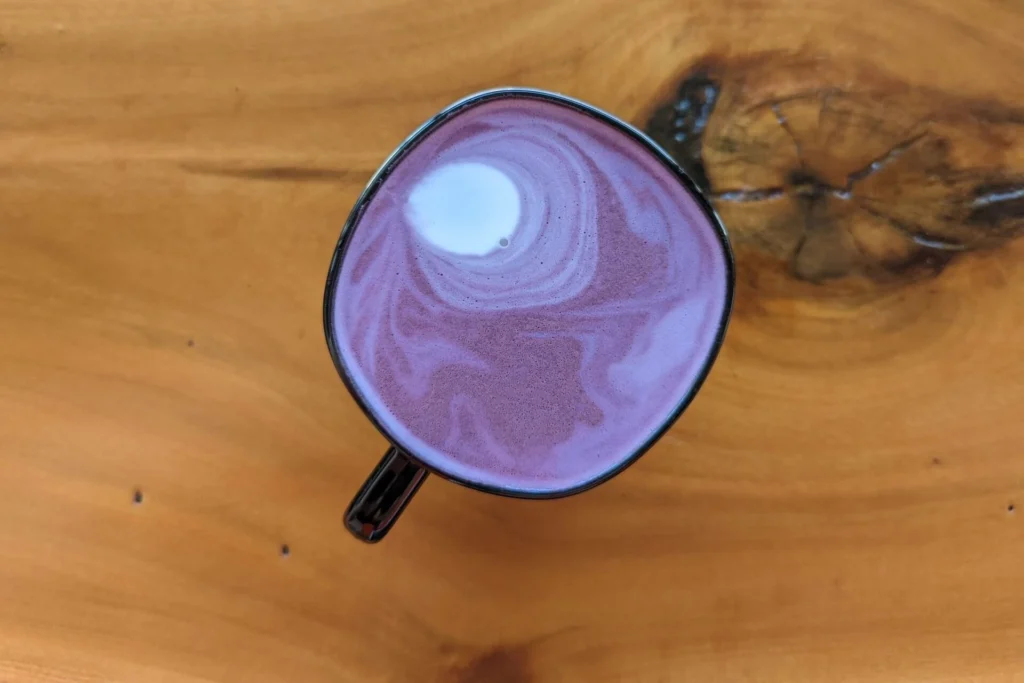
Complete your breakfast with a hot cup of Joe, streaked with amethyst or mauve-colored java. Mix ube puree and maple syrup in a small saucepan. Then, add your milk of choice. Heat the mixture while whisking gently to blend everything thoroughly.
Once hot and thoroughly blended, pour it into your cup of espresso, and voilà, you’re now an ube latte barista. A nondairy creamer is optional but adds a foamy quality, a definite must-have if you like your beverage extra-rich and frothy. Garnishing it with roasted coconut flakes is chef’s kiss.
Bonus healthy ube recipe — you can make a cold version by preparing the base mixture with half the milk. Pour it over ice cubes in a tall glass, then add the remaining cold milk to get your caffeine fix in style.
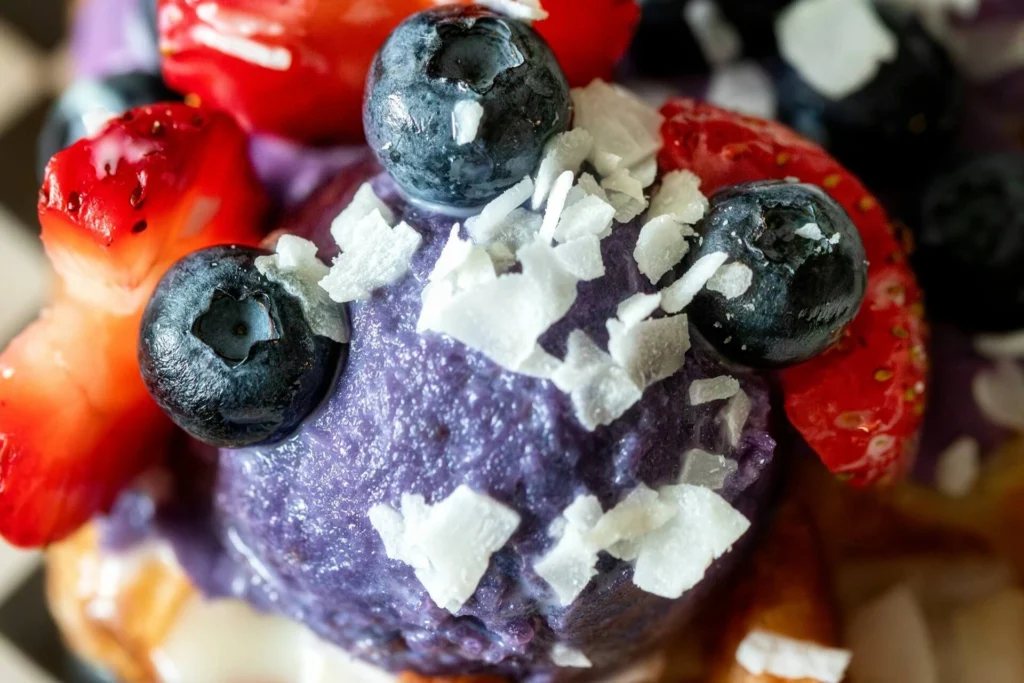
Ube makes a fiber-rich smoothie bowl you can eat with your eyes. A puree of natural ube can elevate the dish’s aesthetics, as the sight of kiwi and mango slices, almond butter, sugar-free granola, chia seeds and shredded coconut on a bed of purple goodness is Instagram-worthy from any angle.
Blend your chosen frozen fruits with ube puree, plant-based milk and vanilla extract on low speed. Wait until the mixture reaches the consistency of soft ice cream. Pour your ube smoothie into a bowl and smooth it with a spatula. Add a variety of toppings to bring more texture and make it a wholesome meal.
If you want extra visual flair, blend a handful of raspberries, blueberries and blackberries separately. Then, drizzle your berry smoothie over your ube smoothie in a spiral pattern.
This ube dish requires refrigeration, but it’s worth it. To say that ube chia pudding is a healthy snack is an understatement. You can customize it with any fresh fruit you like to enhance its nutritional content and taste.
Mix chia seeds, milk and ube puree in a medium bowl. Whisk them well before adding maple syrup, vanilla and salt, then whisk again before refrigerating your pudding.
To enjoy it, put the pudding at the bottom of a glass. Add fresh berries, then another round of pudding. Top with more fruit and a sprinkle of coconut flakes.
Depending on where you live, ube can be both everywhere and nowhere. That’s because most people, even retailers and some food journalists, confuse it with other root vegetables and mislabel it.
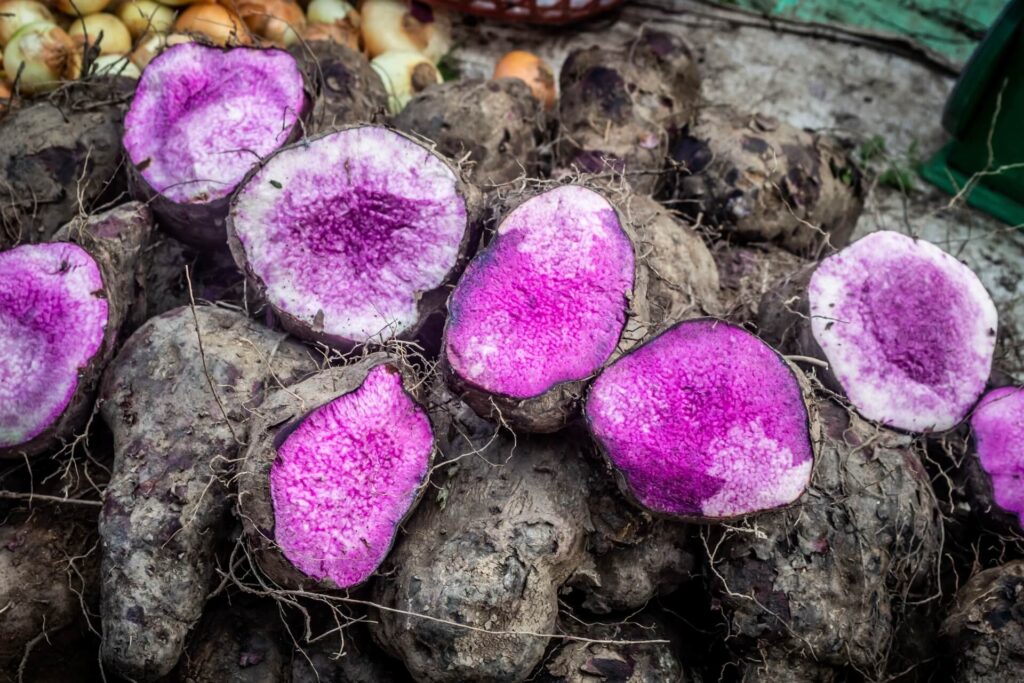
Ube is noticeably different from taro and purple sweet potato when you see them side by side. As professional vegan chef Jenne Claiborne explains in her YouTube channel SweetPotatoSoul, yams like ube and taro are generally larger and have a bark-like, inedible outer layer. In contrast, sweet potatoes are smaller and have smoother, tastier skin.
The flesh of ube ranges from striking purple with white specks to white with violet undertones, while taro is typically cream-colored or pinkish off-white.
Purple sweet potatoes are naturally sugary, so yams may taste bland in comparison. Having said that, ube isn’t flavorless. It has a subtle nutty taste with soft notes of vanilla. Taro, on the other hand, has a milder and earthier profile.
This Southeast Asian import is becoming part of mainstream American cooking. Try these five tried-and-true ube dishes to know how it tastes and nourishes your body, then experiment with recipes of your own to impress your friends and family.

Your email address will only be used to send you our newsletter, and at any time you may unsubscribe. For more information, see our Privacy Policy.
