


Body + Mind is reader-supported. We may earn an affiliate commission when you buy through some of the links on our site.
It’s a common problem. There you are, just minding your own business, but your eye takes on a mind of its own and starts fluttering like a butterfly. This is an annoying but usually harmless issue, but it can be a signal from your body to pay more attention to your overall wellness. If you’re wondering why your eye is twitching, it could be trying to tell you something.
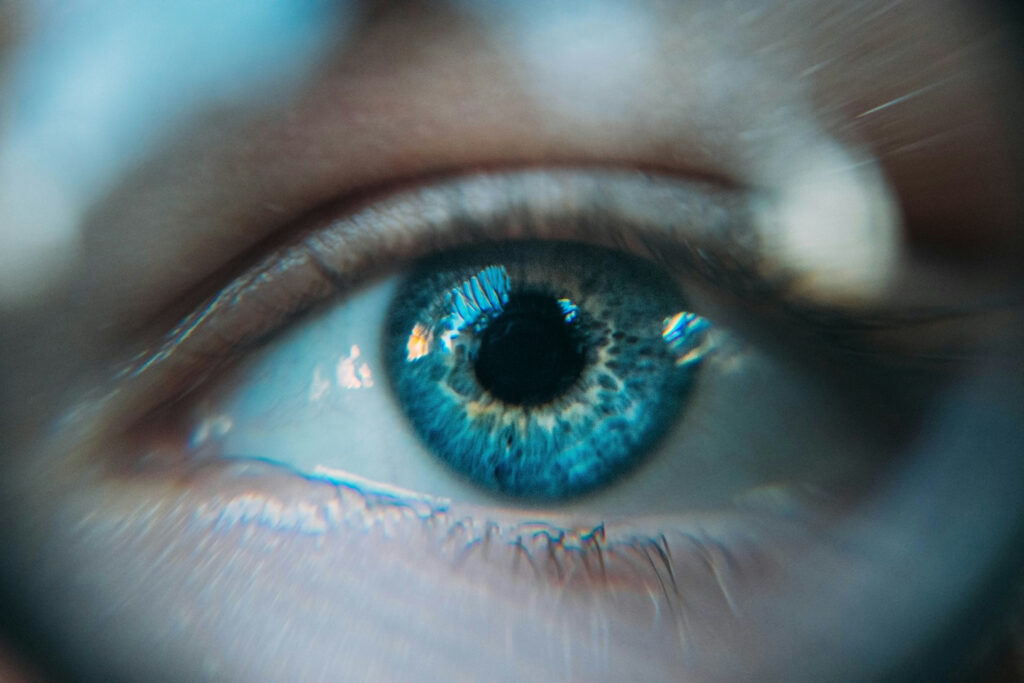
The medical term for eye twitching is myokymia. It can last from seconds to a few hours and typically only affects one eye at a time. It has a variety of causes — most of which, happily, are to some extent within your control. Next time it happens, check whether any of the following apply.
Stress hormones like cortisol can overstimulate muscles, including those in your eyelids. Your body’s fight, flight or freeze response can get tangled, and muscle twitches can result as your brain processes the threat in real time.
Depression can cause tiredness, which can ripple across the whole body. Lack of sleep also affects nerve function and muscle control. If you are also irritable and finding it hard to concentrate when your eye is twitching, that strongly suggests fatigue. Try to get the recommended seven hours of sleep each night to restore your system.
Digital eye strain is something of a modern pandemic. Also known as computer vision syndrome (CVS), it predates smartphones. A 2023 research review estimated that around 69% of people have CVS — in some studies, the rate was as high as 97.3% of participants.
Contrary to popular belief, there is no evidence that blue light harms your vision — CVS stems from the fact that we blink less when working with screens. A normal blink rate is approximately 15 times per minute, but it’s often less than that when focused on a screen. That increases eye irritation and can lead to twitching.
Being dehydrated contributes to overall fatigue. It also means your body has fewer electrolytes to support your muscles, which leads to cramps or twitches. Excessive caffeine and alcohol can also contribute to dehydration. Minerals such as magnesium and potassium act as electrolytes and can be obtained through your diet, but many people don’t eat enough of them.
There are several ways you can help bring your body back into balance, which should alleviate your eye flutters.
You can also try using a warm compress to help relax the eye muscles, or you could gently massage around your eye to relieve tension.
Although usually harmless, look out for the following signs that your eye twitching may warrant a visit to the doctor.
Everyone gets eye twitching now and then. If you are especially tired or stressed, you may get it several times in quick succession. However, if you think it is happening often, or if it doesn’t go away after a few hours each time, start to track how often it occurs and how long it lasts. Prolonged twitching needs checking out.
If your eye twitching coincides with these red-flag symptoms, schedule a prompt doctor visit.
Persistent eye twitching can be a symptom of a neurological condition, such as blepharospasm or hemifacial spasm. It is also associated with dystonia, multiple sclerosis and Bell’s palsy. This is rare, and you would normally notice other symptoms pointing in those directions. However, if you are concerned or if twitching persists longer than a few hours at a time now and then, schedule a doctor’s appointment to set your mind at rest.

Here are some common concerns people have.
Yes, sometimes. Eye irritation from histamine release can be a cause for some people, especially if their eyes are also itchy and watery.
Yes, there are. For example, Botox injections are a common treatment for blepharospasm.
Yes. An ill-fitting contact lens can cause irritation and an outdated glasses prescription can cause eye strain, both of which may lead to twitching.
Myokymia itself is not typically hereditary. However, some of the rarer conditions that may cause it can have genetic links.
Eye twitching is usually a benign, harmless condition that can be improved by addressing underlying causes such as tiredness or dehydration. In that sense, it serves a useful purpose, reminding us to take better care of ourselves overall. However, if it goes on for a long time or recurs very often, seek medical advice for your peace of mind.

Your email address will only be used to send you our newsletter, and at any time you may unsubscribe. For more information, see our Privacy Policy.
