


Body + Mind is reader-supported. We may earn an affiliate commission when you buy through some of the links on our site.
It’s 3 a.m. and you’re rocking your baby for what feels like the hundredth time tonight. Your arms ache, your eyes burn and you just want one hour of sleep. If you’re wondering why your baby won’t sleep, you’re not alone — and you’re definitely not doing anything wrong. Frequent waking is exhausting but completely normal.
Here’s the truth that might surprise you — babies aren’t supposed to sleep through the night as early as everyone seems to think. If your little one is still waking up multiple times at six months or even a year old, that’s actually within the range of normal biological behavior. Take a deep breath. You haven’t failed at anything.
According to one survey, only 56% of babies sleep through the night by 12 months. That means nearly half are still waking up regularly at their first birthday. By 24 months, about 76% sleep through the night, but that still leaves almost a quarter who don’t. Those numbers might feel frustrating, but they’re also incredibly reassuring.
There’s a biological reason for all this waking, too. Breastfed babies in particular need to wake and feed often because human milk is digested quickly — much faster than formula. Their tiny tummies can’t hold enough to keep them full for eight hours straight. Babies are also wired to seek comfort and closeness for survival, which makes those nighttime wake-ups completely normal.
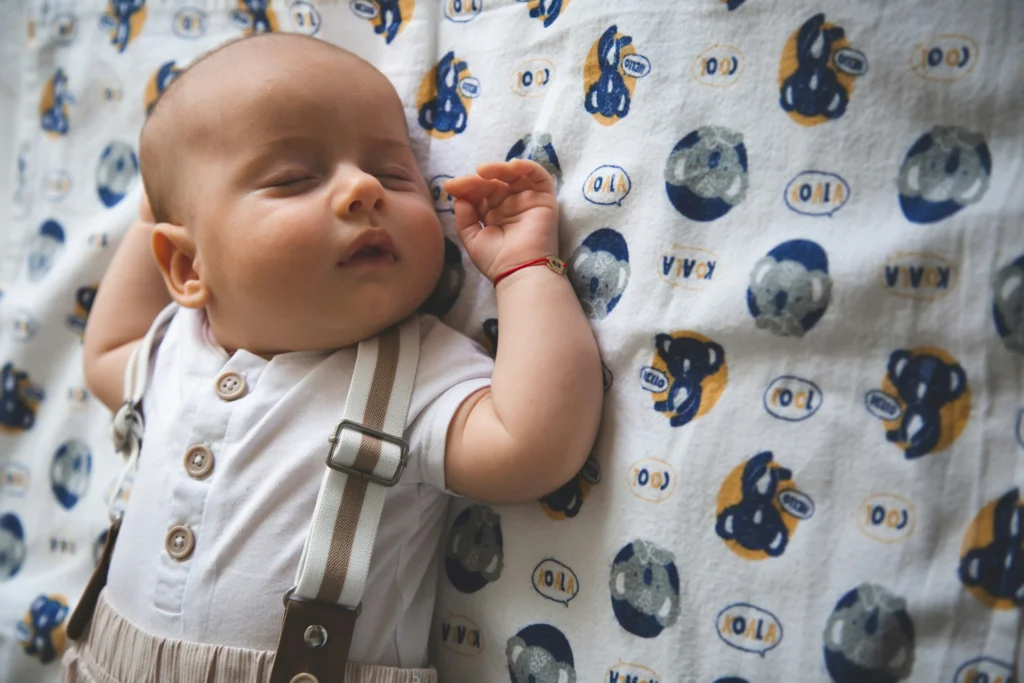
Sometimes the answer to why baby won’t sleep is something simple you can fix in two minutes. Before you spiral into worry about sleep training or developmental issues, run through a quick comfort checklist. Think of this as ruling out the easy stuff first.
Waking up at night doesn’t mean your baby is sick. But if you’re concerned, here are a few signs that might require medical attention:
If none of these apply, you can relax a little. Your baby is probably just being their wonderfully frustrating self.
Quick wins can make a big difference. Check whether your baby’s diaper is wet or soiled—nothing ruins sleep quite like sitting in a soggy diaper. Make sure their clothes aren’t twisted or bunched up in uncomfortable ways.
Look at the room temperature too. Babies sleep best in a moderately warm room. Too hot and they’ll wake up sweaty and cranky. Too cold and they’ll fuss until someone warms them up. Also consider whether they might be hungry. Growth spurts can pop up suddenly, and your baby may need an extra feeding even though they’ve been sleeping longer stretches.
Babies have different cries for different needs. A hungry cry often starts quietly and builds up to a rhythmic wail. Your baby might also root around or suck on their hands. If you’re seeing these cues, a feeding might be exactly what they need.
Gas is another sneaky sleep thief. If your baby pulls their legs up toward their belly or seems to be straining, they might just need help passing gas. Gentle tummy massage, bicycle legs or holding them upright against your chest for a while can offer relief.
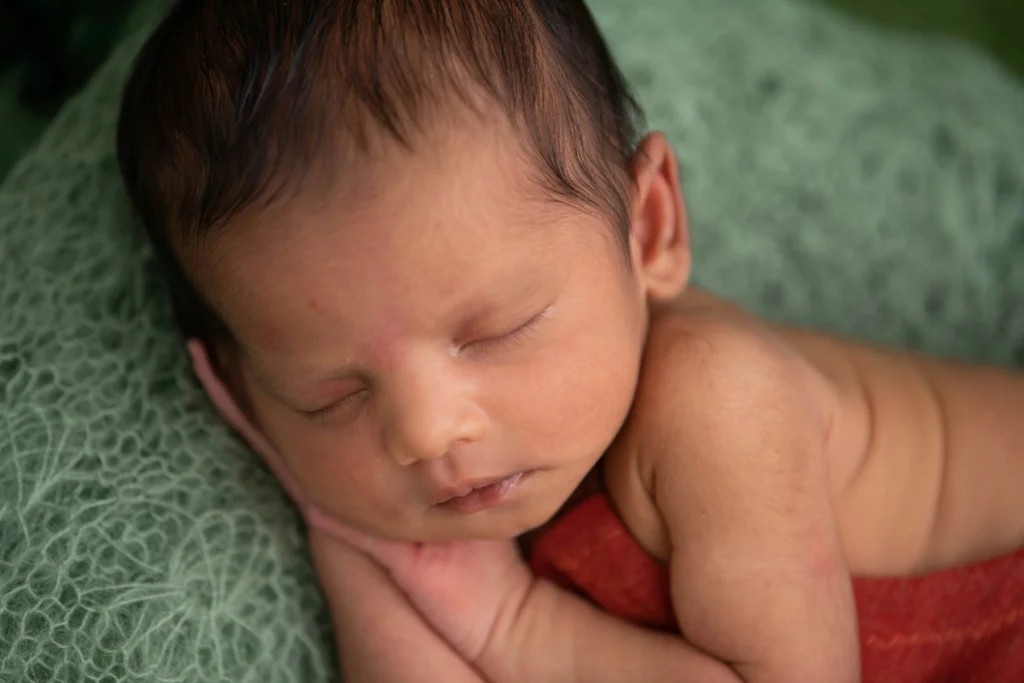
Just when you think you’ve figured out your baby’s sleep patterns, everything falls apart. Welcome to sleep regression — a normal and temporary phase that can feel like a cruel joke. Sleep regressions happen when your baby’s brain is working overtime to master new skills. They’re so busy learning to roll over, crawl or babble that their sleep gets disrupted.
These regressions tend to cluster around common sleep regression periods, such as 4, 8, 12 and 18 months. The 4th month regression is often the most dramatic because your baby’s sleep cycles are maturing and becoming more adult-like.
Sleep regressions are temporary. Baby won’t sleep well for a little while. Most last about two to six weeks. Your job is just to survive them with as much grace as you can muster. Stick to your usual routines as much as possible and remember that this too shall pass.
This one might be hard to hear when you’re already exhausted, but your stress can actually impact how your baby sleeps. This is not your fault. You’re not somehow causing your baby’s sleep problems by stressing about them. That would be a ridiculous circular trap and nobody deserves that kind of guilt.
What is true is that babies are incredibly sensitive to the emotional states of their caregivers. They can pick up on tension and anxiety through your voice, your touch and even your smell. When you’re stressed, your baby may have a harder time settling because they’re responding to your nervous system.
Research has found a connection between maternal stress and infant sleep issues. Interestingly, studies also suggest that active soothing can prolong the issue when it becomes frantic or tense. If you’re frantically rocking and bouncing while internally screaming “just go to sleep,” your baby might become more dependent on that intense motion to fall asleep. Sometimes a calm, quiet presence works better than all the desperate soothing in the world.
If this resonates with you, consider switching up the anxiety that can develop between you and your baby. Taking care of your own stress might be one of the kindest things you can do for both of you. That might mean asking for help, taking breaks when you can or simply giving yourself permission to feel frustrated without shame.

Every baby is different and every family is different. What works for your neighbor’s baby might not work for yours, and that’s completely okay. The sleepless nights will pass before you know it. The good news is that your baby’s lack of sleep won’t cause any long-term harm.
That said, there are some approaches that many families find helpful over time:
Safety, of course, is nonnegotiable. Experts recommend that babies sleep in the same room as their parents— but not in the same bed — for the first six months to reduce the risk of SIDS. Your baby should always sleep on their back on a firm mattress with no pillows, blankets or stuffed animals in the crib.
There is no perfect sleep solution that works for every baby. What works for you is what works. Trust your intuition. You know your baby better than any book or expert ever will. Be patient with yourself and with your little one when your baby won’t sleep. You will figure out what works for your unique family. And on those nights when nothing seems to work, remember that you’re doing an incredible job. This phase is temporary. Sleep will come eventually — for both of you.

Your email address will only be used to send you our newsletter, and at any time you may unsubscribe. For more information, see our Privacy Policy.
