

Body + Mind is reader-supported. We may earn an affiliate commission when you buy through some of the links on our site.
Lyme disease bacteria can create a significant infection from the bite of an infected blacklegged tick. Without the proper recognition and treatment, symptoms can persist for a long time as the infection affects the joints, heart and nervous system.
Thankfully, with how rapidly medical research has improved, there’s more information on how to treat Lyme disease. Researchers are increasingly examining the link between chronic Lyme disease symptoms and the vagus nerve.
Lyme disease can cause a variety of symptoms, especially when left untreated. Some of them can appear some time after the tick bite. Here are a few examples:
The vagus nerve is the longest cranial nerve that extends and connects to the vital abdominal organs. It makes up to three-fourths of the nerve tissue in the parasympathetic nervous system, making it the longest of all your cranial nerves.

The parasympathetic nervous system is responsible for your “rest and digest” and “feed and breed” functions. The vagus nerve’s role is to regulate factors such as your heart rate, skin sensations, immune response and more.
As a result, vagus nerve stimulation can be an instrumental part of treating certain illnesses. It can provide pain relief post-injury, from joint pain to post-traumatic arthritis. There’s also evidence that points to its effect in treating depression, inflammatory bowel disease and epilepsy.
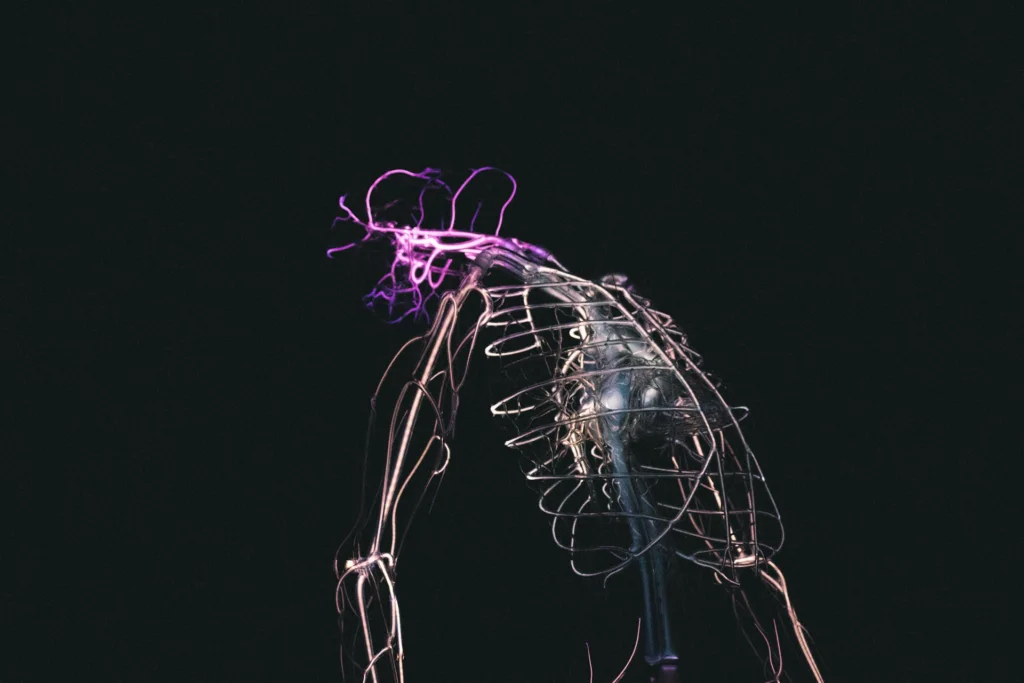
Lyme disease, at its core, creates a chronic inflammatory response. It can impair various nerve functions, such as the stress response and immune function. Notably, the autonomic nervous system begins to dysfunction as well. This dysautonomia can lead to complications in regulating blood flow.
However, the vagus nerve can affect peripheral inflammation in the central nervous system. By regulating various involuntary processes and transmitting key sensory information, the vagus nerve can exert anti-inflammatory effects to help manage symptoms from both Lyme disease and dysautonomia.

Taking advantage of the link between the vagus nerve and Lyme disease can help decrease symptoms and aid recovery. Here are some vagus nerve stimulation techniques.
Consider trying out breathwork exercises to reset the body. Practicing mindfulness through breathing can revitalize vagus nerve connections and help you relax. Something as simple as box breathing can already be effective in regulating the nervous system.
You can also try the Wim Hof method, which is best done upon waking or before a meal. All you have to do is breathe deeply and push your belly outward. Once the lungs are full, let out a gentle exhale. Do this consecutively about 30 times. Lastly, hold your breath as long as possible and take a recovery breath after.
If your goal is to activate the autonomic nervous system in the long term, consider more mouth-based movements. Gargling, humming and singing are excellent exercises because the throat vibrations directly stimulate the vagus nerve and help you with the “rest and digest” function.
Transcutaneous auricular vagus nerve stimulation is a therapy that delivers small electrical impulses to the nervous system. It was first coined in 2000 as a form of electroacupuncture and refers to the activation of the central nervous system. Invasive variations use medical devices, but noninvasive methods can suffice for treatment.
Treating Lyme disease should be a holistic approach with multiple strategies. Aside from vagus nerve stimulation, antibiotics are usually a key point in helping your recovery. Here are other core strategies that can help:
The vagus nerve runs from the brainstem to the gut and is responsible for moving the body into a calm, relaxed state. As such, consider having a more gut-friendly diet. Swap out processed food for natural options instead. You can also go the extra mile by taking probiotics and incorporating anti-inflammatory foods like turmeric and garlic into your meal plans.
Mindfulness in your movement can help ease stress in your body. That said, you don’t want to strain yourself during this recovery period. Focus on what you’re capable of. Even just a simple walk or light stretching can help you improve.
Get a good night’s rest when coping with Lyme disease. It’s vital to practice good sleep hygiene, like keeping the room dark and sticking to a strict sleep schedule. You can also consult a doctor if you’re having further trouble with getting shuteye.
Lyme disease creates a cycle of chronic inflammation that can leave you feeling powerless. However, by consciously stimulating the vagus nerve, you are actively telling your nervous system to move from a state of stress to one of healing.
Think of these practices as the missing link that amplifies the effects of other treatments. By pairing them with medical guidance, you can create a powerful, holistic strategy to reclaim your quality of life and take an active role in your recovery.
Your email address will only be used to send you our newsletter, and at any time you may unsubscribe. For more information, see our Privacy Policy.
