


Body + Mind is reader-supported. We may earn an affiliate commission when you buy through some of the links on our site.
This article contains:
Few things disrupt your day quite like the deep, throbbing pressure of an ear infection. When an ache flares up, natural remedies for ear infections can provide soothing relief without rushing to urgent care. With the right supportive home care, you can significantly ease the pain, reduce swelling and help your body’s natural defenses clear the infection.
| Crucial safety note before trying any ear drops: Never put liquid drops, oils, hydrogen peroxide or home rinses into your ear if you have ear tubes, notice fluid or blood draining, or suspect a ruptured eardrum. If you aren’t sure whether your eardrum is intact, check with a doctor first. |
Before reaching for any drops or waiting for an infection to clear, your primary goal should be comfort. The American Academy of Pediatrics (AAP) guidelines emphasize treating pain first, regardless of whether you’ll eventually need antibiotics.
To manage discomfort effectively, the AAP recommends age-appropriate doses of ibuprofen or acetaminophen to quickly reduce throbbing ear pain and fever. Always consult a pediatrician for proper dosing in infants and young children, and never give aspirin to children or teens.
The Cleveland Clinic recommends addressing the underlying congestion by drinking plenty of fluids, running a cool-mist humidifier in the bedroom, and prioritizing extra rest to help keep nasal passages moist and reduce pressure on the eustachian tubes.
You can also try warm or cold compresses. Placing a warm, damp washcloth or a wrapped ice pack against the outer ear for 15 to 20 minutes can numb sharp nerve pain and relax tense jaw muscles surrounding the ear canal.
YouTube Video: https://www.youtube.com/watch?v=d_FwJj8oNQQ
Understanding how to cure an ear infection starts with knowing where it begins. Most middle ear infections develop when a cold, flu or seasonal allergy inflames and swells the eustachian tubes. Fluid then gets trapped behind the eardrum, creating a moist environment where bacteria or viruses multiply. This trapped fluid and resulting inflammation produce the pain, pressure and muffled hearing typical of an infection.
While many ear infections originate from viral colds or other respiratory bugs, secondary bacterial infections often take hold in trapped fluid. The most common bacterial culprits include Streptococcus pneumoniae, Haemophilus influenzae and Moraxella catarrhalis.
Several environmental, behavioral and biological factors can also increase the likelihood of developing an ear infection:
Children experience significantly more ear infections since their eustachian tubes are narrow, short and sit more horizontally than those of adults. This level angle makes it much harder for fluids to drain naturally and much easier for congestion or swelling to trap fluid inside the middle ear space.
Adults get ear infections too, which is why safe home remedies for ear infections in adults are so essential. They typically stem from similar primary causes, including a severe cold, flu, sinus infection or sudden allergy flare-up that inflames the eustachian tubes and traps fluid behind the eardrum.
A middle ear infection is different from swimmer’s ear—an outer ear canal infection, typically triggered by moisture trapped after swimming or micro-scratches from cotton swabs and foreign objects. Because it affects a different part of the ear, it requires different care and precautions than a typical middle ear infection.
Now that you understand the potential causes, risk factors and where to start when managing your symptoms, you can try these natural remedies before rushing to the doctor.
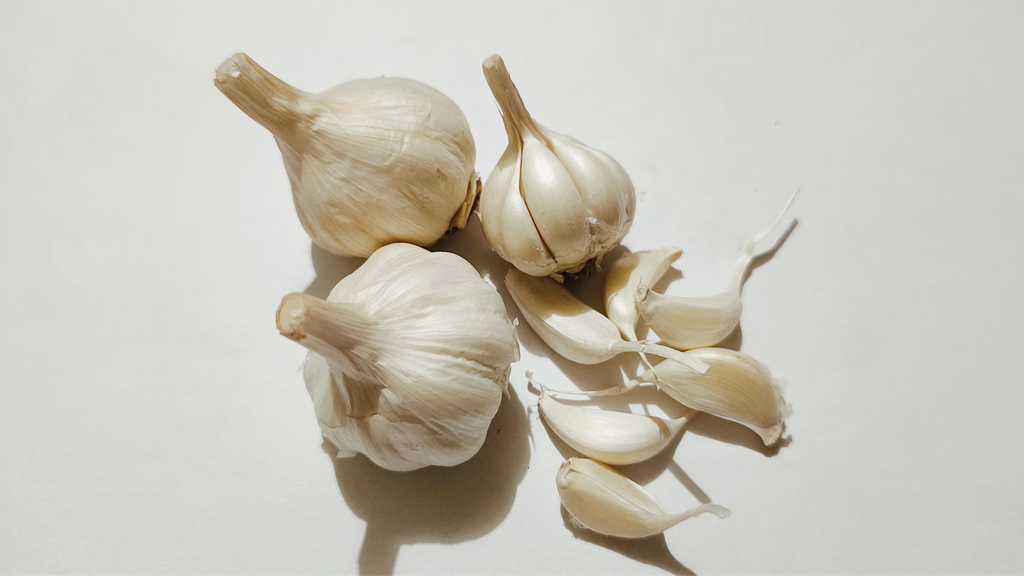
Garlic is a root herb with antifungal, antibacterial and antiviral properties, making it a strong option among home remedies for ear infections. However, it’s important to understand how it works—an intact eardrum forms a watertight seal, meaning oil drops in your canal cannot pass through to kill bacteria in a middle ear infection.
Instead, warm garlic oil works topically, coating the canal and gently warming the outer surface of the eardrum to ease radiating, throbbing pain while your immune system clears the internal infection. Dilute your garlic in a carrier oil like coconut or olive oil. You can also find ear-safe mixtures at many natural food stores.
Apple cider vinegar contains acetic acid, a natural antimicrobial compound that lowers local pH, creating an acidic environment where common bacteria and fungi struggle to multiply.
Because drops cannot pass through the eardrum to reach the middle ear, vinegar is not an effective treatment for middle ear infections. Instead, it is a well-known home preventive for swimmer’s ear.
For general ear canal balance, mix equal parts clean, lukewarm water and apple cider vinegar. Never use undiluted vinegar, which can severely sting and irritate delicate skin.
Place two to three drops into the ear canal using a clean medicine dropper, or dab the mixture around the outer ear opening with a clean cotton ball. Let it sit for one to two minutes with your head tilted, then tilt your head the opposite way to let it drain completely onto a clean tissue.
If you swim laps several mornings a week and frequently get that clogged, waterlogged feeling, keep a small dropper bottle of this 50/50 mixture in your swim bag. Applying two drops right after toweling off helps restore the ear canal’s natural acidic barrier before trapped pool water can turn into swimmer’s ear.
Never use vinegar solutions if the ear canal is already raw, cracked or severely inflamed, as the acid will cause intense burning. Avoid using it altogether if you suspect a ruptured eardrum or have ear tubes.
Mullein has long been used in herbal medicine for its anti-inflammatory and mild analgesic properties. Modern herbal ear formulations often blend mullein flower extract with garlic or St. John’s wort to help soothe local irritation and calm nerve endings along the ear canal and outer eardrum.
You can find mullein drops at natural food stores. Follow the instructions on the label—some manufacturers formulate them specifically for ear use.
Vitamin D plays an essential role in modulating immune function and antimicrobial peptide production. Research shows that maintaining adequate vitamin D levels helps lower the risk of recurrent upper respiratory infections—the very colds and sinus bugs that typically trigger middle ear inflammation.
A pediatrician or primary doctor can check vitamin levels to see if a daily supplement is beneficial during low-sunlight months—most adults need 600-800 international units per day to keep immune defenses strong. Additionally, you could increase your time outdoors.

Ginger is renowned for its potent natural anti-inflammatory and pain-relieving properties, primarily thanks to active compounds called gingerols. While it cannot cure an internal bacterial infection, ginger can help reduce the surrounding ache and muscle stiffness that often accompany an inflamed ear.
Unlike warm carrier oils designed for the ear canal, raw ginger shouldn’t be put directly in the ear, as its juices can sting, burn sensitive skin or leave irritants behind. Instead, use it as an external massage oil:
Massaging this area stimulates local blood circulation, eases tension in the jaw muscles and encourages natural lymphatic drainage without putting your delicate ear canal at risk.
Olive oil is frequently used as a carrier oil, but it works well as a natural remedy for ear infections on its own.
It has some antibacterial properties, but its greatest benefits may lie in its water-repellent abilities. Microorganisms need H2O to flourish, just as humans do, and coating the inside of your canal can help prevent swimmer’s ear by creating a natural barrier that stops pool water from sitting against delicate canal skin.
A heated salt rock is a surprisingly effective homemade remedy for ear infection discomfort through simple dry heat therapy, even though salt cannot physically draw fluid out from behind an intact eardrum.
Coarse salt crystals retain heat exceptionally well. Applying gentle, dry warmth against the ear and jawline stimulates local circulation, calms irritated nerves and relieves throbbing pressure—a method supported by clinical resources as a comforting home measure for ear pain.
Pour one cup of coarse sea salt or Epsom salt into a clean, thick cotton sock and tie off the end. Warm it in the microwave in brief 20- to 30-second bursts—usually 45 to 60 seconds total—until it is comfortably warm. Always test the temperature on the inside of your wrist first before resting it against your ear for 15 to 20 minutes.
When deciding on the right ear infection treatment, prescription antibiotics aren’t always necessary right away. In fact, routine overuse of antibiotics can lead to unwanted side effects, such as diarrhea, stomach upset or allergic rashes, and contributes to broader antibiotic resistance.
According to clinical practice guidelines from the AAP, a strategy called “watchful waiting”—observation for 48 to 72 hours—is often the best initial approach for mild, uncomplicated cases.
Evidence reviewed by the AAP and large-scale Cochrane systematic reviews shows that most acute ear infections resolve on their own. Watchful waiting gives your body time to recover naturally while you focus on pain relief at home.

While mild earaches often improve with watchful waiting and supportive home care, ear infections can occasionally lead to serious complications if ignored. Rather than guessing, use this clear clinical checklist.
Contact a doctor or seek medical care promptly if you experience:
While you cannot prevent every seasonal bug, you can significantly lower the risk of both middle ear infections and swimmer’s ear by following these evidence-based prevention habits:
Here are answers to some of the most common questions people ask when dealing with an ear infection.
Yes, many mild ear infections can and do resolve without prescription medication. Pediatric and family medicine guidelines recommend an initial 48- to 72-hour period of “watchful waiting” for mild cases. During this window, prioritizing nonprescription pain relievers and soothing home comfort measures can help reduce symptoms while your body clears the fluid.
However, “watchful waiting” should never mean ignoring severe warning signs. If symptoms worsen, pain persists beyond 48 to 72 hours, or you notice high fevers or fluid draining from the ear canal, it’s time to see a doctor for an evaluation and possible antibiotic treatment.
Most acute middle ear infections last between three days and two weeks. The acute pain phase typically peaks within the first 24 to 48 hours and begins improving shortly after. Most symptoms subside within one to two weeks as inflammation goes down.
It is normal for fluid or a feeling of muffled hearing to linger behind the eardrum for several weeks or even months after the actual infection has cleared. However, if severe pain lasts longer than a few days or symptoms persist beyond two weeks, have a physician examine the ear canal.
The ear infection itself is not contagious, but the underlying germs that trigger it are, according to the Cleveland Clinic.
You cannot “catch” an ear infection directly from someone else’s ear. However, the upper respiratory viruses and bacteria that cause colds, flu, sinus infections and sore throats are easily spread through respiratory droplets, coughing, sneezing and shared surfaces. When those common bugs travel to a new host, they can inflame the eustachian tubes and set off a brand-new ear infection. Practicing good hand hygiene and avoiding close contact with sick individuals are your best defenses.
TMJ disorders frequently mimic the deep, aching pain of an ear infection. Here is how you can tell them apart:
If your doctor examines your ear canal and finds your eardrum completely clear and healthy, a jaw specialist or dentist can evaluate you for TMJ.
Try one of these natural remedies for ear infections the next time you feel an earache. You could save yourself money and a trip to the doctor.
Originally published June 2, 2021. Updated November 9, 2026.

Your email address will only be used to send you our newsletter, and at any time you may unsubscribe. For more information, see our Privacy Policy.
