

Body + Mind is reader-supported. We may earn an affiliate commission when you buy through some of the links on our site.
When people think of nutritious and appetizing foods, organ meats might not be at the top of their list. However, they are incredibly healthy and are facing a major resurgence in modern wellness. You will definitely get a ton of nutrients from adding them to your diet. Who knows, they might become a staple ingredient in your weekly meals.
Understand organ meat nutrition and how to prepare it so you can easily incorporate these nutrition powerhouses into your diet.
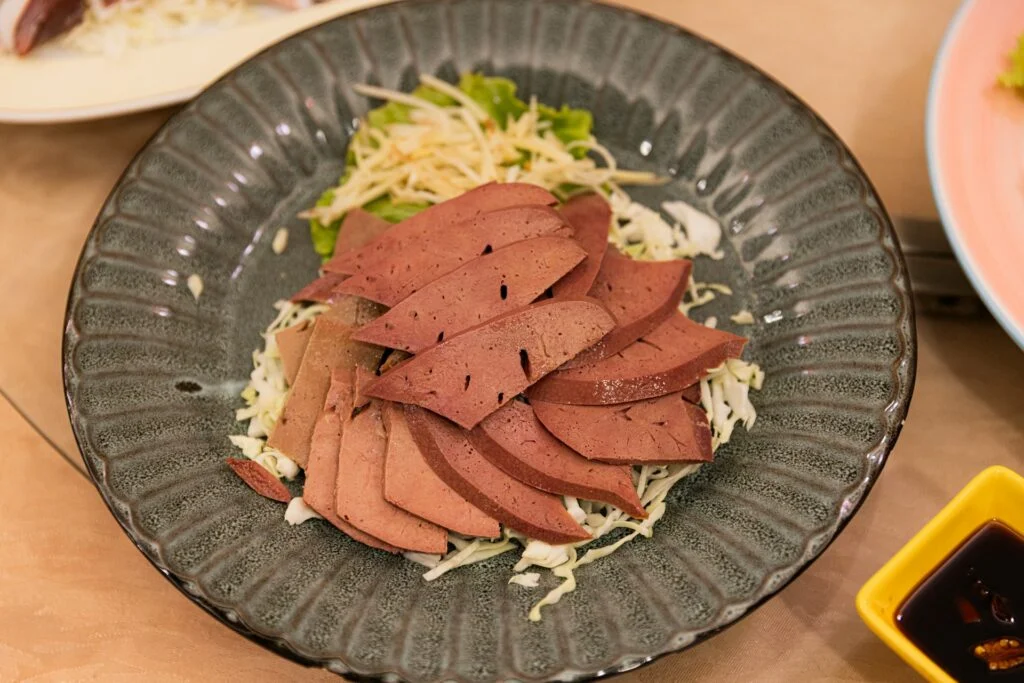
Organ meats, also known as offal or variety meats, are the edible non-muscle organs of an animal. This includes the liver, heart, kidneys, brain, tongue, pancreas, thymus, and many other body parts. Traditionally, they were never discarded. Instead, they were used as ingredients for cooking. For example, liver is considered one of the healthiest organ meats. They are rich in iron, which helps prevent iron deficiency anemia and its associated symptoms, such as poor mental health.
Popular dishes you can try include French veal sweetbreads, Mexican tacos de lengua, Chinese dim sum chicken feet and Filipino grilled intestine barbecue.

Organ meats are typically more nutritious than the muscle meats you may eat regularly. Just a small serving of them can provide a huge portion of the daily recommended nutrients. For example, Coenzyme Q10 or CoQ-10 is found in beef heart and is a crucial antioxidant compound for cellular energy production and cardiovascular health.
Other nutrients provided by organ meats include Vitamin A, Vitamin B12, Iron, Choline, Copper and Selenium. These are important for ensuring proper body functioning. In terms of micronutrient concentration, offals beat out muscle meat. This is why many fitness influencers and coaches are spreading the benefits of organ meats. What the latter has in its favor is its protein content and its familiarity in terms of texture and taste.
Avoid debating whether to consume organ meat vs. muscle meat. Each one is a crucial factor for a balanced diet. One is rich in the necessary macronutrient protein, while the other is rich in micronutrients. It doesn’t have to be one or the other.

Starting to incorporate organ meat into your diet can be daunting. It’s best to take the journey slowly and explore what works for you and what doesn’t.
Your best starting point to consume offal is by buying widely available parts such as liver, heart and tongue. They are incredibly nutritious and, with the right preparation, delicious. Beef liver is very nutritious, but its taste can be a bit strong for beginners. You can opt for calf liver or chicken liver for a milder, softer and more buttery texture.
The heart is also an excellent choice. Since it’s a powerful muscle, the meat will be firm and lean — closely resembling a steak or brisket. It has a rich, beefy flavor that lacks the metallic taste of liver. Tongue is another popular organ meat. After slow cooking, the meat becomes super tender and flavorful. It tastes like shredded beef and feels much softer. The popular and delicious tacos de lengua use tongue meat.
The animal’s health determines its nutritional quality. Healthy, well-nourished animals will also have healthy, nutrient-rich organs. The best way to ensure quality is by buying 100% grass-fed and pasture-raised meats. These can be typically found at local farms with fair prices, farmer’s market stalls and whole-animal butcher shops.
There are plenty of ways you can improve upon the taste of organ meat. One such way is to soak the liver in milk or an acid such as lemon juice for 30 minutes to a few hours. The lactic acid in milk will draw out bitterness and mellows its flavor. Another fantastic way to incorporate them into your diet is by hiding them. Grate one to two tablespoons worth of liver and add it to chili, meatballs or bolognese sauce. The flavor is undetectable but it boosts the nutritional value of your meal.
Another way is through pâté, which is a savory paste made from mashed meat. Blend cooked liver with butter, herbs and spices to create a scrumptious pâté. You can spread it on breads, crackers, sandwiches and omelets.
Chicken liver pâté is a classic French appetizer. It is rich, savory, and creamy, making it perfect for spreading on bread. Tacos de Lengua is a tender Mexican dish that many love, especially with fresh cilantro, diced onions and a squeeze of lime. Try ordering them to see how much they taste like high-quality beef. Anticuchos de corazón is a Peruvian dish where beef heart is marinated with vinegar, cumin, garlic and chili and then skewered and grilled.
Filipino sisig is made from pig’s head and is a popular spicy bar food. Pork cheeks and ears are boiled, grilled and then chopped. It is fried with onions, calamansi juice and chili peppers, resulting in a sizzling and savory flavor. Japanese nankotsu yakitori is made from chicken cartilage. It is a staple at izakayas because of its crunchy and satisfying texture. Korean sundae is a blood sausage that uses pig or cow intestines stuffed with noodles, barley and pork blood.
Many people might be hesitant to try organ meats because of common misconceptions. For example, the liver is known to store toxins. However, it actually filters toxins rather than storing them. After neutralizing toxins, the liver stores life-sustaining vitamins and minerals such as Vitamin A, D, E, K, B12 and Iron. This makes it incredibly healthy to eat.
Organ meat nutrition is gaining traction for being a sustainable and healthy meat option. It has a high concentration of micronutrients unmatched by any other meat type. Try incorporating them into your diet in small ways first, such as using pâté or hiding them into dishes.
Make sure that you’re eating both organ meat and muscle meat in your diet to attain the necessary nutrients your body needs. Try famous organ meat dishes at restaurants to see what you like. You can start cooking and incorporating them into your diet once you are familiar with how to prepare them.

Your email address will only be used to send you our newsletter, and at any time you may unsubscribe. For more information, see our Privacy Policy.
