


Body + Mind is reader-supported. We may earn an affiliate commission when you buy through some of the links on our site.
Peak performance used to mean VO2 max and split times. Now, it includes the skin you sweat through and the face you carry under pressure. If you want an edge that feels modern and practical, start treating your facial wellness like part of your training block.
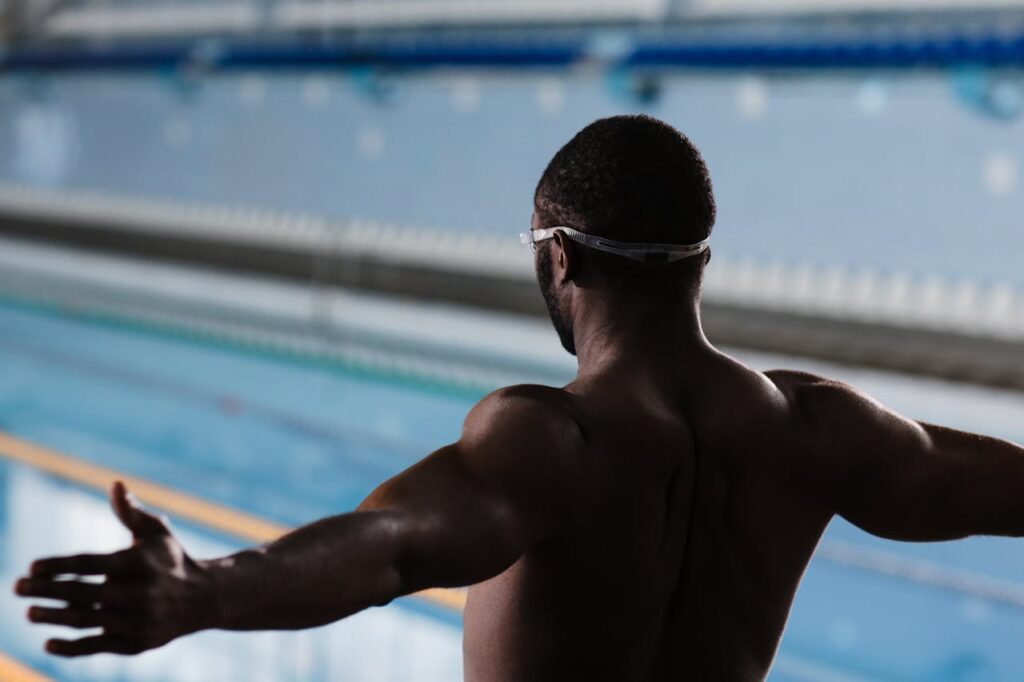
Peak performance used to be a narrow thing – faster splits, heavier lifts, clearer macros – but the definition has expanded. Recovery is part of performance now, and so are sleep, mood and focus. Skin health slides right into that same lane.
It looks like a vanity topic until you have a session where sweat stings your face or your goggles leave a raw patch. These tiny irritations can hijack big efforts. This is because your face is constantly exposed to your training environment – UV, wind, heat, chlorine, friction from straps and sweat that sits for hours.
All of that weakens your skin barrier and causes lingering irritation. When irritation lingers, you spend effort managing your face rather than your pace. The principle is the same one proven in studies on music and exercise – managing sensory input frees up performance. Music helps by giving your brain a positive stimulus to focus on, making the effort feel easier. Good skincare helps by removing a negative one – the constant, low-level distraction of irritation. By eliminating that, you reclaim your focus and turn skincare into essential performance support.
Peak performance is your ability to show up on demand over and over with as few disruptions as possible. You perform when your body and head are steady. You recover well enough to train tomorrow. You handle stress without spiraling and stay confident even on off days.
The modern version of peak performance is less about one heroic day and more about a long run of good days. This is where small things matter. Small annoyances you remove and small wins that you stack daily all fit into this, with your skin right there in the mix.

If you follow elite sport closely, you’ve probably noticed the pattern of athletes adopting what works and not caring if it looks extra at first. Compression boots were once a joke. Cold plunges were once a weird ritual. Breathwork used to sound like a retreat activity, but now it’s all normal.
Skin health is taking the same route. Because the environment of sport is harsh, constant exposure to the elements and travel-related stress demands more from a barrier organ. Then you ask it to stay clear, calm and camera-ready. That’s a lot to demand from a barrier organ.
There’s another simple truth that gets ignored. If you feel good in your skin, you move differently. You stand taller, look people in the eye and feel more like yourself. That mindset will translate into every area of your life.
Skincare is the baseline, but then you hit a point where you want a little more precision, especially if your schedule is packed and your stress load is real. That’s where modern aesthetics starts making sense for athletes. It’s less about looking “done” and more about looking well rested.
Aesthetic wellness is basically catching small issues early. Texture that keeps flaring, redness that never goes away and puffiness that strikes after travel are all signs of these issues. Treat it like any other performance variable by tracking it, adjusting it and keeping it steady.
If you look at what’s trending in aesthetics right now, you’ll notice a clear athlete-friendly direction. Low downtime, natural results and treatments that support skin quality instead of changing your face are all popular right now.
Aesthetics have become a modern wellness tool kit. Think skin rejuvenation, collagen support and subtle refresh strategies that fit into real schedules. For athletes, that’s important because you want options that respect recovery.
Noninvasive treatments are no longer niche. In fact, in 2023 alone, almost 9.5 million wrinkle-relaxer treatments were performed in the U.S. That kind of adoption signals a bigger shift toward people wanting results without recovery time, especially among athletes.
You need a routine that is simple enough to do after a brutal session when you’re hungry and tired. If it survives your worst day, it will thrive on your good days. So a simple system like a pre- and post-training wash is essential.

Start clean. If you wake up oily or you trained the night before, do a quick, gentle cleanse, then apply a light moisturizer so your skin isn’t already stressed for the session. If you are outdoors, wear sunscreen on your face and neck. Choose one that does not sting your eyes so that you don’t end up skipping this step for the sake of comfort. For continuous protection, it’s recommended to reapply sunscreen every two hours, especially if you are sweating or swimming.
The sooner you get sweat off your face, the better. You don’t have to sprint to the sink post-workout – just avoid a long, sweaty lag between the end of the run and the wash. Cleanse gently, without harsh scrubbing, to keep your barrier intact.
After cleansing, go straight to calming support, like a simple moisturizer and a barrier repair serum if your skin is reactive. If you get breakouts, keep it targeted. A light acne treatment on the zones that flare and nothing else will help you overcome those unwanted bumps. If you train twice a day, treat the post-workout routine as a reset between sessions.
Once or twice a week, do something supportive for your skin, like a gentle exfoliation, a hydrating mask or a professional facial if you want the extra care. Build a rhythm you can stick to so your skin has time to reset and improve.
Peak performance is still built on the track, yet your face is part of that story, too. When your skin is calm, you recover with less friction, focus faster and show up looking as ready as you feel. It’s the small advantage that comes from feeling completely dialed in.

Your email address will only be used to send you our newsletter, and at any time you may unsubscribe. For more information, see our Privacy Policy.
