
Body + Mind is reader-supported. We may earn an affiliate commission when you buy through some of the links on our site.
If the thought of synthetic hormones messing with your mood, weight or cycle makes you want to explore something else, you are far from alone. Plenty of people want reliable pregnancy prevention without the hormonal side effects, and the good news is you have more choices than you might think. This guide breaks down your real non-hormonal options, the stats behind them and what to expect if you decide to make the switch.
Before you commit to a method, it helps to see the full menu of hormone-free choices side by side. Non-hormonal birth control includes any method that prevents pregnancy without introducing synthetic estrogen or progestin into your body, and each option below works in a different way.
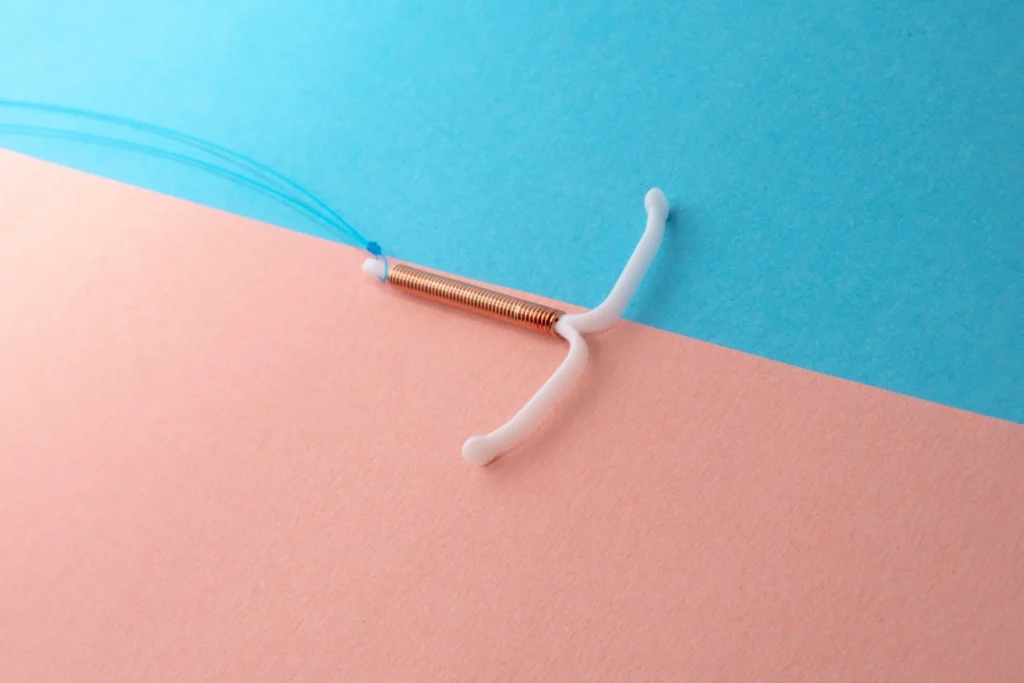
The copper IUD has recently become a much bigger conversation in reproductive health circles. For decades, it was the only hormone-free, long-acting device on the market, but the FDA just approved a new low-dose copper IUD for the first time in more than 40 years.
Copper IUDs work by creating an environment that is hostile to sperm, and they are more than 99 percent effective at preventing pregnancy for up to a decade or longer.
That effectiveness comes with trade-offs, though. Research shows copper IUDs can cause more painful periods for some users, and roughly one in four people who get one have it removed early because of pain or heavy bleeding. That does not mean the copper IUD is a bad choice, but it does mean you should talk through your period history with your provider before committing.
Condoms, diaphragms and cervical caps remain some of the most accessible non-hormonal options out there, and condoms are the only birth control method that also protects against sexually transmitted infections. Used perfectly every time, male condoms are about 98% effective, though typical use brings that number closer to 87 percent. Pairing a barrier method with fertility tracking can boost your odds if you want extra peace of mind without hormones.

If you know you are done growing your family, surgery can offer a permanent hormone-free solution. Tubal ligation closes or blocks the fallopian tubes so that eggs can no longer travel to the uterus, permanently preventing fertilization. The procedure involves some recovery downtime, and it carries a 3 to 5% failure rate, but for people who are certain about their choice, it can be one of the most freeing options on this list.
Withdrawal, sometimes called pulling out, and fertility awareness methods rely on timing rather than devices or hormones, which makes them appealing to some but risky for others. A recent look at U.S. women between the ages of 15 and 24 found that roughly a third relied on withdrawal as their method of choice.
Among that group, more than 1 in 5 experienced an unplanned pregnancy, compared with about 13 percent of women using other contraceptive methods. Pairing this method with cycle tracking or a backup option dramatically improves your odds.
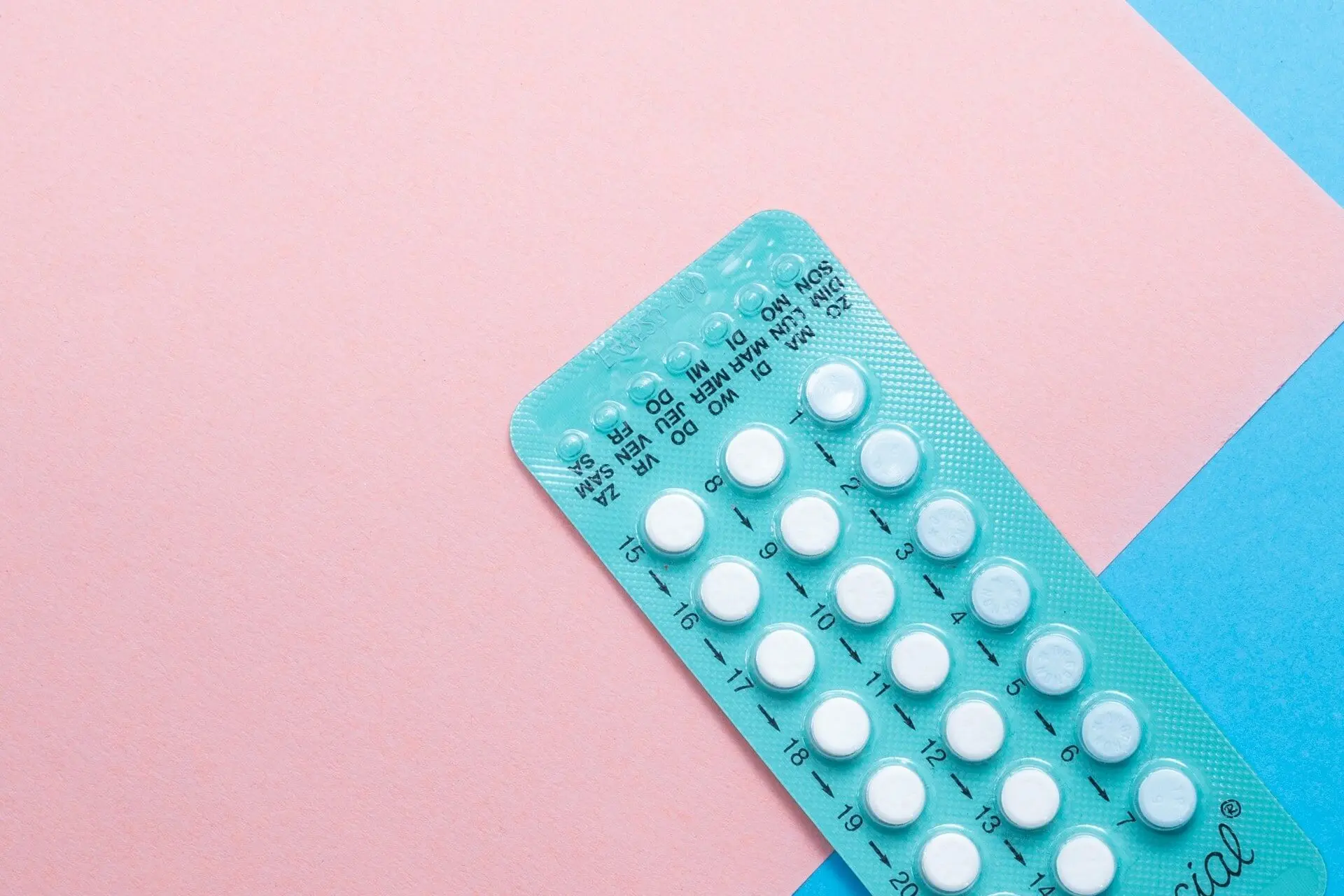
Plenty of people land on non-hormonal birth control after coming off the pill, patch or ring, and your body needs a minute to adjust either way. Regardless of which type of pill you took, you can expect a light period within about a week of your last dose. From there, give yourself roughly three months to settle into a 28-day cycle as your body relearns how to regulate its own hormones.
Switching to a non-hormonal method also means paying closer attention to your fertility timeline if pregnancy is somewhere on your radar. Your age plays a big role in how long you should wait before seeing your OB-GYN.

There is no single best non-hormonal method, only the one that fits your body, your relationship status and your plans for the future. If you want something low-maintenance and highly effective, a copper IUD might be worth a conversation with your provider. If you want flexibility without a procedure, barrier methods or fertility tracking could be a better fit. And if you are certain you are finished having children, permanent surgery is worth exploring, too.
Whatever you choose, remember that going hormone-free does not mean going in blind. Track your cycle, keep tabs on side effects and stay in touch with your doctor so you can adjust course if something is not working.
Your body already knows how to do most of the heavy lifting, and non-hormonal birth control just gives you a way to work with it instead of overriding it. New devices like the low-dose copper IUD prove innovation in this space has not stalled, so you likely have even more hormone-free choices ahead.

Your email address will only be used to send you our newsletter, and at any time you may unsubscribe. For more information, see our Privacy Policy.
