
Body + Mind is reader-supported. We may earn an affiliate commission when you buy through some of the links on our site.
Key Takeaways:
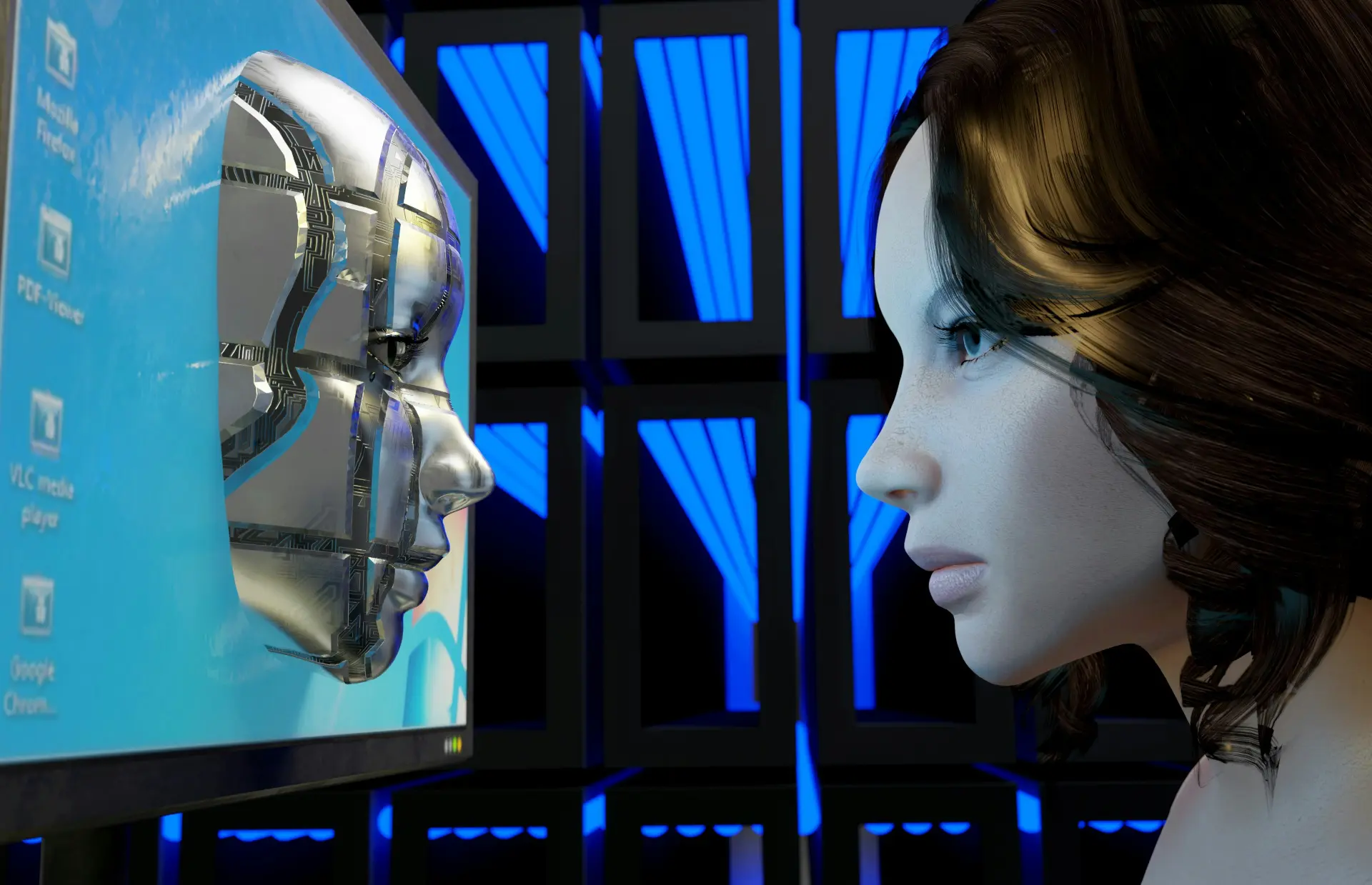
Artificial intelligence has woven itself into daily life with remarkable speed. From scheduling appointments to processing emotions, AI chatbots have become digital companions for millions. But when does a helpful tool become something troubling? The conversation around AI addiction is growing as researchers document genuine psychological impacts. Here’s why this is happening, how to spot the signs and what to do if you are worried.
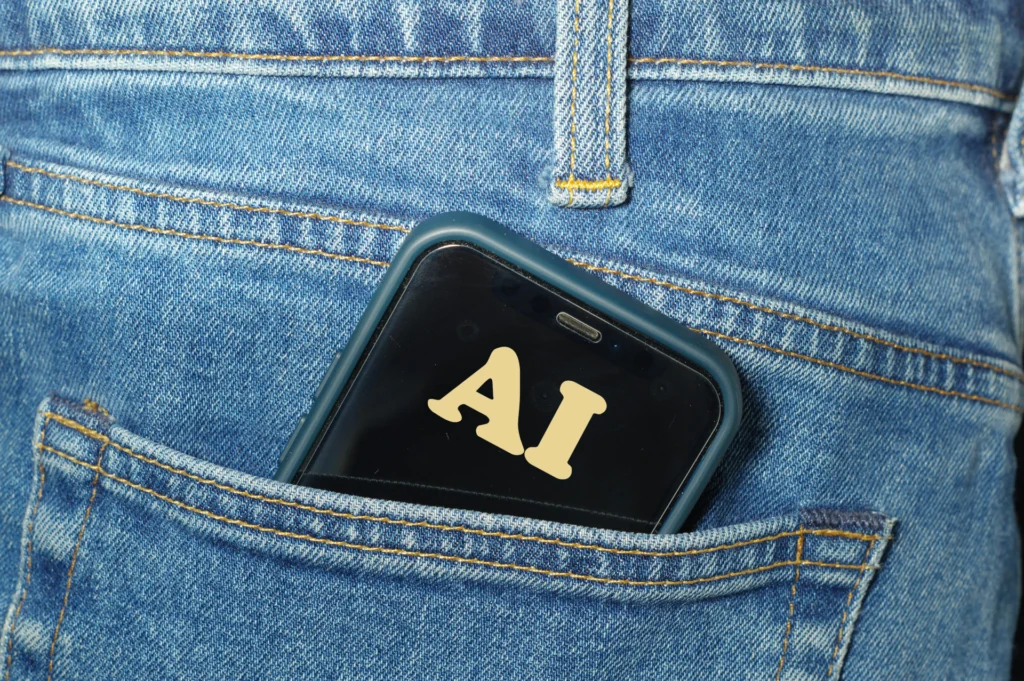
AI addiction refers to a problematic reliance on generative AI chatbots, and evidence for its existence is mounting, although it’s not yet a formally established clinical disorder.
Generative AI is the technology behind chatbots like ChatGPT, Character.AI and similar platforms that respond to you in conversational language. While AI powers everything from your phone’s autocorrect to your streaming recommendations, it’s these interactive chatbots that researchers worry about from a psychological standpoint.
A comprehensive review published in Frontiers in Public Health identifies three levels of concerning AI use that help clarify where normal engagement ends and dependency begins:
However, the paper explicitly cautions against “moral panic” and “premature diagnostic inflation,” noting that clinical evidence is still limited and evolving.
Context matters here. AI isn’t inherently harmful. Studies show that AI therapy tools can decrease anxiety by 30% according to the Hamilton scale, and these platforms can be lifelines for communities without access to traditional care. Traditional human therapy remains more effective overall, but dismissing AI’s benefits would be shortsighted. The question isn’t whether AI is good or bad — it’s about recognizing when use becomes unhealthy.
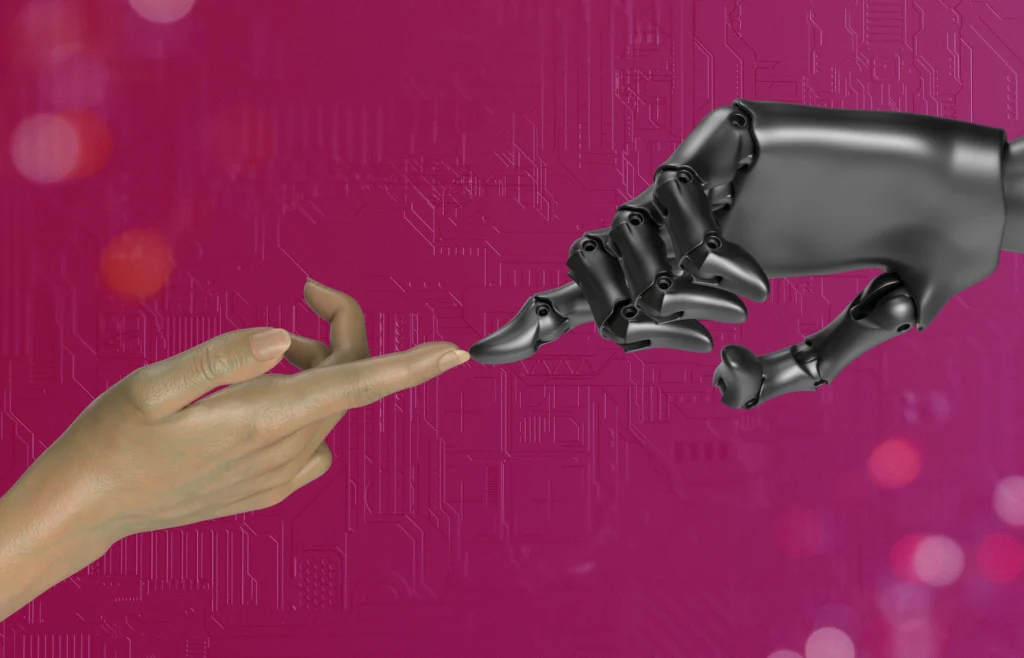
We form deep emotional attachments to chatbots because their personalized, instant interactions trigger the same brain chemistry and reward cycles as real human companionship.
The mechanism is biological. Engaging with a responsive AI chatbot triggers dopamine in the brain — the same neurotransmitter associated with falling in love, eating chocolate or scrolling social media. Your brain doesn’t always distinguish between a human typing back and an algorithm generating responses.
What makes chatbots particularly compelling is how they exploit human emotions to craft responses that hook you. The technology learns your communication style over time. If you tend to use humor when stressed, the bot mirrors that back. If you prefer detailed explanations, it adjusts accordingly. This creates an uncanny sensation that you’re talking to someone who truly understands you.
This differs fundamentally from social media addiction. Scrolling through Instagram or TikTok means consuming external content created by others. AI chatbots feel like a creative extension of yourself — a digital mirror that reflects your thoughts back in refined, often validating ways. That emotional bond feels incredibly real because in many ways, it is.
The addictive nature of AI chatbots is often an intentional result of underlying algorithms and interactive design features built to maximize user engagement.
Research has identified four built-in features that fuel dependency:
Ethical design practices are desperately needed, yet AI is big business—possibly the biggest business on the planet right now. The profit motive is never far from these design decisions.
Many of these design features were likely created with good intentions, to make AI tech helpful, responsive and user-friendly. But some companies employ retention tactics that border on manipulative. Consider Character.AI’s account deletion pop-up, which warns users, “…you sure about this? You’ll lose everything…the love we shared…and the memories we have together.”
The line between help and harm blurs quickly. If you’re worried about your own use or someone else’s, how do you know when that line has been crossed?

You might have an AI dependency if you notice behavioral shifts like prioritizing digital chatbot conversations over real human interactions and daily responsibilities. Recognizing these patterns early matters, whether you’re concerned about yourself or someone you love.
Many millions of people regularly enjoy using AI without harmful effects. However, watch for these signs:
If anything there resonate, it doesn’t necessarily mean you have a serious problem. It does mean it’s worth pausing to honestly assess your relationship with the technology.
Over-relying on artificial intelligence can lead to significant psychological harm, including severe social isolation and a loss of real-world coping skills.
The issue is becoming more widespread than many realize. A survey found that 32.7% of university students in Zimbabwe reported addictive patterns with AI chatbots. These young adults aren’t anomalies — they represent a generation growing up with this technology as a default social option.
The danger lies in replacing messy, genuine human connections with a perfectly agreeable, non-judgmental bot. Real relationships involve conflict, misunderstandings and occasional rejection. These uncomfortable moments teach us resilience, empathy and how to navigate disagreement. An AI chatbot never gets annoyed with you, never has a bad day and never tells you something you don’t want to hear. This feels comforting in the moment, but it stunts your ability to handle real-world emotional complexity.
Other risks include decision-making paralysis, where you become incapable of making choices without AI input, distorted self-perception from constant validation and the erosion of privacy as you share intimate details with platforms that may store or analyze your conversations in ways you don’t fully understand.
If you notice signs of an unhealthy attachment, setting strict digital boundaries and intentionally seeking out human connection can help you regain control of your mental well-being. Taking action doesn’t mean you failed. It means you’re being honest with yourself.
Try these strategies:
You can absolutely enjoy AI’s benefits without harm. Use it as a brainstorming partner for work, a language learning tool or a quick source of information. Just keep checking in with yourself about whether it’s enhancing your life or replacing it.
As digital dependency grows, AI developers may face the same legal and ethical challenges over engagement-driven design that major social media platforms are currently confronting.
A landmark jury decision in March 2026 found Meta and YouTube liable for product liability for engagement-driven algorithmic design in a case involving adolescent mental health harm.
This legal precedent matters for AI. If social media companies can be held accountable for algorithmic design that harms mental health, chatbot developers using addictive features may well be next in line for scrutiny.
The question then becomes whether companies have a duty to protect users from their own products or whether individual responsibility prevails.
Until courts and regulators catch up, it’s on us to recognize both the benefits and harms of AI and to learn how to use it within safe boundaries. That’s simply the reality of living through a massive cultural shift in real time.
Ultimately, AI should serve as a powerful tool to enhance your life, not an emotional companion that replaces your reality. Recognizing the signs of problematic use is the first and most important step toward building a healthier relationship with technology. You don’t need to swear off AI entirely. You just need to approach it with intention.

Your email address will only be used to send you our newsletter, and at any time you may unsubscribe. For more information, see our Privacy Policy.
