


Body + Mind is reader-supported. We may earn an affiliate commission when you buy through some of the links on our site.
Sleep is vital to people’s health. As a result, many are optimizing their sleep to feel mentally clear the next day. Examples are setting a no-screen time before sleep, ensuring a cool room temperature and taking in supplements that promote relaxation. One of the most widely used sleep supplements is magnesium. What is the best magnesium to take for insomnia?
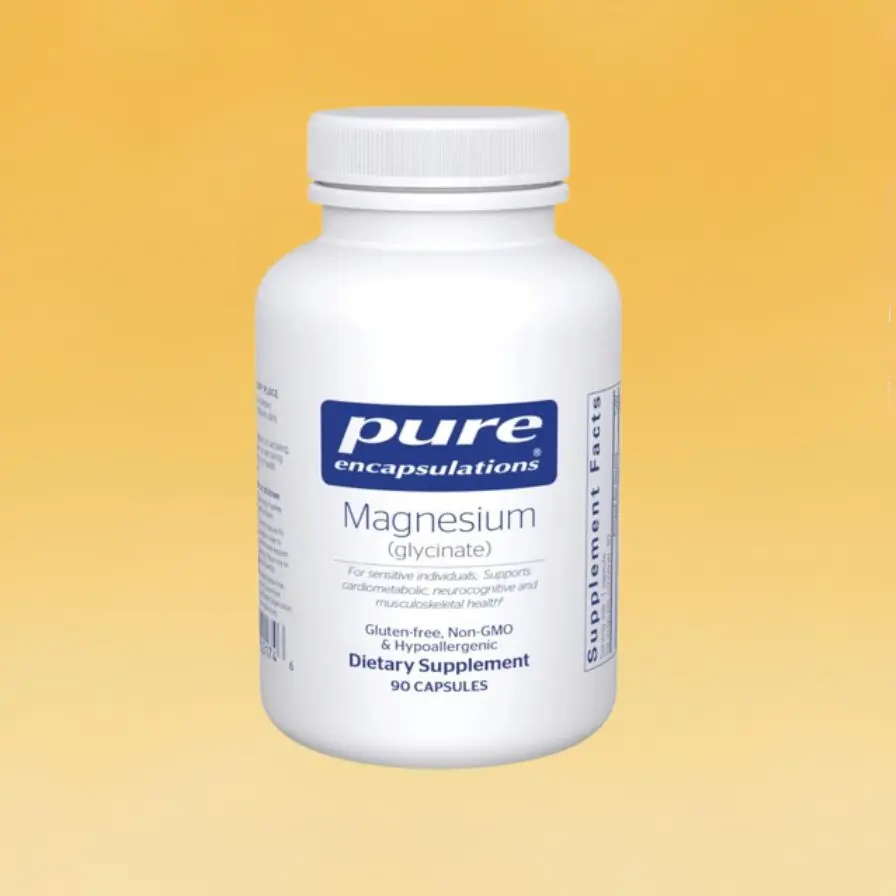
Magnesium Glycinate from Pure Encapsulations is a good supplement to add to your routine. The company has been operating for more than 30 years and has published 50 clinical studies. It is also the most recommended supplement brand among healthcare professionals in a 2023 Nutrition Business Journal survey.
This product contains 90 capsules and is non-GMO and gluten-free. Pure Encapsulations also offers 180- and 360-count bottles.

Pink Stork Magnesium Glycinate with Vitamin D is specifically formulated for women to promote hormone balance. The business is women-owned and women-run, built to raise the standards for women’s health. This third-party-tested product contains 60 capsules. It doesn’t contain gluten, soy or dairy ingredients.
The additional Vitamin D is especially important for strong immune function and healthy bones. It is touted to promote brain calmness and better sleep quality. It can also help prevent fatigue, muscle cramps and mood changes.
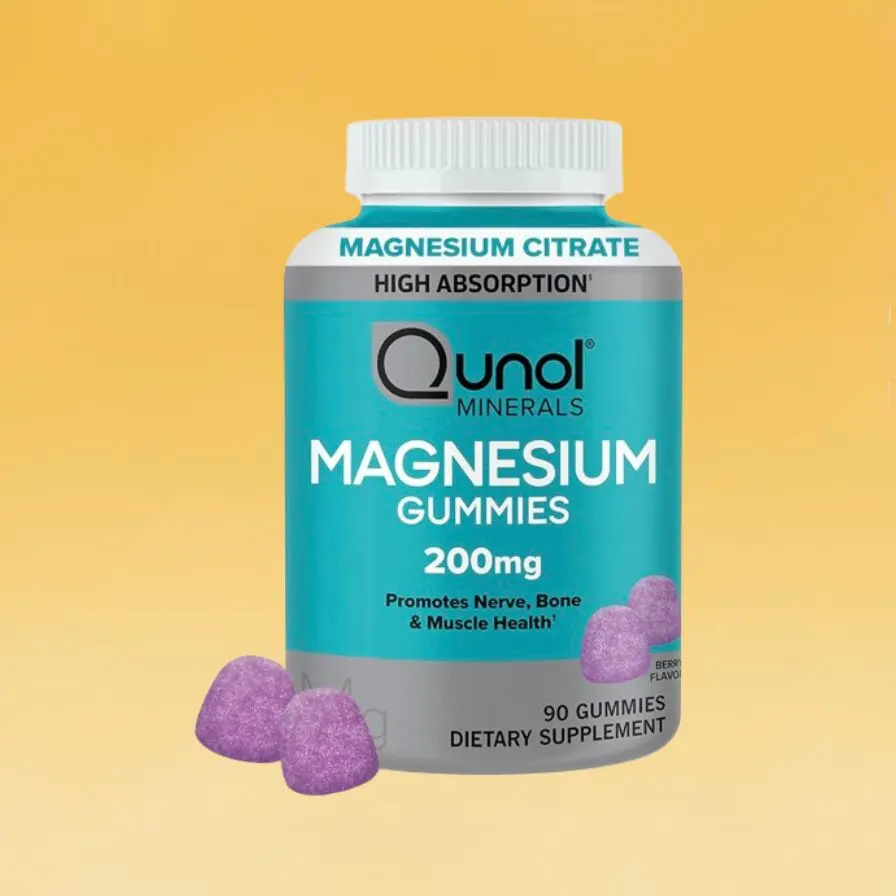
Magnesium gummies are a great option for getting your daily recommended magnesium in the form of a sweet treat. This product offers 200mg of elemental magnesium per serving. The berry-flavored gummies do not contain artificial colors or sweeteners and are sweetened with organic tapioca syrup and sugar.
Each gummy contains three grams of added sugar and 20 grams of carbohydrates. It is both gluten-free and vegetarian. The enterprise also offers 120-count bottles.
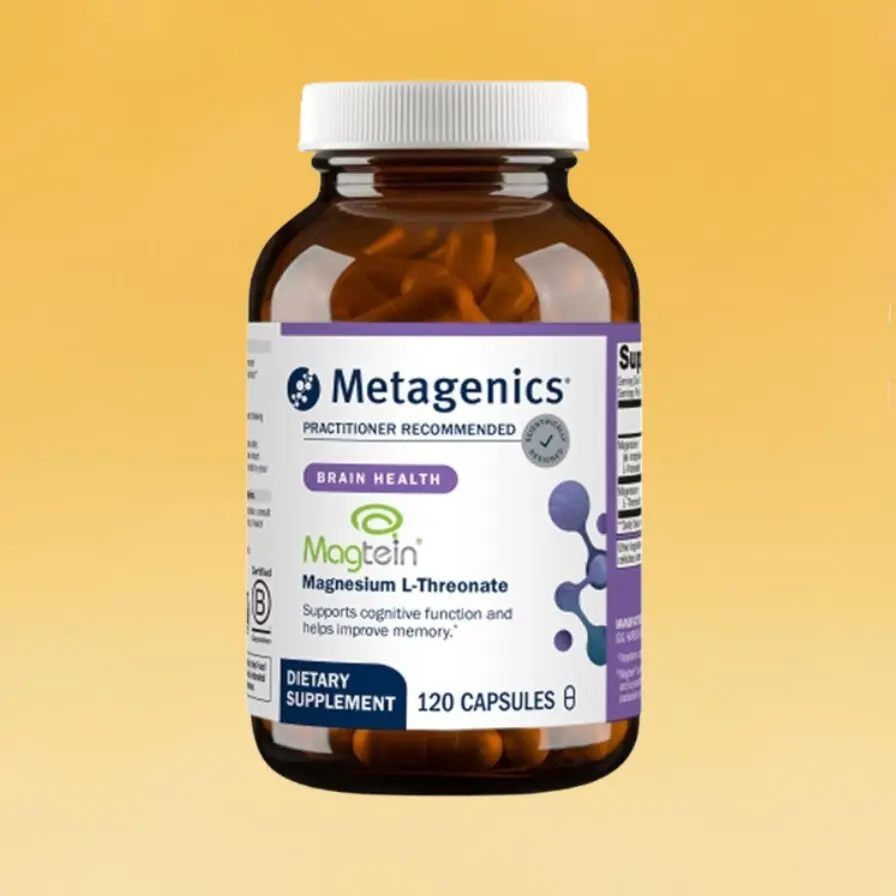
Metagenics’ Magnesium L-Threonate supplement comes in a 120-capsule bottle. It is a certified B corporation and is produced in a Current Good Manufacturing Practice facility. Additionally, the product is third-party tested and has ingredient traceability.
Many medical practitioners recommend this brand for its trustworthiness and reliable results. The recommended dose is up to three capsules every day. It is non-GMO, gluten-free and vegan.
Here are the best kinds of magnesium for sleep, along with their unique properties and strengths.
Many medical professionals recommend magnesium glycinate for sleep optimization. This is because glycine acts as a calming neurotransmitter, enhancing magnesium’s own calming effects. This makes it highly effective for lowering anxiety and calming the mind before sleep. It also supports muscle functioning.
However, it’s important to consult medical professionals before adding a new supplement to your diet, especially for people with kidney diseases.
Magnesium citrate is known for its good bioavailability. It has an osmotic effect, drawing water into your bowels and promoting gastrointestinal health. Magnesium citrate also offers relaxation effects. However, it should be managed thoughtfully as it can cause digestive issues when used incorrectly.
Magnesium L-threonate is widely regarded for its ability to cross the blood-brain barrier, which is typically highly impermeable. It is a newer and patented form of magnesium.
It can increase magnesium levels in your brain, which greatly improves cognitive health, memory and neuroplasticity. It is also able to calm the brain, especially for those with racing thoughts and anxiety.
There are other forms of magnesium that are less well known than the previous three. Magnesium oxide has poor bioavailability, even though it is high in elemental magnesium. As such, it doesn’t help much with sleep support or with alleviating magnesium deficiency. Instead, it is used as a laxative.
Another one is magnesium malate. This type of magnesium is bound to malic acid. It can be energizing for some, which is why many people take it in the morning rather than before sleep.
Here are the most frequently asked questions about using magnesium to optimize sleep.
Yes. Magnesium is recommended for people with the MTHFR gene mutation. It is included in the treatment list for methylation issues along with other nutrients such as calcium, vitamin B6, vitamin C, zinc and methionine. However, it’s best to consult your doctor for more personalized medical advice.
GLP-1 agonists may cause digestive side effects. Currently, there are no major known contraindications, but it is still critical to consult your prescribing doctor before adding any new supplements to avoid potential negative interactions. You can include whole, complex carbohydrates such as pasta and rice to improve your magnesium levels and keep you asleep.
Strength can be measured through a medicine’s bioavailability and targeted effect. Both magnesium glycinate and magnesium L-threonate are strong in these areas. Glycinate is especially effective for calming the nervous system, while L-threonate is highly effective in crossing the blood-brain barrier.
Pair taking supplements with good sleep hygiene. For example, setting your room temperature between 60° and 67°F can help you fall asleep more easily.
Magnesium glycinate is objectively better for helping treat insomnia, as it calms the nervous system. However, taking too high a dose at night can cause digestive discomfort.
Achieving restorative sleep is crucial for your overall health. Magnesium is a safe and powerful mineral that addresses typical barriers to rest, like anxiety and an overactive mind.
Different kinds have different strengths. The best magnesium for sleep depends on your needs. If you found this information helpful, share it on Threads or X to help the other sleep-deprived scrollers out there.

Your email address will only be used to send you our newsletter, and at any time you may unsubscribe. For more information, see our Privacy Policy.
