
Body + Mind is reader-supported. We may earn an affiliate commission when you buy through some of the links on our site.
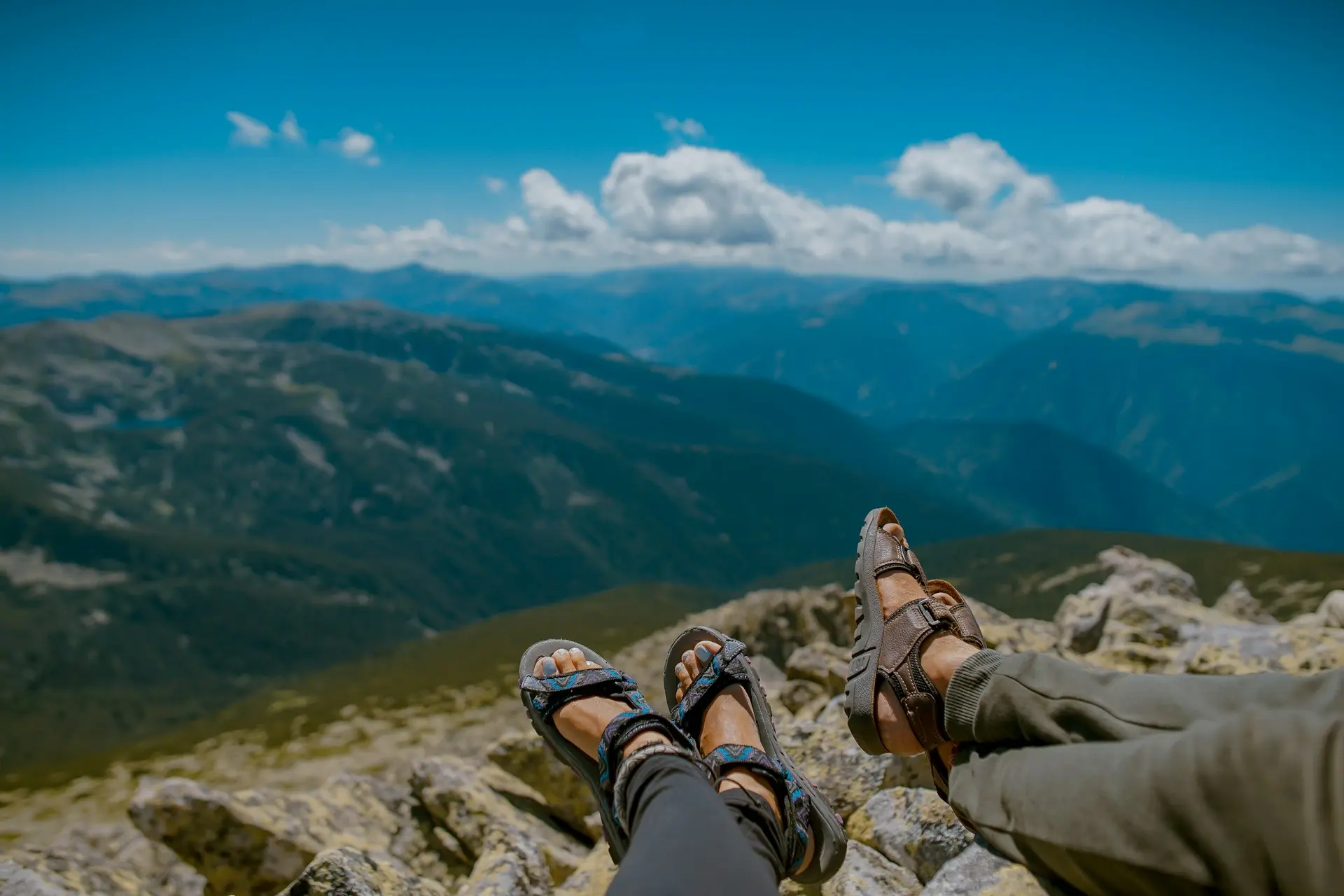
The best hiking sandals give you more airflow than hiking shoes while still offering the traction and support you need on the trail. They can be useful in hot weather, on water-heavy hikes or when you simply don’t want to spend the day in a pair of boots. The catch is that not every sandal is made for hiking. You need to carefully choose between a pair made for casual walks and one that can handle slippery rocks, steep climbs and regular water crossings.
Here are the five best hiking sandals for your next adventure.
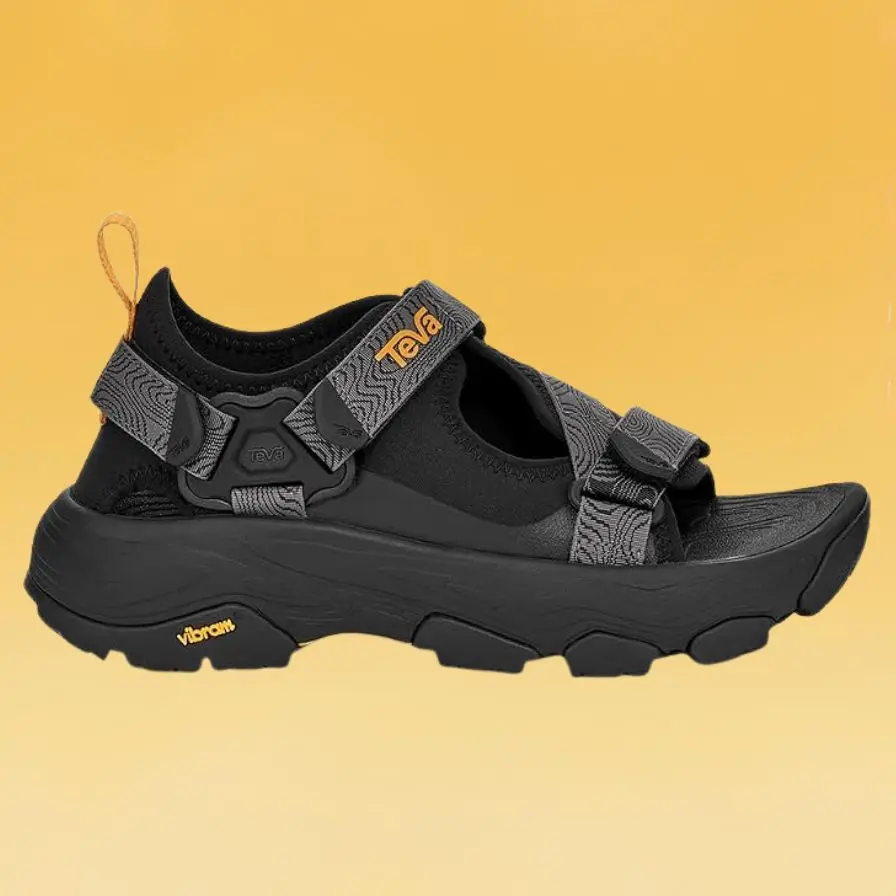
The Teva Grandview Max strikes a sweet spot between the support of a hiking shoe and the openness of a sandal. It comes in versions for both men and women and has the best grip and support of any hiking sandal tested. One of its biggest strengths is cushioning. The LITE-COMF midsole gives the sandal a soft, cushioned feel, and the comfortable upper provides more coverage and protection than most open-toed hiking sandals.
The sandals also come with the Vibram MegaGrip outsole, which provides excellent traction on wet and dry trails. This makes the Grandview Max a versatile choice for hiking and water activities. Thanks to their mudguard and Achilles pad, the sandals provide lateral protection and extra heel support as well. Plus, the external W Strapping System helps create a secure, adjustable fit, and moisture-wicking materials help keep feet cool and dry.
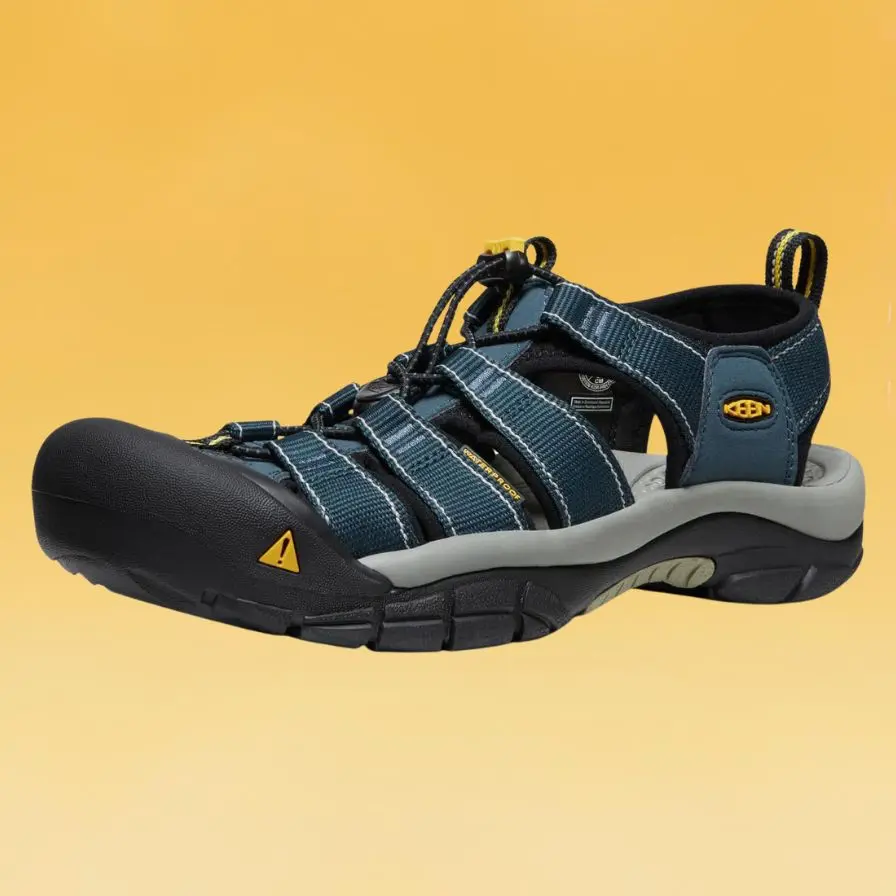
If you’re worried about smashing your toes against a rock, the Keen Newport H2 has you covered. Its closed-toe design gives you significantly more protection than the other sandals on this list, but it still lets you enjoy the freedom and airflow of sandal-style footwear. That’s why it’s an amazing choice if your hikes involve rough terrain. You can walk over rocky trails and around roots without having your toes completely exposed. It can also handle water, so you won’t need to change shoes every time your route crosses a stream.
The support underfoot makes the Newport H2 comfortable enough for full days outside. Its outsole isn’t the most aggressive, but the siped tread helps you maintain traction when you’re walking across wet rocks. You’ll notice the extra protection comes with extra weight. That’s less of a concern on a day hike than when you’re carrying the sandals in your backpack. Go for these sandals if your ideal adventure involves a mixture of rocky trails and water crossings, and you want your toes to stay protected.
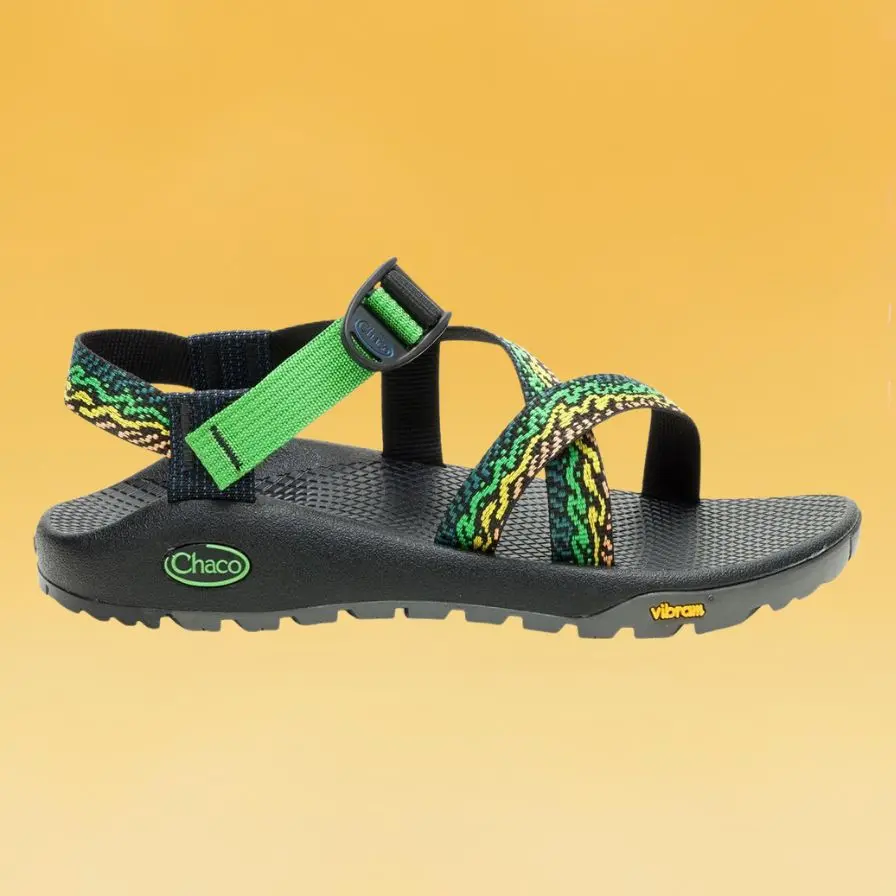
Sometimes, you just don’t want an upper covering your feet but still expect your sandals to work hard. In those cases, take a look at the Chaco Z/1 Rapid Pro. Its open design gives you that breezy sandal feel, but the distinctive Z-shaped straps keep your feet surprisingly secure. You can move across uneven ground without constantly feeling like your sandal is slipping sideways. The straps wrap around your foot in multiple directions, providing more support than you’d expect from such an open design.
The Vibram MegaGrip outsole is another reason to take these on more demanding hikes. If your route involves wet rocks or stream crossings, you’ll appreciate the extra traction. They perform particularly well on slick surfaces but still feel secure underfoot. You’ll also get substantial arch support from the LUVSEAT footbed. That’s great news if you have high arches and prefer a supportive sandal, although the firmer construction may not suit everyone.
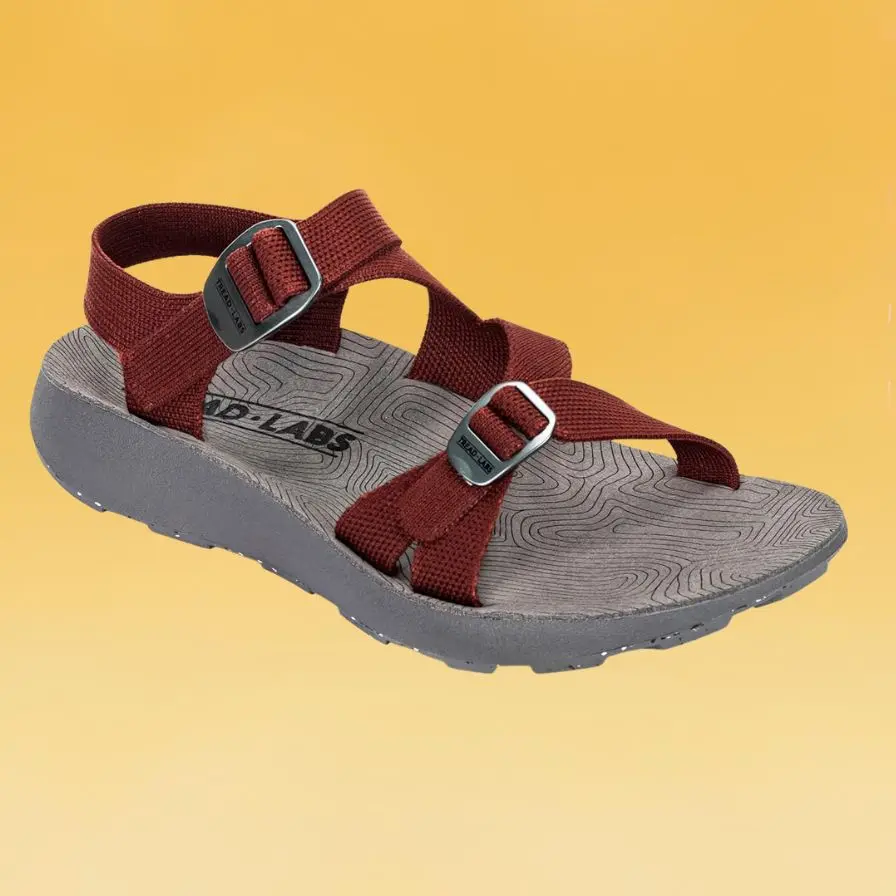
If your feet tend to complain before you do, the Tread Labs Redway deserves a look. These sandals put comfort and arch support front and center, so they’re great for long walks, easier hikes and travel days when you’ll be on your feet for hours. The footbed is supportive, but not overly firm. Additionally, there’s microfiber suede for a soft surface to walk on.
Getting the fit right is easy, too. You can adjust the straps around both your foot and ankle to tighten them enough to feel secure without squeezing your feet. The soft knit straps are also less likely to feel abrasive than some traditional sandal straps. Just don’t expect the same level of trail grip as the Teva or Chaco. The Redway works well on easier terrain, but you may want something more aggressive for steep or technical hikes.
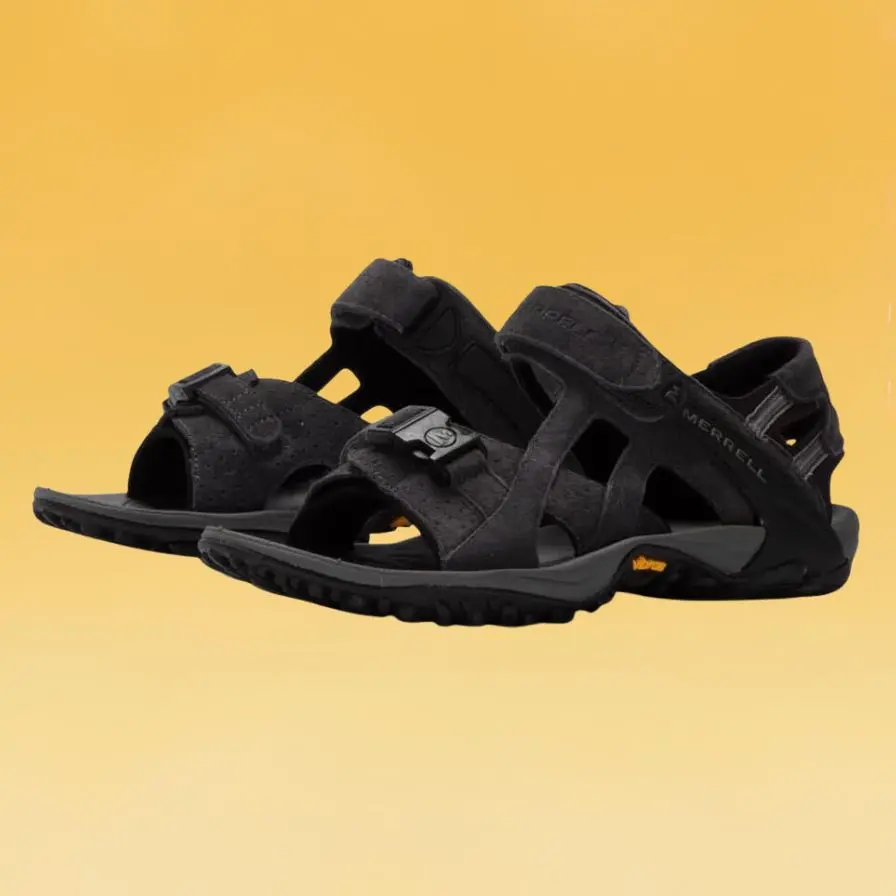
Looking for a pair of sandals that can handle a long day on your feet? The Merrell Kahuna III is worth considering. They look fairly rugged, but they feel lighter and more agile once you’re moving. Therefore, they’re suitable for both trails and lengthy walks around town. You get plenty of cushioning underfoot, with an EVA foam midsole and a Merrell Air Cushion in the heel that helps absorb impact and add stability. You’ll find it useful when you’re spending several hours walking over hard or uneven surfaces.
The secure fit also makes the Kahuna III easy to trust on changing terrain. Adjustable straps hold your foot in place, and the Vibram TC5+ outsole gives you reliable traction when you leave smoother paths behind. These sandals don’t offer much protection around the toes, though, so you’ll want to keep that in mind if your usual trails are full of rocks and roots.
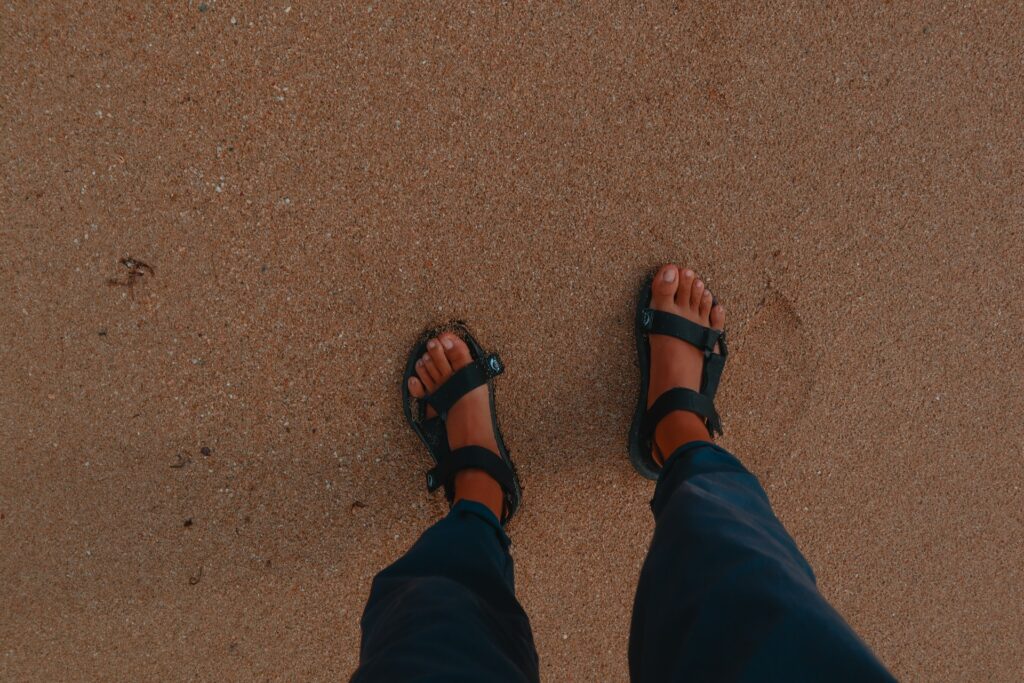
A good hike should leave you tired in a satisfying way, not wondering why your feet have filed a formal complaint. Hiking can support your cardiovascular health and reduce your risk of some chronic diseases. It can improve your mood, too. Research suggests that 120 minutes of outdoor activity can leave you feeling happier and less stressed.
However, it’s important to wear the right sandals to get the benefit. They need to help you stay comfortable and steady when the trail gets uneven, wet or steep. Keep these points in mind when you shop:
It’s important to take this seriously for your safety, too. The National Park Service said that 50% of reported deaths in national parks result from unintentional causes, with falls and drownings ranking among the leading causes. Your sandals won’t turn you into a mountain goat, but the right pair can give you better footing and support for the terrain you’re tackling.
Hiking sandals can make a hot, sweaty trail feel a lot more manageable, but comfort shouldn’t come at the expense of stability. Think about where you hike, how far you usually go and what your feet need for the journey.
Your email address will only be used to send you our newsletter, and at any time you may unsubscribe. For more information, see our Privacy Policy.
