
Body + Mind is reader-supported. We may earn an affiliate commission when you buy through some of the links on our site.
TL;DR: There are many explanations for chest pain during periods, from hormonal changes, breast tenderness and muscle tightness to anxiety and other underlying health conditions. You can reduce pain with heat, gentle movement and more natural remedies.
If you’ve ever felt an ache, tightness or sharp discomfort in your chest right before or during your cycle, you’re not alone. Chest pain during periods is something many women experience, yet it’s rarely talked about openly. It can be unsettling, especially when anything involving the chest immediately raises concerns about your heart.
In many cases, chest pain during your period is linked to natural hormonal shifts in your body. However, common doesn’t always mean harmless, and understanding what your body is trying to tell you is key.
Experiencing chest pain can feel confusing, especially when the causes aren’t always obvious. In most cases, it’s linked to natural changes in your body, but understanding the possible explanations can help you feel more in control.
Your menstrual cycle is driven by fluctuations in estrogen and progesterone. These hormones influence your entire body, including your uterus, chest muscles, breast tissue and nervous system.
Right before your period, estrogen levels drop while progesterone rises and then falls. This hormonal roller coaster can lead to inflammation, water retention and increased sensitivity. As a result, what feels like chest pain during periods may actually be your body reacting to these internal shifts rather than a direct problem with your heart.
Some women describe it as soreness or pressure, and a few even feel sharp, fleeting pains. The experience varies, yet the hormonal trigger is often the same.
During your cycle, your breasts can become swollen, tender or lumpy due to fluid retention and hormonal changes. This condition, often referred to as cyclical breast pain, can sometimes radiate into the chest area.
It’s easy to confuse this with deeper chest pain, especially if the discomfort spreads toward your armpit or upper torso. The tissue in this region is interconnected, so inflammation or sensitivity in one area can affect the entire region. If your discomfort feels more surface-level or worsens when you press on the area, it’s likely linked to breast tissue rather than something more serious.
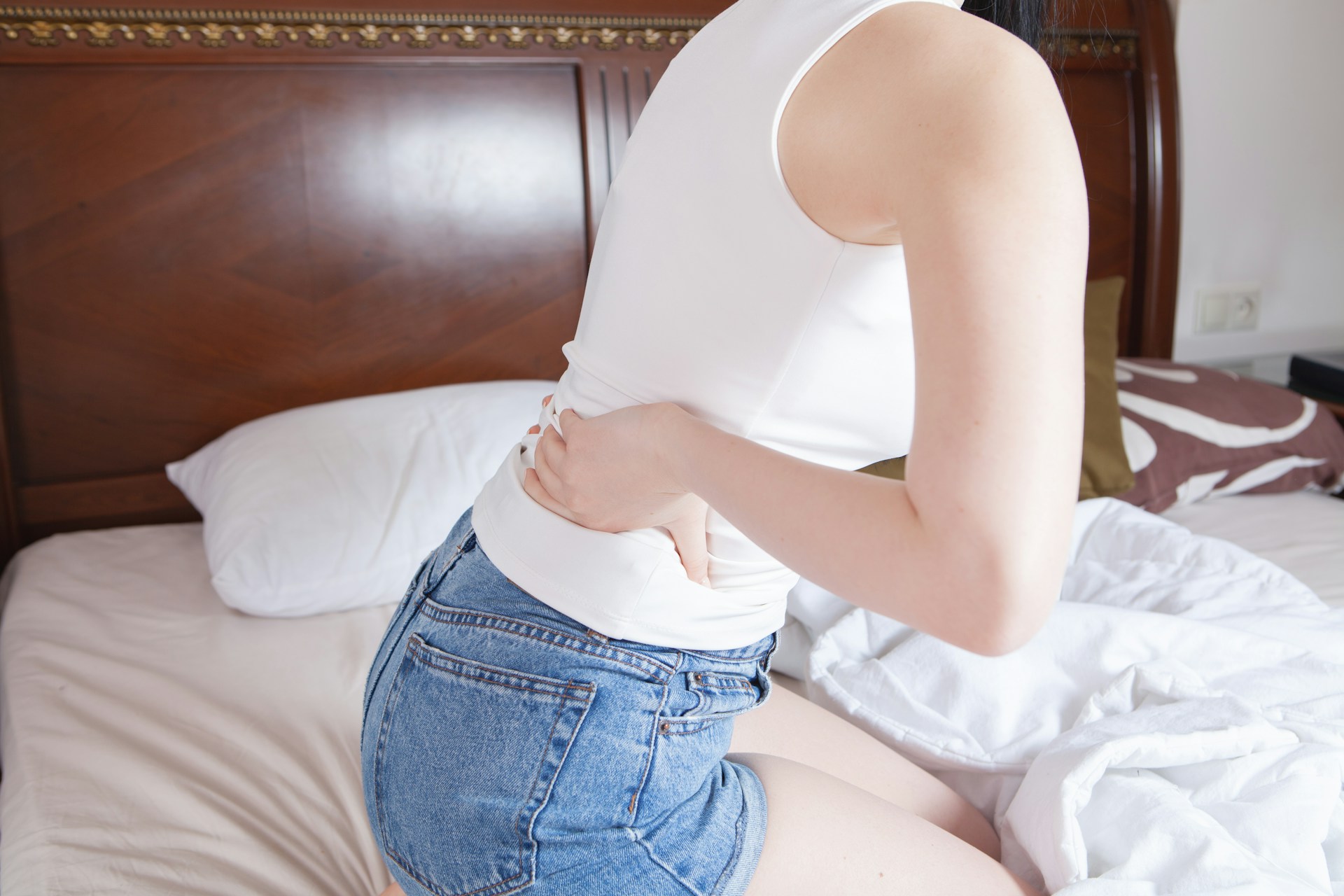
Women tend to associate menstrual cramps with the lower abdomen, but muscle tension can occur throughout the body. Prostaglandins, hormone-like chemicals released during your period, cause muscles to contract. While their main job is to help the uterus shed its lining, they can also affect nearby and even distant muscles.
This can lead to tightness in your chest wall or ribs, especially if you’re already prone to tension or stress. In some cases, chest pain during periods is actually musculoskeletal, meaning it’s coming from the muscles and not your organs. The pain may feel worse when you move, stretch or take a deep breath.
Your period impacts your mood and mental state, too. Hormonal changes can heighten anxiety, making you more aware of physical sensations that you might otherwise ignore.
When you’re anxious, your breathing becomes shallow, and your chest muscles may tighten. This creates a feedback loop. You feel discomfort, you worry about it and the worry makes the discomfort worse.
While hormones are the most common explanation, there are other factors that could contribute to chest discomfort during your cycle:
Each of these can either mimic or contribute to chest pain during periods, so it’s worth paying attention to patterns and severity.
Fortunately, there are simple, natural ways to ease the discomfort. You don’t always need medication. Sometimes, small lifestyle adjustments can make a noticeable difference.
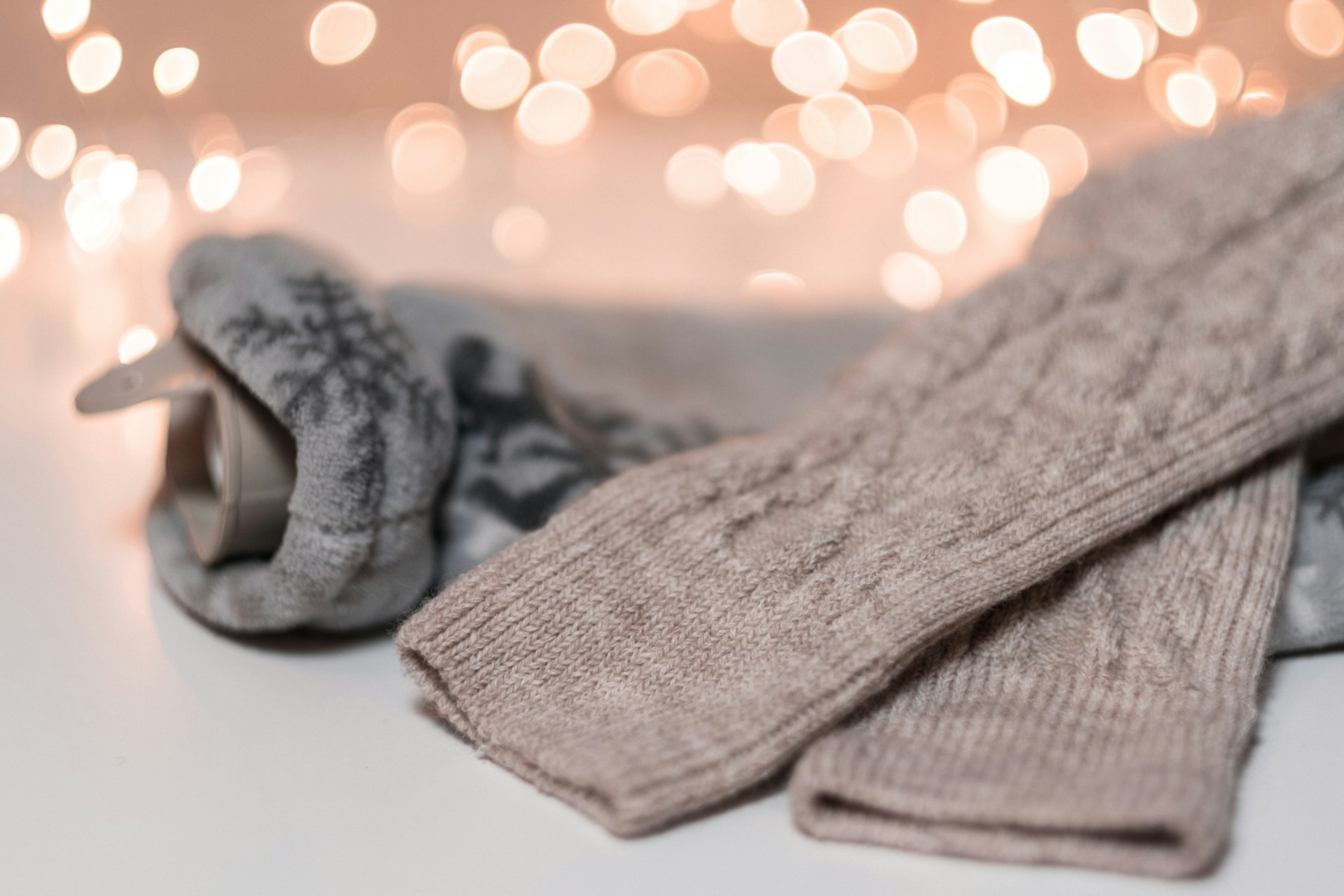
Start with heat. A warm compress or heating pad placed on your chest can help relax tight muscles and improve blood flow. It’s surprisingly effective, especially if your pain is linked to tension or inflammation. Even a warm shower can do the trick on days when everything feels a little more sensitive.
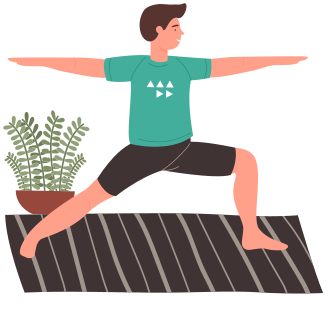
Gentle movement also helps more than you might expect. Light stretching, yoga or a short walk can reduce stiffness and release built-up tension in your chest and shoulders. When your body is already feeling off, intense workouts might not be appealing, but low-impact movement can actually bring relief.
What you eat during your cycle matters. Cutting back on caffeine and salty foods can reduce bloating and tenderness. Magnesium-rich foods like leafy greens, nuts and dark chocolate may help relax muscles and regulate nerve function. Staying hydrated is just as important, as it helps minimize fluid retention that can contribute to that heavy, uncomfortable feeling.

Stress plays a quiet but powerful role. Deep breathing exercises, meditation or taking a few minutes to slow down can help you relax and calm your nervous system. Since anxiety can amplify chest pains during periods, even small moments of relaxation can make a difference.
If you experience chest pain during your period for the first time, go to the emergency room. Even if doctors determine you don’t have cardiovascular disease, you will at least rule out the possibility. If you do have an underlying problem, prompt treatment will improve your outcome.
Your ER doctor will likely order an electrocardiogram (ECG or EKG) to rule out a heart attack. This test consists of sensors placed on your skin. They may perform a D-Dimer test to rule out a blood clot or a CAT scan to check your lungs. The contrast dye can make you feel a little icky — like you have to pee — but the sensation passes quickly.
If your tests prove concerning, your physician may refer you to a cardiologist for further evaluation. They’ll only hospitalize you if you’re at risk of imminent harm. Either way, maintaining a healthy weight and quitting smoking reduces your risk of future cardiovascular events.
Chest pains during periods feel scary, but in many cases, they don’t mean you suffer from heart problems. By seeking early care and making positive lifestyle changes, you can improve your health and relieve pain.
Learn more about why you experience chest pain during your cycle.
Yes, in many cases it is. Hormonal fluctuations can cause breast tenderness, muscle tension and inflammation, all of which can cause chest pain. However, if the pain is severe, unusual or persistent, it’s important to get checked by a doctor.
It’s unlikely, especially in otherwise healthy individuals. Most chest pain is hormonal or musculoskeletal. However, symptoms like shortness of breath, dizziness or pain spreading to your arm or jaw should never be ignored and require immediate medical attention.
It usually begins a few days before your period and eases once your cycle starts or ends. The duration varies, but it is typically temporary and follows a predictable pattern tied to hormonal changes.
Originally published November 27, 2019. Updated April 1, 2026.
Your email address will only be used to send you our newsletter, and at any time you may unsubscribe. For more information, see our Privacy Policy.
