

Body + Mind is reader-supported. We may earn an affiliate commission when you buy through some of the links on our site.
Anxiety can pull you from the present moment, leaving your thoughts racing while your body feels tense and on high alert. While there’s no single solution, simple physical tools may help you regain a sense of calm as those feelings build.
Cold water therapy for anxiety offers one possible way to shift your attention back to your body by influencing some of the physiological processes involved in your stress response. From splashing your face with icy water to taking a cold shower, you can explore different forms of cold exposure and find an approach that feels manageable for you.
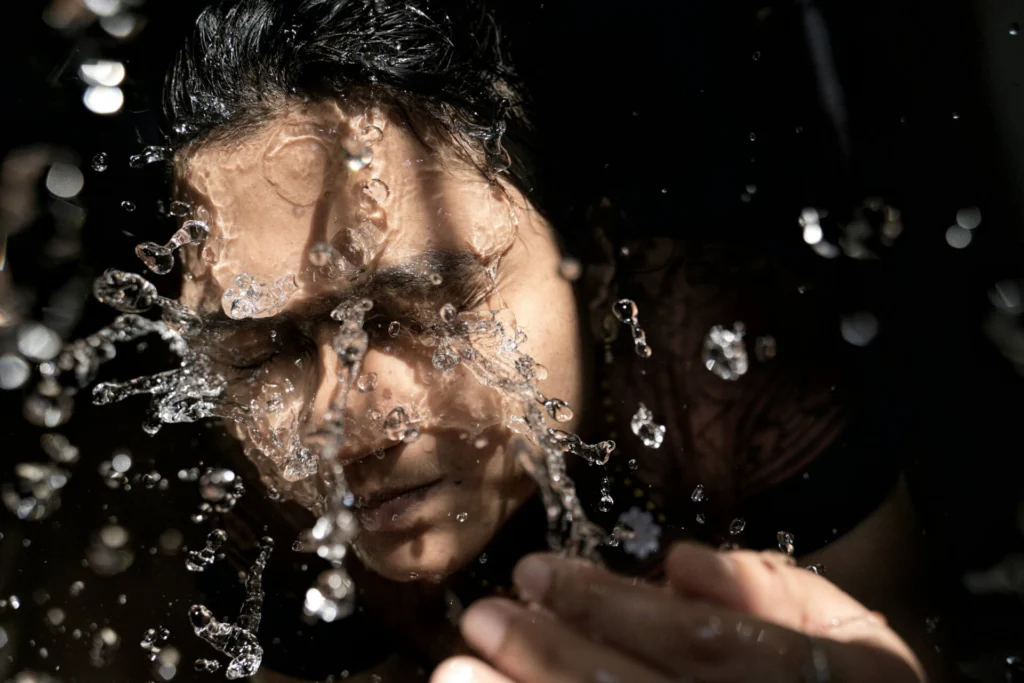
When you feel anxious, your sympathetic nervous system can kick into action as part of your fight-or-flight response. Your heart may beat faster, your breathing can change and stress hormones prepare your body to respond to a perceived threat. Those physical changes can sometimes feed into anxious feelings, creating a cycle that’s difficult to interrupt.
Cold exposure triggers an immediate physical response. You may gasp, breathe faster and notice your heart rate change as your body adjusts to the sudden temperature shift. Once that initial shock response passes, cold exposure may influence the autonomic nervous system in other ways.
A 2024 review found that cold exposure may improve parasympathetic activity, reducing nervousness and helping your body regulate itself after periods of heightened activation. Researchers observed changes in heart rate variability and a small reduction in heart rate following exposure. These findings help explain the interest in vagus nerve stimulation for anxiety, although definitive research hasn’t yet established cold exposure as a direct treatment for anxiety.
Cold water also affects hormones and neurotransmitters involved in your stress response. Your body initially releases norepinephrine during cold exposure, which contributes to alertness and your ability to respond to the cold. One small study also found lower cortisol and improved negative mood up to three hours after a 15-minute cold-water immersion session.
The wider evidence remains mixed. A 2025 systematic review found that cold water immersion reduced perceived stress 12 hours after exposure, but researchers didn’t find a significant reduction immediately afterward or at several other measured intervals. The review also found some improvements in sleep and quality of life, while noting that more high-quality research is needed.
Think of cold exposure as one possible wellness practice rather than as a magic cure for anxiety. For some people, even the intense physical sensation itself can offer a temporary point of focus when anxious thoughts feel overwhelming.

You don’t need to jump straight into an ice bath for anxiety. Cold exposure ranges from brief, approachable techniques to full-body immersion. Starting with a method that feels comfortable can give you room to learn how your body responds. While cold therapy is often used in sports recovery to increase blood flow and oxygen delivery, its effects on the nervous system vary from person to person.
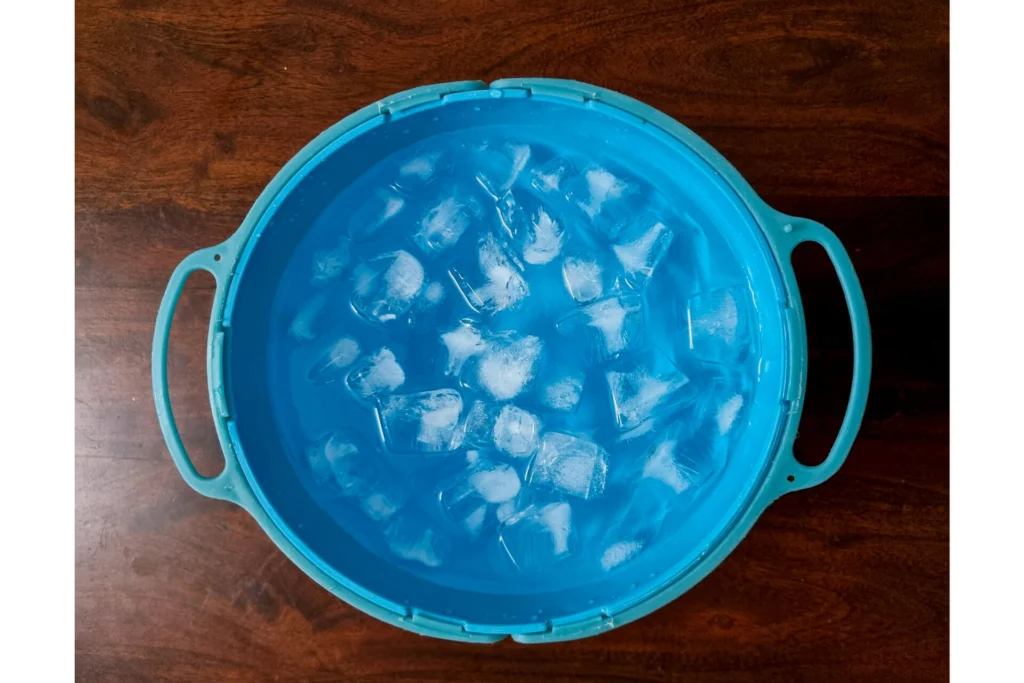
Fill a bowl with cold water, add a few ice cubes and briefly immerse your face while holding your breath. Facial contact with cold water can trigger the mammalian diving response, an automatic reaction that affects heart rate and circulation.
Keep the immersion short — around 15-30 seconds — and lift your face immediately if you feel uncomfortable. You can also begin with cool rather than icy water.
A cold shower is one of the most accessible ways to experiment with cold exposure because you can control both the temperature and duration. It’s also an excellent way to boost your energy, as even 90 seconds of cold water after your usual shower can increase blood flow and leave you feeling refreshed.
To relieve anxiety, take your usual shower, then gradually turn the temperature down for the final 30 seconds. As you become more comfortable, you can extend the cold portion toward 90 seconds or slightly longer. Focus on keeping your breathing steady rather than making the water as cold as possible. The tingly sensation in your extremities, which is nerve endings firing during cold-water exposure, is thought to alleviate symptoms of depression and may help you feel more positive heading into the day.
A cold compress offers a gentler option when full immersion feels like too much. Soak a washcloth in cold water, wring it out and place it on your face or neck for a short period.
The cooling sensation can give your attention something immediate and physical to focus on. While you may see claims that placing ice on your neck directly stimulates the vagus nerve, research hasn’t established that a cold compress works as targeted vagus nerve stimulation.
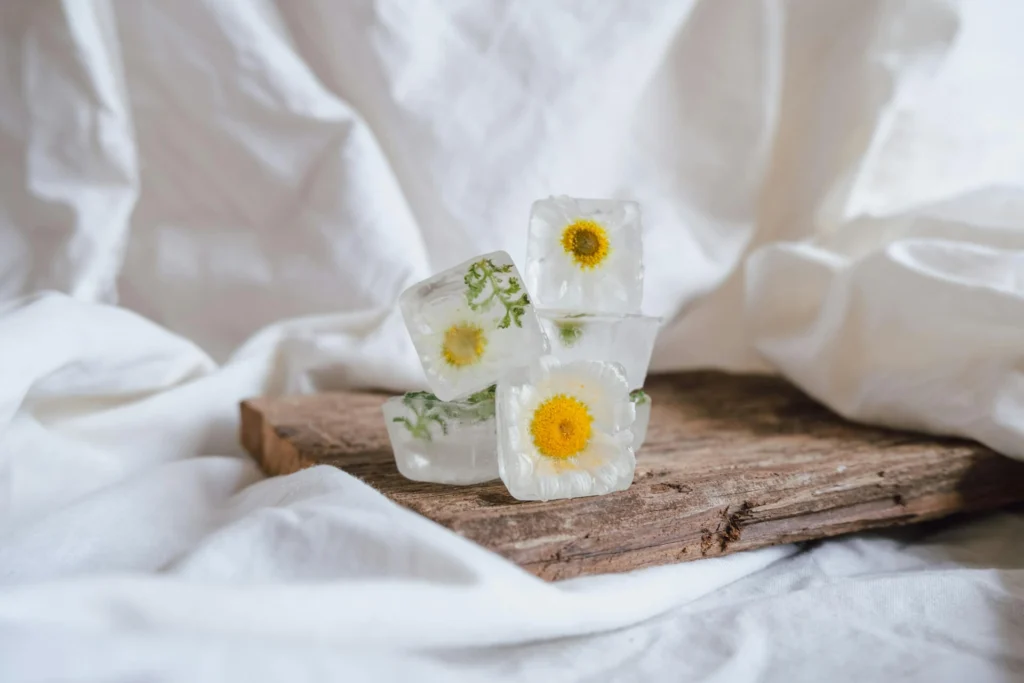
Sometimes, natural anxiety relief can be less about changing your body’s physiology and more about reconnecting with what’s happening around you. Holding an ice cube gives you a strong sensory experience to focus on. Notice the temperature, texture and sensation in your hand.
This technique can serve as a grounding exercise by directing your attention toward a concrete sensation rather than the anxious thoughts competing for your attention. Wrap the ice in a thin cloth or limit direct contact with your skin to protect it.
If continuous cold water feels intimidating, alternate between warm and cool water instead. You might spend one to two minutes in comfortably warm water, followed by 30 seconds in cooler water, repeating the pattern several times. There’s no need to make either temperature extreme. The goal is to explore how your body responds to temperature changes while maintaining slow, controlled breathing.
Cold water swimming combines temperature exposure with movement and time outdoors, which may make it especially appealing if you already enjoy lakes, rivers or the ocean. Safety matters more than pushing your limits. Cold water can cause an involuntary gasp, rapid breathing and cardiovascular changes, particularly when you enter suddenly.
Swim with another person, choose a familiar and supervised location when possible and enter the water gradually. Your first swim can be brief while you learn how your body responds. Alternatively, simply place your feet in cold water while you’re at a lake or on the beach. At home, a bucket with cold water and ice cubes can give you the same sensation.
For the mildest introduction, pour yourself a glass of cold water and sip it slowly. Pay attention to the sensation in your mouth and throat, the temperature of the glass and each swallow. Avoid chewing ice, as it can damage your teeth and dental nerves.
You can also gargle briefly with cold water. These practices aren’t equivalent to cold water immersion, but the sensory focus may work as a simple grounding exercise when you want something subtle and accessible.
Here are some commonly asked questions about using cold therapy for anxiety.
Cold water immersion may not suit everyone. Sudden exposure can rapidly increase breathing, heart rate and blood pressure during the initial cold-shock response. Full-body immersion can also carry risks such as hypothermia, heart rhythm disturbances and drowning, particularly in uncontrolled environments.
Always speak with your healthcare provider before trying significant cold exposure if you have a cardiovascular condition, high blood pressure or another health condition that could affect your response to cold or if you’re pregnant. Start gradually, listen to your body and prioritize supervised environments for open-water swimming.
Colder and longer aren’t automatically better. Research protocols vary considerably, so there isn’t one established temperature or duration for managing anxiety.
Commonly, water at 59° Fahrenheit or below is appropriate, but you can start with a brief cool shower rather than an ice bath. Even 30 seconds gives you an opportunity to see how your body responds. You can gradually adjust the temperature or duration as you become accustomed to the sensation.
Science is still investigating how cold water activates an immediate physiological stress response and affects the autonomic nervous system, including processes associated with sympathetic and parasympathetic activity. Some research has identified changes involving norepinephrine, heart rate variability and cortisol, though these do not mean you can throw out your antidepressant medication for a few ice cubes.
Cold water may not banish anxiety completely, but it may give you another way to respond when your mind and body feel overwhelmed. Even a brief cool shower, a cold compress or a face immersion can shift your attention toward the present while helping you explore how your body responds to the stimuli.
Start with a method that feels manageable and build gradually rather than chasing extreme temperatures. Over time, cold exposure may become part of a broader natural anxiety-relief routine that helps you feel more grounded, refreshed and ready to move forward.
Your email address will only be used to send you our newsletter, and at any time you may unsubscribe. For more information, see our Privacy Policy.
