

Body + Mind is reader-supported. We may earn an affiliate commission when you buy through some of the links on our site.
Dry shampoo can feel like a lifesaver when your schedule is too packed for a wash day. Whether you’re rushing to work, squeezing in a workout or traveling all day, a few sprays can make oily roots look fresh in seconds. However, convenience doesn’t mean you should skip scalp care entirely. Make sure to choose a dry shampoo formula with thoughtfully selected ingredients for a well-balanced hair-care routine.
Dry shampoo isn’t inherently bad for your hair. The key is knowing its function. It doesn’t actually clean your hair but only temporarily absorbs excess oil and sebum. As a result, greasy roots look and feel fresher between washes. Regular shampoo and water are still needed to properly cleanse the scalp. Not showering for three or more days can make hair look greasy, leave germs on your bedsheets and cause breakouts.
The problem happens when you rely too often on dry shampoo. Excess product can leave residue on the scalp, making your hair feel gritty, clogging pores or contributing to scalp problems. Dermatologists suggest applying only a small amount where you need it and distributing the product through the roots. You should continue washing your hair with regular shampoo and water when you can.
It may be best to skip dry shampoo when your scalp is irritated, itchy, burning, inflamed or affected by a scalp condition such as dandruff or psoriasis. Additional product buildup on an already irritated or unhealthy scalp can contribute to shedding and hair growth issues.
Avoid using it daily, especially if you’re concerned about hair loss. The powder can add extra weight to the hair, weakening strands and causing breakage.
It’s important to look at the actual ingredient list and choose a formula suited to your hair type. There are plenty of types of dry shampoo, each tackling different priorities such as volume, oil control, avoiding a white cast or using a more botanical-focused formula. Here are some of the best on the market, depending on your needs.
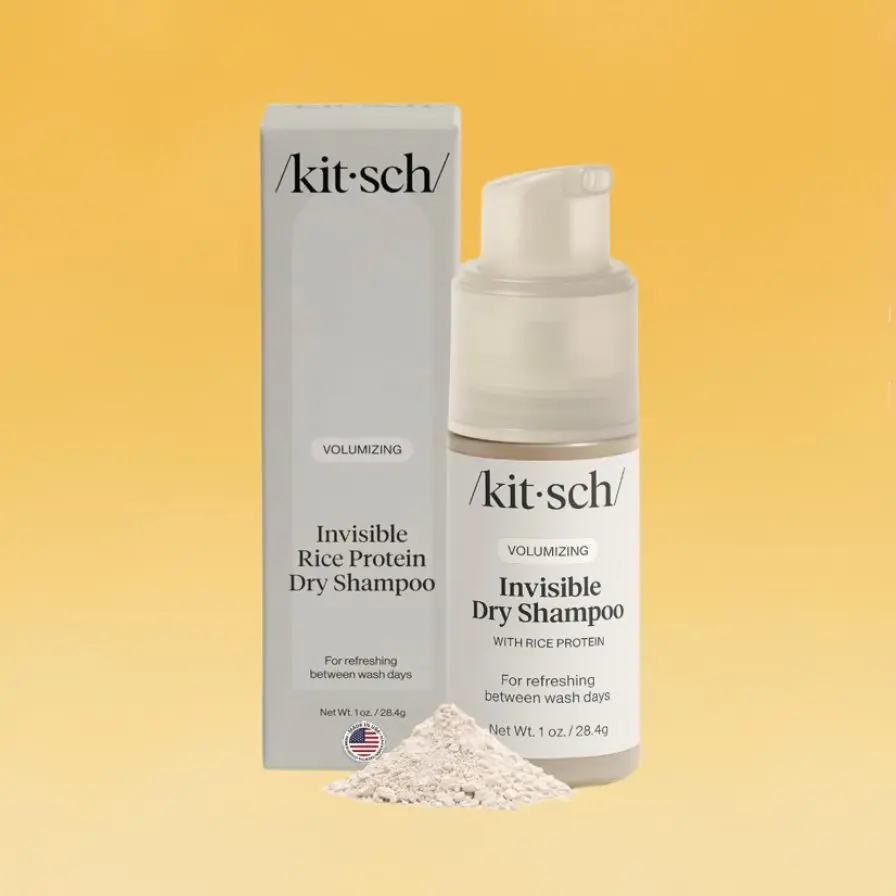
Kitsch Volumizing Rice Protein Dry Shampoo Powder Pump is a strong option for fine hair because its powder-based formula absorbs excess oil while adding texture and lift at the roots.
Fine hair can become weighed down quickly, so start with a small amount rather than coating the entire scalp. Part the hair, focus on visibly oily roots, allow the product to sit for about a few minutes then brush or massage it through thoroughly.
The product contains niacinamide, ashwagandha and rice protein. The formula is silicone-free, sulfate-free and paraben-free.
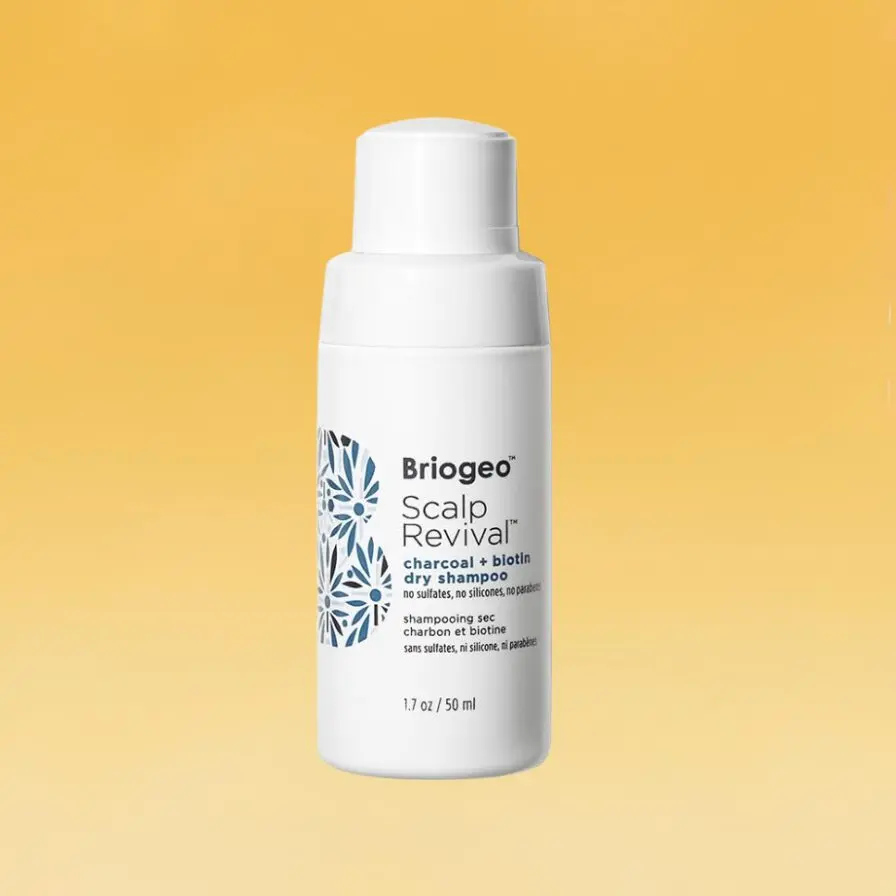
Briogeo Scalp Revival Charcoal + Biotin Dry Shampoo | Powder for Oily Roots is a great choice for those whose biggest concern is greasy roots. This oily hair dry shampoo prioritizes effective oil absorption. A powder formula containing starches and clay can be particularly useful because these ingredients are designed to soak up excess sebum rather than simply masking it with fragrance.
For best results, apply the product sparingly to the roots and other visibly oily areas. Let it absorb the oil before brushing it through or massaging it in. Applying more isn’t necessarily better. Too much dry shampoo can leave hair dry, gritty or coated.
The product contains rice starch, corn starch, kaolin, sodium bicarbonate, tapioca starch, sodium hyaluronate, bambusa arundinacea stem extract, biotin, witch hazel, leaf extract, charcoal powder and maltodextrin. Like Kitsch Volumizing, this product is also silicone-free, sulfate-free and paraben-free.
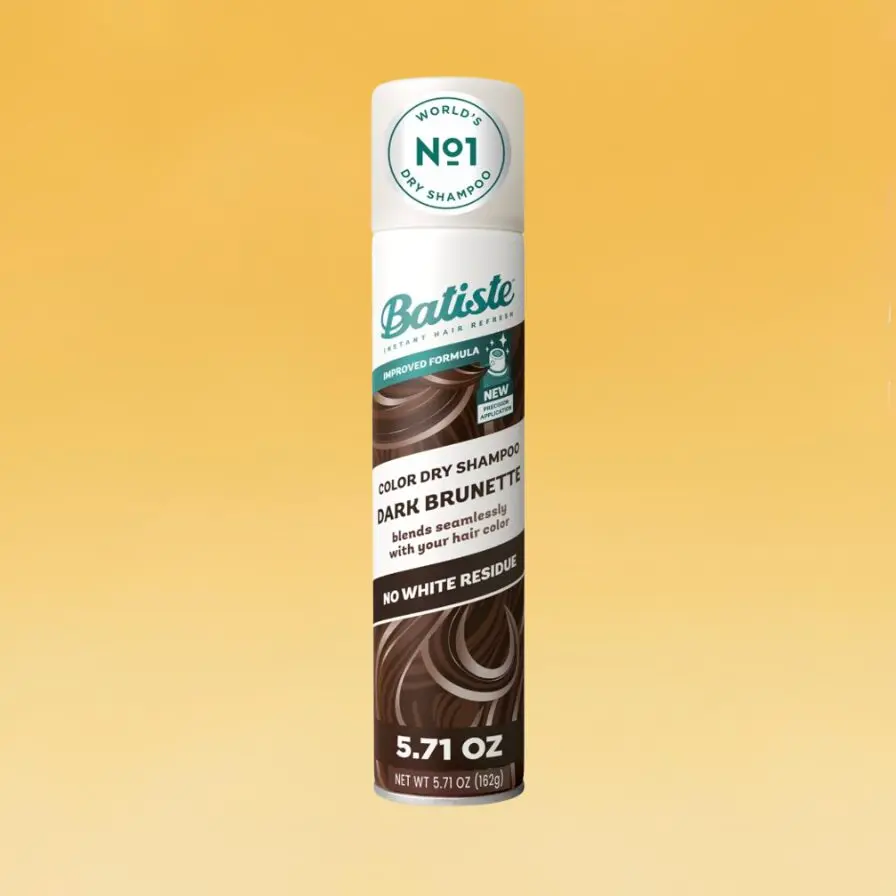
Dry shampoo on dark hair can leave an obvious powdery white cast. For brunette or black hair, choose a tinted or color-specific formula designed to blend into darker roots. Batiste Dry Shampoo for Dark Hair, Tinted Dry Shampoo is a well-known and trusted option.
The product is designed to address excess oil and grease at the roots, specifically for both natural and colored brunettes. The product’s enhanced texture can make hair look thicker and more voluminous. The product’s ingredients are butane, hydrofluorocarbon 152a, rice starch, denatured alcohol, c13-15 alkane, fragrance, cetrimonium chloride, glycerin, water, theobroma cacao seed extract, distearyldimonium chloride and iron oxides.
Apply it in small sections rather than spraying a large amount over the entire head. Give the product time to absorb oil, then massage and brush it through until no visible residue remains.
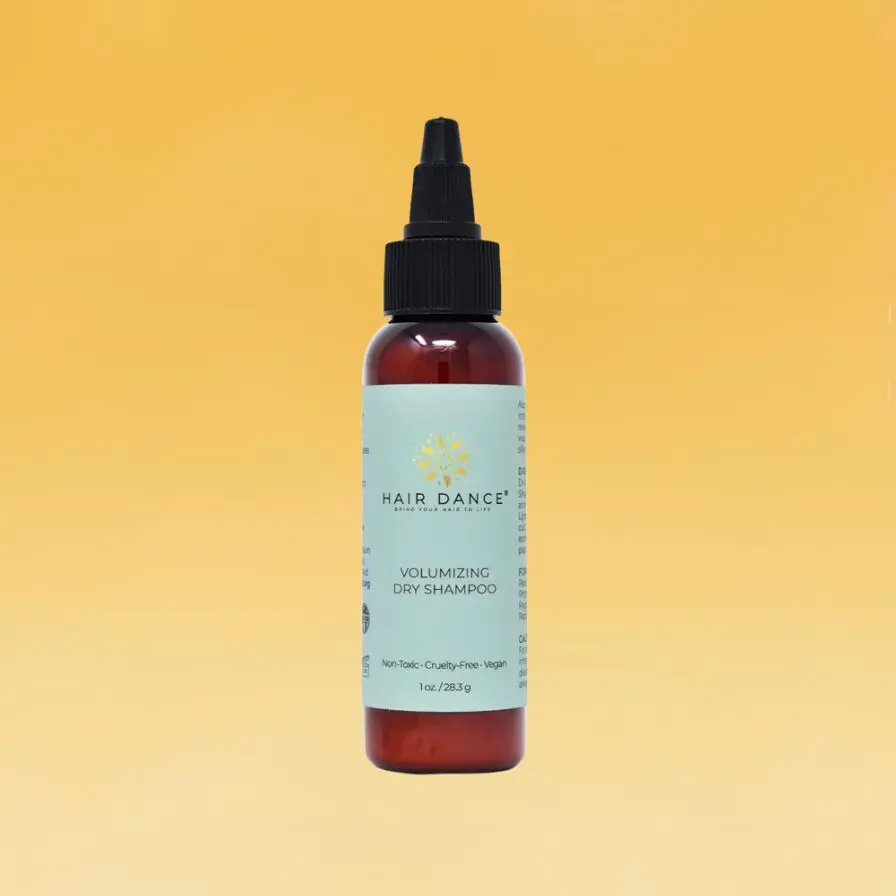
For shoppers who prefer botanical-focused hair care, look for formulas featuring ingredients such as amla and shikakai. These plants have a long history in traditional hair care. Keep in mind that natural doesn’t automatically mean irritation-free and botanical ingredients shouldn’t be treated as a medical treatment for hair loss or scalp disease. Patch-testing a new product and following its directions is still a smart approach.
Try the Dry Shampoo Volume Powder | Natural & Organic Ingredients by Hair Dance. The product contains rice starch, organic colloidal oatmeal, silica, lavender oil and olive leaf. It is made from natural and organic ingredients and is talc-free, vegan, cruelty-free and non-aerosol.
Here are the most commonly asked questions about dry shampoo.
The biggest downside is that dry shampoo doesn’t actually wash your scalp. If you repeatedly add product without wet-washing, residue, oil, dead skin cells and microorganisms can accumulate. This may contribute to dull-looking hair, an itchy or irritated scalp, clogged pores and other scalp problems.
Dermatologists recognize that dry shampoo can be useful for absorbing oil, extending hairstyles and refreshing hair between washes. They recommend only using a small amount when needed.
Make sure you are starting with dry hair. Never apply dry shampoo to wet or damp hair as it can result in a paste-like substance in the hair. Using a small amount, concentrate the product on greasy areas instead of coating your entire head.
Let the dry shampoo absorb before massaging or combing through it. This distributes the product and removes excess oil and visible powder.
Occasionally, yes, you can use it two days in a row. However, you should try to wash with regular shampoo and water after one or two dry-shampoo uses.
Dry shampoo can absolutely earn a place in a busy hair-care routine. It can absorb excess oil, refresh your roots, add texture and help you get another day out of a hairstyle. The trick is remembering that dry shampoo doesn’t cleanse the scalp the way shampoo and water do.
Choose a formula that matches your hair type, use a small amount and don’t keep layering it. If your scalp becomes itchy, irritated, flaky or unusually sensitive, stop using the product and give your scalp a chance to recover.
If you’re ready to try some new dry shampoo and found this article helpful, share this post on Instagram or with friends!

Your email address will only be used to send you our newsletter, and at any time you may unsubscribe. For more information, see our Privacy Policy.
