


Body + Mind is reader-supported. We may earn an affiliate commission when you buy through some of the links on our site.
Scroll through any wellness feed and you’ll spot a new must-have every week. There’s the fancy water bottle, the boutique class pass and the supplement stack that costs more than your phone bill. It’s easy to assume that feeling good requires a big budget.
Here’s the honest truth. Many of the habits that support your health cost little or nothing at all. You can move more, eat well, rest deeply and manage stress while keeping your wallet happy. These frugal living tips show you how.
Wellness has become big business, and the price tags reflect it. The global wellness economy reached a record $6.8 trillion in 2024 and has doubled in size since 2013. That growth brings more products, more subscriptions and more pressure to buy your way to better health.
The good news is that the fundamentals remain refreshingly simple. Your body still thrives on movement, nourishing food, quality sleep and time to decompress. You can find every one of those without a premium membership.
Ready to feel great without overspending? These nine tips cover movement, food, rest and stress relief. Pick the ones that fit your life and build from there.
Walking might be the most underrated tool in your wellness kit. It’s free and flexible, and it requires little more than a comfortable pair of shoes. Better yet, you can skip the pressure to hit 10,000 steps.
Walking about 7,000 steps a day is associated with a 47% lower risk of all-cause mortality compared with very low activity. The same habit also comes with a 22% lower risk of depression. A daily stroll may also improve circulation and boost energy without a full workout session. Try walking during phone calls or after dinner to naturally rack up steps.
Gym memberships add up quickly, especially if you only go a few times a month. Body weight training offers a budget-friendly alternative you can do almost anywhere.
Calisthenics is a training style that uses your body weight for resistance rather than machines. Push-ups, squats, lunges and planks can build real strength with zero equipment. Short on time? A ten-minute circuit a few days a week still counts. Free workout videos online can also keep your routine fresh.
Fresh produce is wonderful, but it can spoil before you get around to eating it. Frozen and canned options last for months, which means less food and money ending up in the trash.
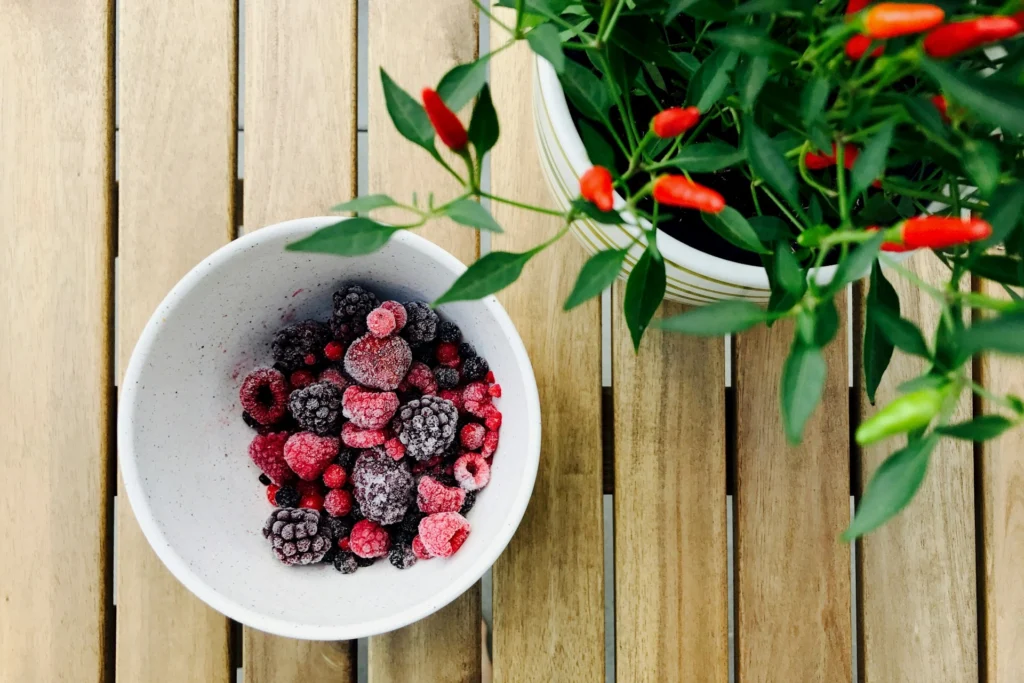
Research shows that canned and frozen produce offers nutrients comparable to fresh while lasting longer and costing less. Look for options without added sugar, sauces or extra sodium. Then toss frozen berries into your oatmeal or stir frozen spinach into pasta for an easy nutrition boost.

Eating out is convenient, but it’s becoming a pricier habit. Restaurant prices are forecast to rise faster than groceries in 2026, making home cooking an even smarter move.
Cooking at home also gives you full control over ingredients, portions and salt. Meal prepping takes the savings further. Planning a week of meals helps you buy only what you need and waste less food. Try cooking once and eating twice. A big pot of chili or soup on Sunday can cover several lunches.
Healthy eating works perfectly well without exotic superfoods. Beans, lentils, oats, eggs, rice and potatoes are affordable and filling. They also form the base of countless nutritious meals.
In 2022, you could meet daily fruit and vegetable recommendations for about $2.50 to $3.00 per day. Baked potatoes were among the cheapest picks at just $0.27 per cup. Build your grocery list around these staples, then add seasonal produce for variety. Store brands can stretch your budget even further.
Parks, trails and beaches are some of the best free wellness spaces around. You can also find green space in community gardens and neighborhood walking paths.
Time outdoors is linked to physical and mental benefits, and a review of 78 studies defined meaningful exposure as just ten minutes in a natural setting. That makes nature easy to fit into a busy day. Eat lunch in a park, take a weekend hike or sit outside with your morning coffee.
Sleep is the ultimate free health upgrade. It supports your mood, focus and energy, and it costs nothing.
Adults need at least seven hours of sleep each day, yet many fall short. In 2022, the share of adults getting too little sleep ranged from 30% to 46%, depending on the state. Keep a consistent bedtime, dim the lights in the evening and charge your phone outside the bedroom. A cool, dark room can also help you drift off.

Stress relief can come from something as simple as your breath. Box breathing is a free technique you can use at your desk, in traffic or before bed.
The method has you inhale and hold for four counts, then exhale and hold for four more. Repeat the cycle a few times to help your body settle. Journaling, stretching and calling a friend are other zero-cost ways to decompress.
Before you add something to your cart, pause for a moment. Plenty of wellness spending is emotional rather than essential.
Treating yourself after a long week feels great, but those small purchases add up fast. Ask yourself whether a product solves a real need or just looks appealing online. Free trials, borrowed equipment and workplace wellness perks can help you test ideas before you commit.
Wellness is less about what you buy and more about what you do each day. Walking, cooking, sleeping and breathing well are all within reach, whatever your budget looks like.
Start with one or two tips this week and notice how you feel. Small, consistent choices tend to add up over time. Your health and your wallet can thrive together.

Your email address will only be used to send you our newsletter, and at any time you may unsubscribe. For more information, see our Privacy Policy.
