
Body + Mind is reader-supported. We may earn an affiliate commission when you buy through some of the links on our site.
Living with endometriosis can feel like a constant battle with your own body. While you can’t control the condition itself, you can control what you eat. An endometriosis diet rich in anti-inflammatory foods isn’t about restriction, it’s powerful self-care that reduces pain and inflammation. Endometriosis happens when tissue similar to the uterine lining grows outside the uterus. Discover how simple food choices can help you take control.
Endometriosis is a chronic condition where the uterine lining grows on organs outside the uterus, including the ovaries, fallopian tubes and pelvic tissue. This misplaced tissue behaves like the lining inside your uterus, thickening and breaking down with each menstrual cycle. Unlike tissue that exits your body during your period, this has nowhere to go. The result is inflammation, scar tissue and often debilitating pain.
Your food choices directly impact inflammation levels in your body. Inflammation is your body’s natural response to injury, but chronic inflammation makes endometriosis symptoms worse. Some foods calm this inflammatory response while others fuel it.
Prostaglandins play a major role in endometriosis pain. These hormone-like compounds trigger uterine contractions and cramping. Certain foods like red meat and sugar increase the production of inflammatory prostaglandins, intensifying your pain. Foods like fatty fish boost beneficial prostaglandins that reduce cramping and discomfort.
Estrogen also matters. This hormone can stimulate endometriosis tissue growth, making symptoms worse. A diet high in fiber helps your body properly regulate and eliminate excess estrogen through your digestive system. Every meal is a vote for either more inflammation or less.

Focus on what you’re gaining — flavor, nutrients and control over your symptoms.
These healthy fats fight inflammation. Omega-3s help produce the beneficial prostaglandins that reduce cramping and pain. You’ll find them in salmon, mackerel, sardines, walnuts, flaxseeds and chia seeds. Fatty fish delivers the most powerful punch because it contains EPA and DHA, two omega-3s your body can use immediately.
Try making fatty fish Friday a weekly habit. Bake salmon with lemon and herbs or toss sardines into a salad. Sprinkle ground flaxseed into your morning smoothie or oatmeal.
Fiber is your gut’s best friend and a crucial player in estrogen metabolism. Soluble fiber found in oats, beans and apples dissolves in water and helps regulate blood sugar. Insoluble fiber from whole grains, nuts and vegetables adds bulk to your stool and keeps things moving through your digestive tract.
When your gut works efficiently, it eliminates excess estrogen instead of allowing it to recirculate. Aim to add one new colorful vegetable to your dinner each night this week.
Antioxidants are your body’s cleanup crew. They neutralize free radicals that cause cellular damage and inflammation. Leafy greens like spinach and kale are packed with vitamins and minerals. Berries deliver a powerful antioxidant punch. Oranges, bell peppers and tomatoes provide vitamin C that supports immune function and tissue repair.
Turmeric, ginger and cinnamon are easy ways to add anti-inflammatory benefits to your meals. Turmeric contains curcumin, a compound that can help provide pain relief and reduce inflammation throughout your body. Meanwhile, ginger soothes digestive discomfort and has natural pain-relieving properties. Cinnamon helps regulate blood sugar and adds warmth to both sweet and savory dishes.
Simply, sprinkle cinnamon in your morning coffee or add turmeric to scrambled eggs. Brew fresh ginger tea when cramps hit.

This is about limiting, not total elimination. Pay attention to what triggers your symptoms.
Red meat contains arachidonic acid, a fatty acid that directly increases inflammatory prostaglandins. Consider swapping red meat for fish, poultry or plant-based proteins most days of the week.
Processed foods and added sugar spike insulin levels and fuel inflammation. Sugar hides in unexpected places like salad dressings, pasta sauces and granola bars. When you read a food label, avoid items with more than five ingredients.
Gluten and dairy may trigger inflammation and digestive issues for some people with endometriosis. A three to four week elimination trial can help you figure out if these foods affect your symptoms. If you eliminate dairy, explore alternatives like almond, oat or coconut milk.
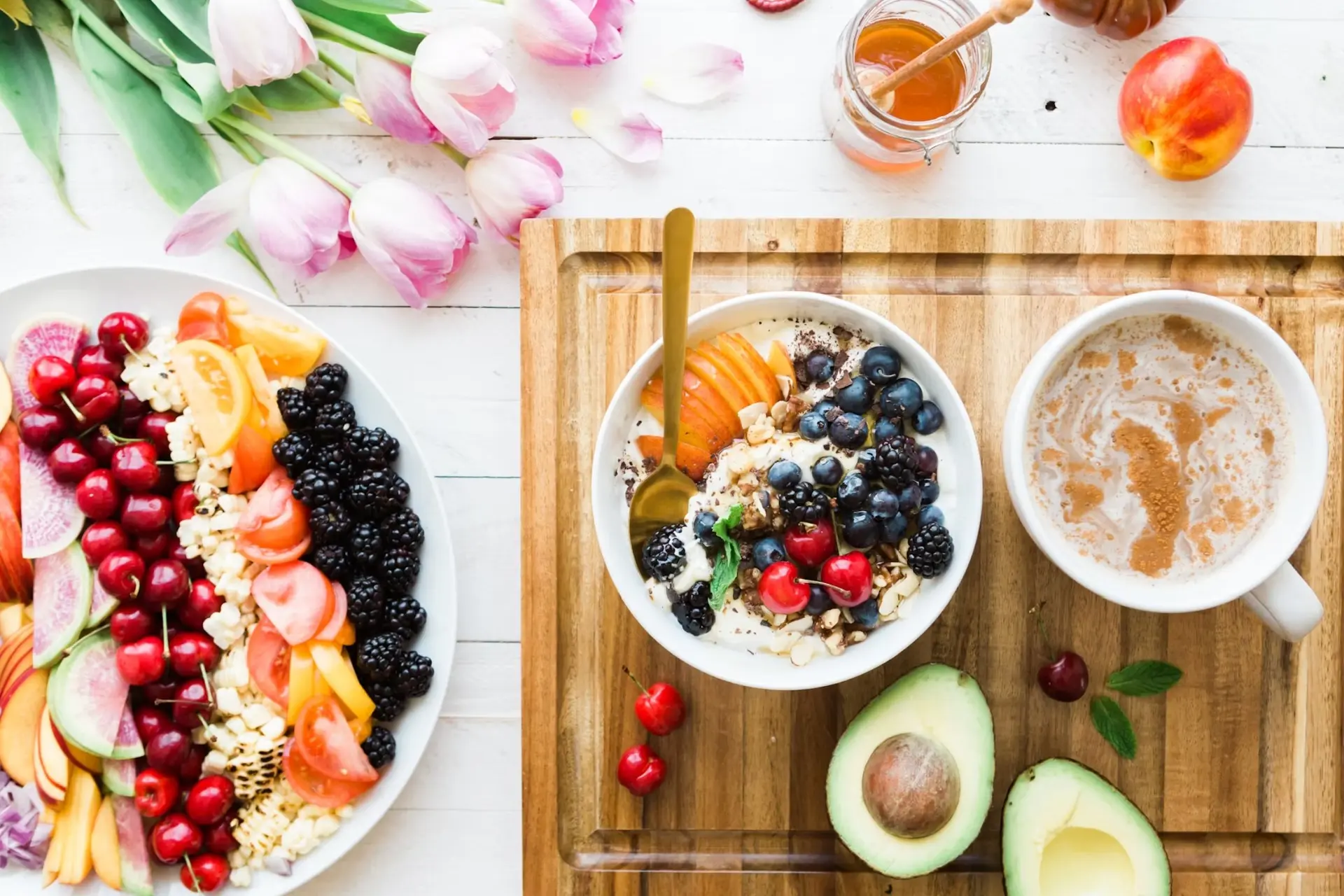
This shows how satisfying and delicious this way of eating can be.
| Meal | What to Eat | Why It Works |
| Breakfast | Steel-cut oats cooked with water or oat milk, topped with blueberries, ground flaxseed and cinnamon | Delivers fiber, antioxidants and anti-inflammatory spices to start your day strong |
| Lunch | Rainbow salad with spinach, grilled chicken or chickpeas, cucumber, bell peppers and olive oil-lemon-tahini dressing | Packed with protein, healthy fats and raw vegetables that fight inflammation |
| Dinner | Baked salmon with dill and lemon, quinoa and roasted asparagus with garlic | Rich in omega-3s and fiber to reduce pain and support hormone balance |
| Snack | Handful of almonds and an apple, or celery sticks with hummus | Whole-food options that provide sustained energy without spiking blood sugar |
Drink plenty of water throughout the day and consider ginger tea in the afternoon for an extra anti-inflammatory boost.
Making big changes can feel overwhelming, so start where you are:

A diet rich in whole foods, healthy fats and antioxidants can significantly reduce inflammation and pain. Limiting processed foods, sugar and red meat helps even more. This is a journey, not a destination. There will be good days and bad days. Be kind to yourself, listen to your body and celebrate every small victory.

Your email address will only be used to send you our newsletter, and at any time you may unsubscribe. For more information, see our Privacy Policy.
