

Body + Mind is reader-supported. We may earn an affiliate commission when you buy through some of the links on our site.
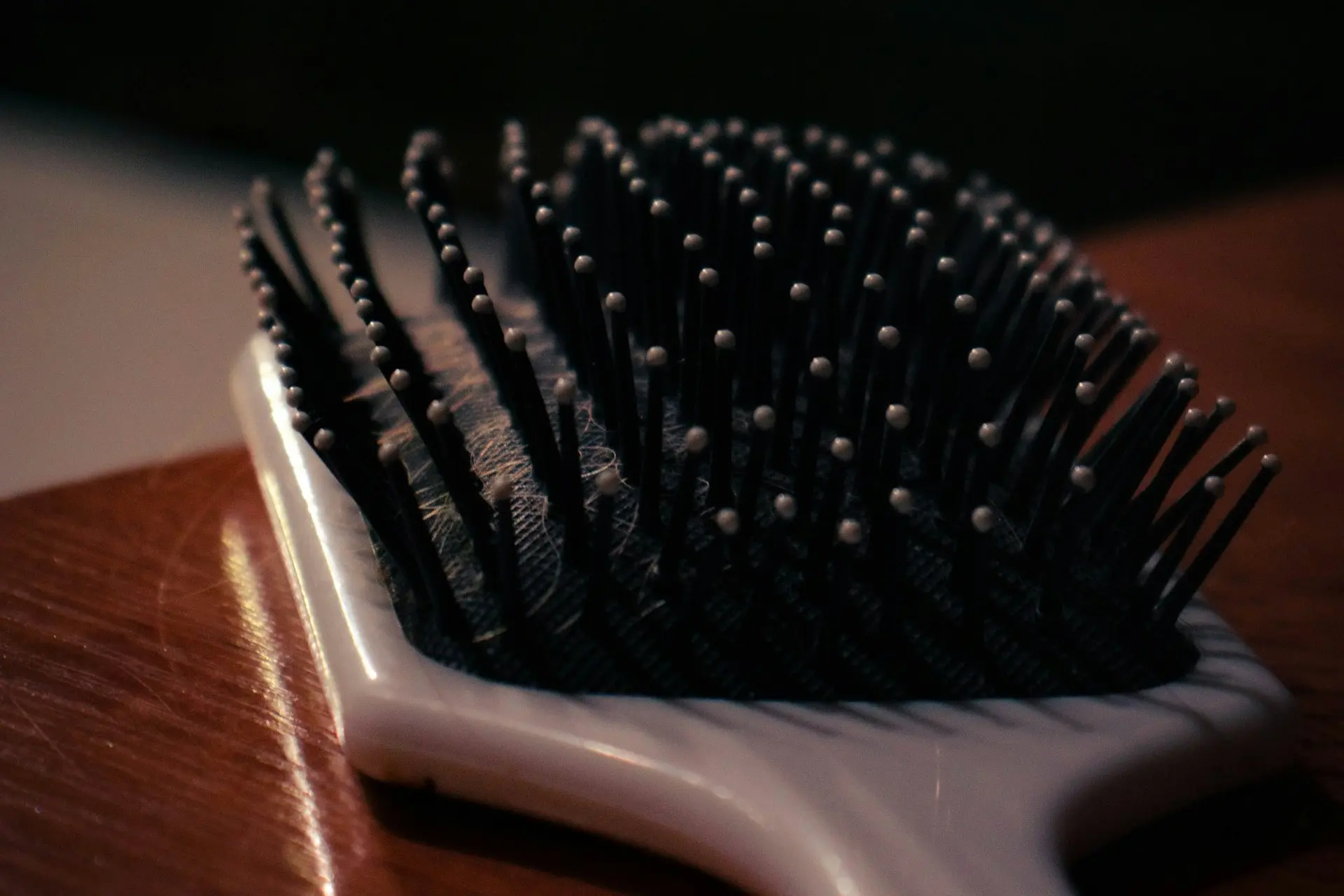
You probably spend plenty of time choosing the right shampoo, conditioner and styling products, but there’s one hair care tool that often gets overlooked — your hairbrush. If you’ve ever noticed strands of hair wrapped around the bristles or a fuzzy layer of dust and residue at the base, it’s time for a quick refresh.
Learning how to clean a hairbrush is a simple way to improve your overall hair care routine. A clean brush removes tangles more effectively, helps distribute your scalp’s natural oils evenly and prevents old styling products, dirt and debris from transferring back onto freshly washed hair. It only takes a few minutes and requires supplies you probably already have at home.
Cleaning a hairbrush is easy. All you need is warm water, a gentle cleanser and a few minutes of your time. Here’s a step-by-step process:
This routine helps you remove buildup without damaging the brush and it’s so quick that it can easily become part of your regular self-care routine.
While the basic cleaning process stays the same, different brush materials need different levels of care. Using the wrong method could shorten the life of your favorite brush.
Plastic brushes are the easiest to clean because they can tolerate soaking in warm, soapy water. After removing loose hair, let the brush soak for 5 to 10 minutes, then scrub around the base of the bristles with a soft toothbrush. Rinse thoroughly and allow it to air dry with the bristles facing downward. This method works well for most paddle brushes, vent brushes and detangling brushes made entirely of plastic.
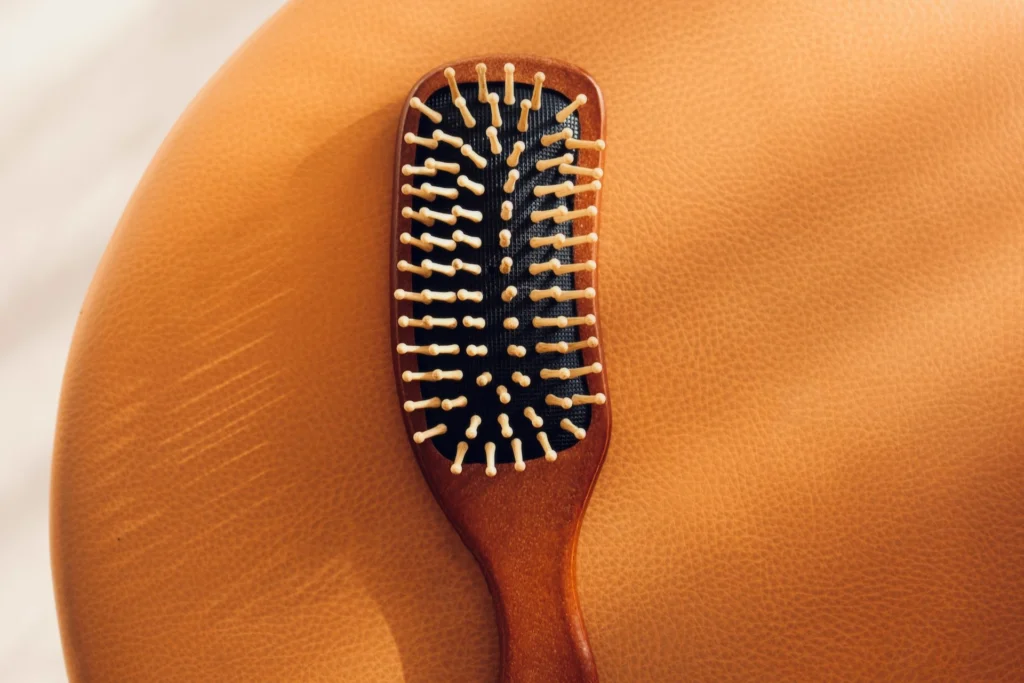
Wood can naturally absorb moisture, so avoid soaking your wooden brushes. Instead, dip a soft toothbrush or cloth into warm, soapy water and gently clean around the bristles. Wipe away any remaining soap with a damp cloth, then dry the brush immediately with a towel.
Keeping wooden brushes as dry as possible helps prevent cracking, warping and damage to the finish over time.
Boar bristle brushes distribute your scalp’s natural oils from root to tip, but their delicate bristles require extra care. Instead of vigorous scrubbing, gently clean between the bristles using a soft toothbrush and mild shampoo. Rinse quickly and avoid prolonged soaking.
These brushes are designed to spread natural oils, so you’ll often notice residue building up faster than on synthetic brushes. Regular cleaning helps maintain their performance and prevents oils from transferring back onto freshly washed hair.
Round brushes often trap hair more tightly than other styles because strands wrap around the barrel during blow-drying. Before washing, carefully remove as much hair as possible. If necessary, use small scissors to cut through stubborn strands, taking care not to cut the bristles.
If your round brush has a metal barrel, don’t leave it underwater for long periods. Dry it thoroughly after rinsing to reduce the risk of rust or corrosion over time.
Cleaning your brush is simple, but a few common mistakes can do more harm than good. Here are some things you should avoid:

Every time you brush your hair, your brush collects more than loose strands. For starters, there are your hair’s natural oils. The sebaceous glands in your skin and hair produce 90% of the natural oils found on the surface. This oil, also called sebum, is a mixture of fatty acids, waxes and squalene that coats your hair to protect it and keep it hydrated and soft.
Although very useful, natural oils merge with dead skin cells, dust, lint and residue from products like hairspray, dry shampoo and leave-in conditioner, and they all become trapped between your brush’s bristles. Over time, this buildup may make it less effective and cause freshly washed hair to feel dirtier more quickly.
Keeping your brush clean is also part of maintaining a healthy scalp. While a dirty brush won’t automatically cause hair loss, repeatedly brushing with a buildup of oils and styling products may irritate the scalp for some people.
The ideal cleaning schedule depends on your hair type and styling routine. As a general rule, remove trapped hair every few uses to keep it from becoming tightly wrapped around the bristles. Then, it’s useful to deep-clean your brush every two to four weeks. If you use styling products daily, have naturally oily hair or rely on dry shampoo between washes, you’ll likely benefit from washing your brush about once a week.
Product residue builds up quickly and can reduce how well your brush glides through your hair. Regular cleaning also helps preserve the condition of the bristles so your brush lasts longer. Although there isn’t a universal cleaning schedule, dermatologists agree that regularly maintaining hair tools helps prevent unnecessary buildup from accumulating over time.
Sometimes your brush makes it obvious that it’s overdue for a wash. Other times, the signs are more subtle. Look for these indicators:
If you notice any of these, don’t wait until your next cleaning day. Removing buildup as soon as possible keeps your brush working the way it was designed.
Even with regular cleaning, every hairbrush eventually reaches the end of its lifespan. Inspect your brush every few months. If you notice bent or broken bristles, loose cushioning, cracks in the handle or rough edges that snag your hair, replacing the brush is usually the better option.
Damaged brushes can pull on hair unnecessarily, increasing breakage during everyday styling. Healthy hair care isn’t only about the products you use. The tools you use matter just as much. According to the American Academy of Dermatology, minimizing pulling or tugging while brushing your hair helps prevent hair damage over time.
Cleaning your hairbrush is only one part of maintaining healthy hair and a comfortable scalp. Washing your hair as needed, avoiding excessive heat styling, eating a balanced diet and replacing worn-out tools all contribute to stronger, healthier-looking hair. Regularly cleaning the items that come into contact with your body, including grooming tools, helps reduce the buildup of dirt, oils and microorganisms that naturally accumulate through everyday use.

Your email address will only be used to send you our newsletter, and at any time you may unsubscribe. For more information, see our Privacy Policy.
