

Body + Mind is reader-supported. We may earn an affiliate commission when you buy through some of the links on our site.
You’re never too late to join the sourdough club. If you’ve ever wanted to learn how to take care of a sourdough starter, you’re in the right place. Anyone can create their own starter and use it to bake years of delicious recipes with a few simple tips.

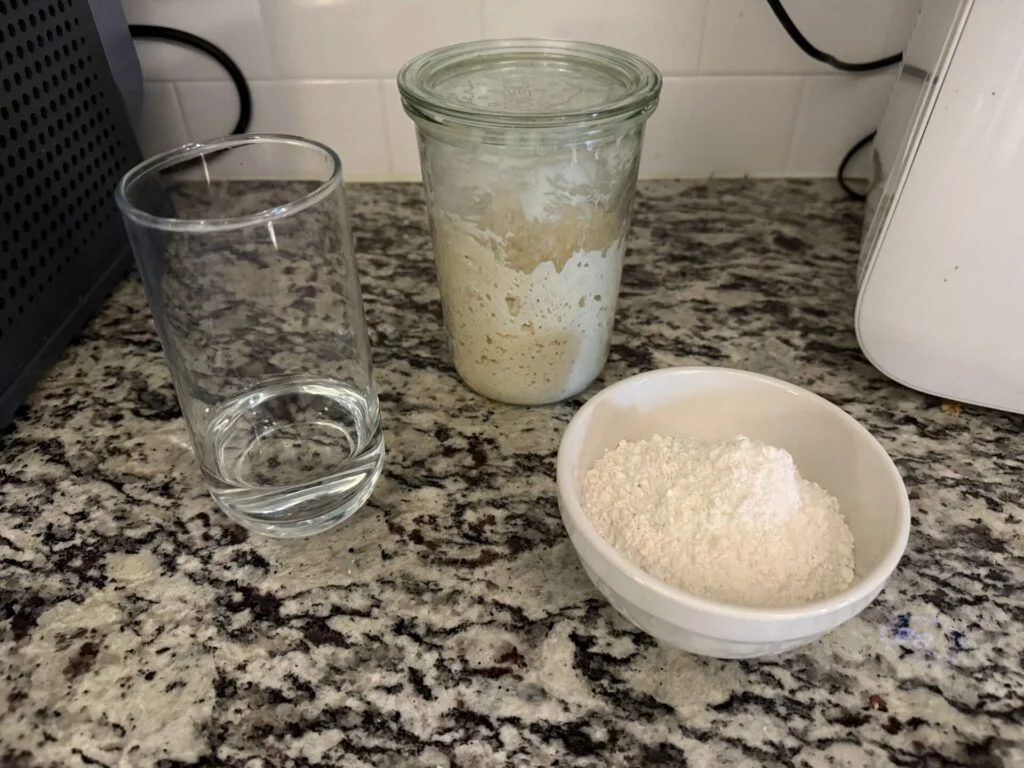
Beginning a sourdough starter is easier than people think. You only need equal parts flour and water. The exact amount will depend on your starter’s container. A small jar will hold less than a large one.
Depending on your container’s size, you can start with something like 60 grams of flour and 60 grams of water. Sixty grams equals ¼ cup if you don’t have a digital countertop scale. People often work with scales to be precise, but it’s not necessary if you can’t invest in a scale immediately.
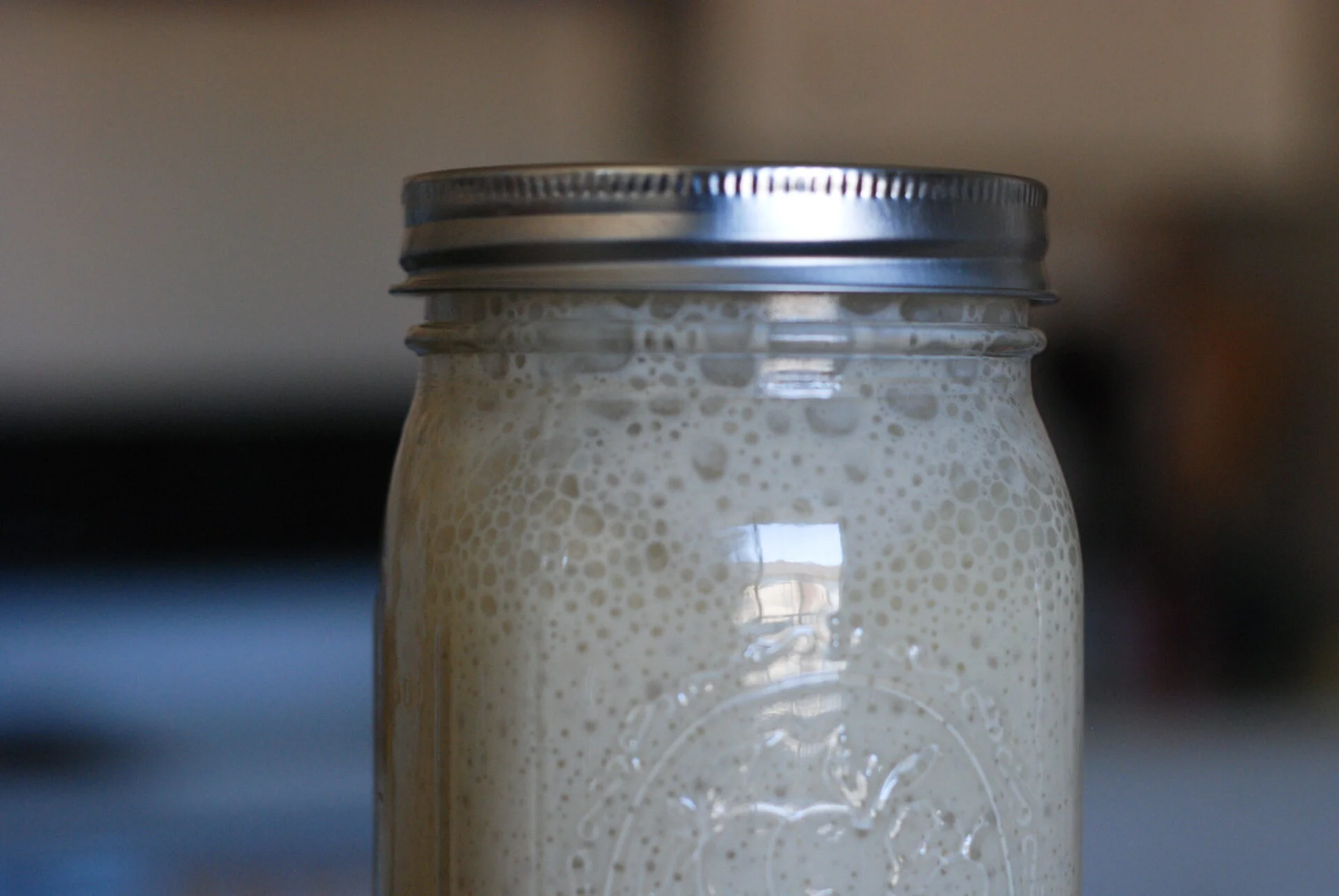
Once you mix your flour and water, your jar will contain a mixture of yeast and bacteria. Bacteria create a microbiome that increases your starter’s volume, while the yeast controls the bacterial activity. The two keep each other in check, preventing mold growth.
If people could make bread instantly after mixing flour and water, anyone could open a bakery. You’ll need a little more time to develop the microbiome you just started. Follow a week-long schedule to make a strong starter:
If you see lots of activity between days three and five, that’s normal. People call that a false start. The yeast gets a burst of activity and slows down. Stay on schedule through the end of the week.
Starters that won’t double by day 10 might need a different schedule. Some people have success after a week of 12-hour feeds, while others only make their starters active after adding bread or rye flour.
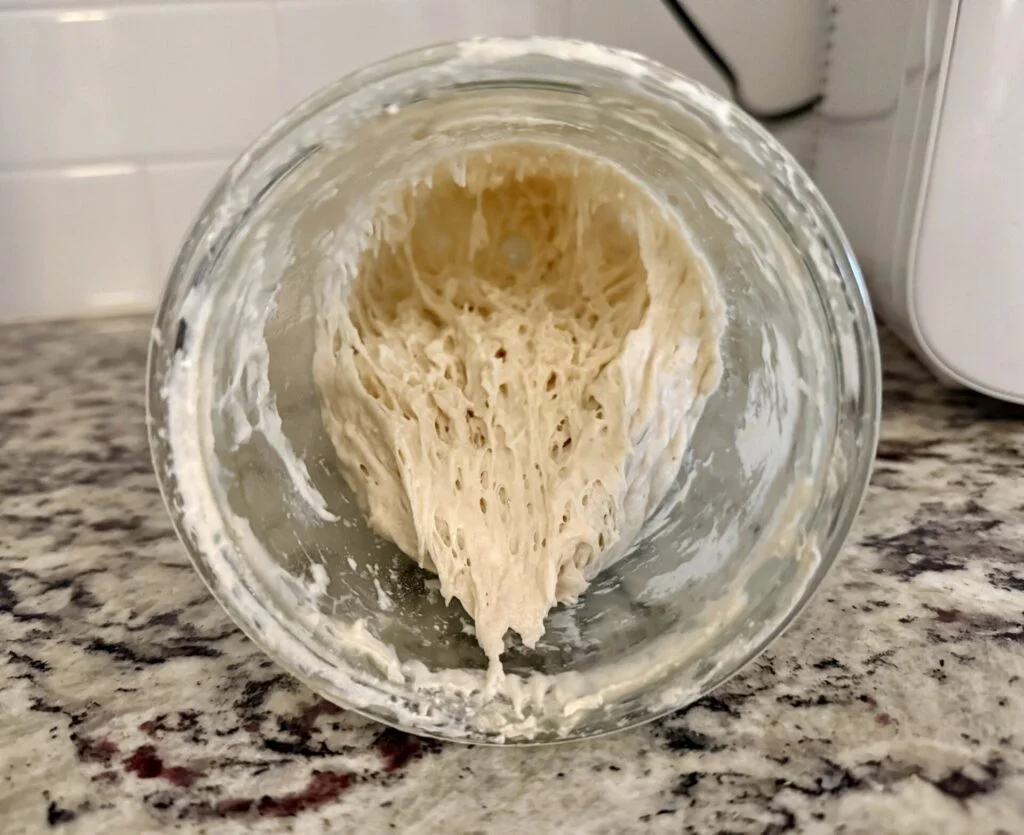
The unique microbiome in your starter container could need a little extra love and creativity before it’s ready. You’ll know you can start baking when it doubles in size within four to 12 hours.
Once you finish your first week, you should know how to take care of your starter so it remains strong. The routine care is straightforward and much less work than what you just went through.
Imagine the tiny microbes in your sourdough starter as individual people. When you feed your starter, each microbe gets one gram of water and flour to double in size. Once that happens, they reach their peak and start shrinking as they get hungry again. Your active starter’s residents can wait 12-24 hours after their last feed before they cross the rainbow bridge to the great bakery in the sky.
If you’re sticking with a sourdough-friendly Blue Zone diet to improve your longevity, you may feed your starter daily. You’ll always have yeast ready for baking creative recipes. As long as your starter remains at room temperature, it needs to eat every 24 hours.
When your schedule gets busy, or you don’t want to bake anything, you could also put your starter in the fridge. Seal the container to lock in oxygen. Many sourdough jars come with silicone liners and lid clamps for that purpose. You’ll pause your starter with a timeout in the fridge. It’ll be ready for a fresh feed whenever you want to bake.
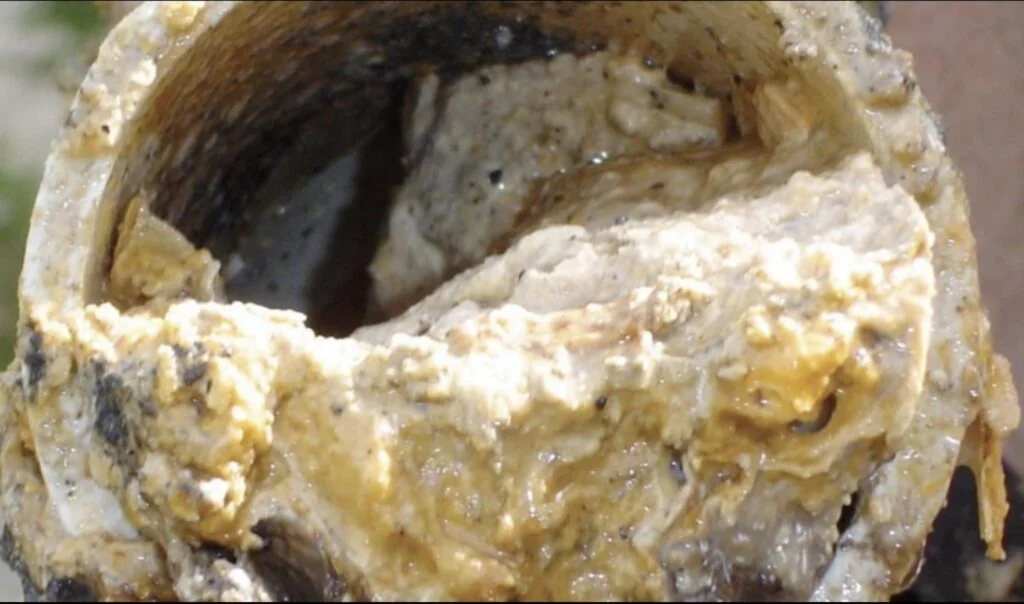
Protect your plumbing when you need to clean your starter’s container. The flour and water mixture will turn into cement inside your pipes. Scrape your starter remnants out of the jar and wipe the insides with a paper towel. You’ll get most of the solid chunks out and have tiny bits remaining. They will either be too dry to remove by hand or linger out of reach.
Fill your jar with warm water and secure the lid. Shake it for a minute to loosen anything that remains. The liquid should be a light white or cream color, but free of any solid pieces. You can pour the liquid down your sink because you’ve removed anything solid. The excessive water liquifies the remaining starter particles beyond the point of solidification.
If you notice that your trash can has a nail polish smell, the starter is requesting a feed. Take care of the problem by putting any sourdough discard in a Ziploc bag before throwing it away if you aren’t taking your garbage out immediately.
The enzymes in your starter are sensitive to temperature, like reptiles. Cold kitchen environments make the microscopic residents move more slowly. Warmer temperatures make them more active.
Your kitchen temperature will fluctuate with the time of year, so you should get a countertop temperature monitor sooner rather than later. You can log the temperature and your feed times to notice how fast your starter doubles in different environments. You can always add more flour and less water to slow the rise if it’s doubling faster than your schedule can incorporate feeds.

Creating a healthy starter can be challenging for some people. If you’re struggling during that first week of feeds, use some troubleshooting strategies to reach your first doubling faster.
If you’ve reached the end of your first week and your sourdough starter still won’t double, put it in a warmer spot in your house. Some people also put their starters on heating pads if their house is colder than 70° Fahrenheit, like in the winter.
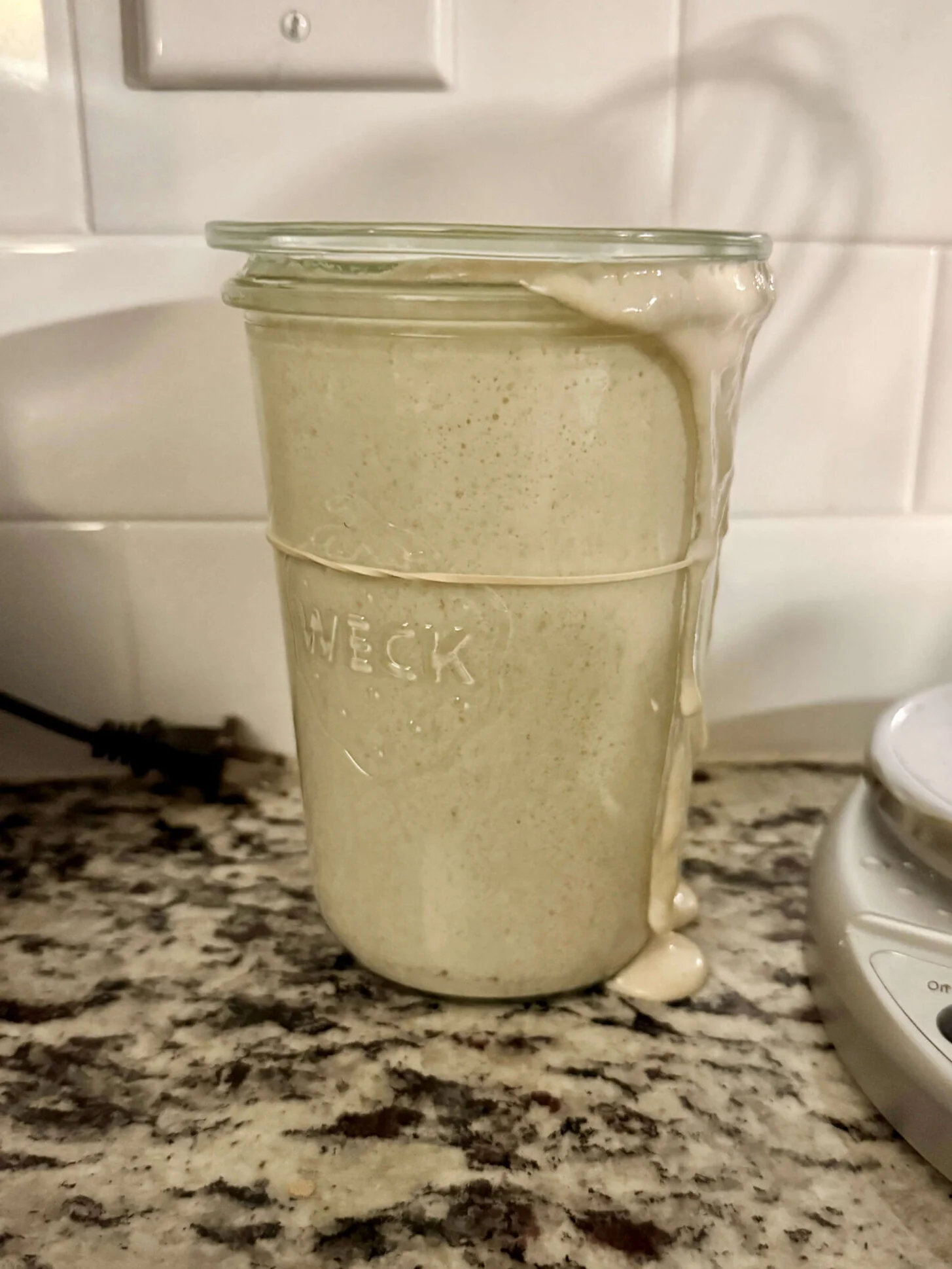
Sourdough websites often include pictures of starters bubbling over the top of their containers. The Pinterest-worthy pictures are inspirational, but they aren’t necessary to have a healthy starter. They bubble over only if you feed them more than the jar can contain. You don’t need to experience the same thing before your starter is ready to bake.
Your starter’s lactic and acetic acids create antifungal activity that prevents mold, but not forever. If the balance between bacteria and yeast swings one way or the other, they won’t eat through mold spores effectively. A moldy sourdough starter should go straight into your garbage. You’ll have to restart from scratch or use a piece of dried active starter from your starter before it got moldy.
If you think your starter is moldy because it has dark liquid on the top, it may actually be fine to use. You should only throw it out if there’s fuzzy growth. People affectionately call the light or dark liquid hooch. Mix it back in during your next feed or gently pour it into your trash can. Either way, it only means that your starter is extra hungry.

Once you know how to take care of a sourdough starter, you can become a baking pro. Creating a starter is the hardest part. Once you get through the first week, you only have to feed it occasionally to make recipes that make everyone ask for seconds.
The 1:1:1 rule of sourdough starters means feeding your starter with an equal amount of old starter, water and flour. If you have 10 grams of starter left over after discarding most of it, you’ll want to add at least 10 grams of water and 10 grams of flour. Some people add 1:2:2 or 1:3:3 measurements to make it double faster after it’s active.
The biggest mistake you can make with your sourdough starter is using it too early. Some people do 12-hour feeds during the second week with their starter to make it double. If you use it before it doubles or floats, you will make flat bread that doesn’t have the iconic tangy sourdough flavor.
Your sourdough starter can sit on the counter for a day or two without feeding. If you feed it once a day, it can sit on the counter indefinitely.

Your email address will only be used to send you our newsletter, and at any time you may unsubscribe. For more information, see our Privacy Policy.
