


Body + Mind is reader-supported. We may earn an affiliate commission when you buy through some of the links on our site.
Blurry vision and tired eyes can happen for more than one reason. If you’ve been experiencing more anxiety or depression lately, your mental health could affect how you see the world. Learning how stress can affect your vision might help you identify what’s going on and discover ways to improve your eyesight and peace of mind.

Mental health conditions affect the entire body. Knowing how your well-being can change your eyesight will help you understand what’s affecting you.
Depression can have many forms. You might feel sad or numb when it becomes overwhelming. This condition can determine your fatigue levels, which affect the entire body. Your eyes might become more tired than usual, preventing them from having enough energy for pupil contraction. Eye fatigue might not seem like something that can affect your vision, but if your pupils can’t use their internal muscles effectively, you won’t see as well.
Even if your vision challenges stem from an undiagnosed eye condition, your anxiety can still make things worse. You may ruminate on your blurry sight and feel increasingly stressed about how to fix it. You may be stressed if you don’t have good insurance or enough income to comfortably afford an optometrist appointment. As you get more anxious, you could focus on your blurry vision more and potentially feel like it’s getting worse.
Managing a healthy nightly routine is more challenging than many people expect. You might naturally fall asleep quickly if you’re able to stay physically active. If life has recently become difficult, you might not sleep as well due to stress. Even if you practice the 20/20/20 eye rest rule, you may not feel any better if you’re not dreaming through the night.
Only getting a little rest will make your eyes tired. Your brain won’t have the opportunity to reset your cellular functions, leaving your eye muscles strained throughout the next day.
You don’t have to deal with poor vision when struggling with your mental health. You can solve both issues with a few simple strategies.
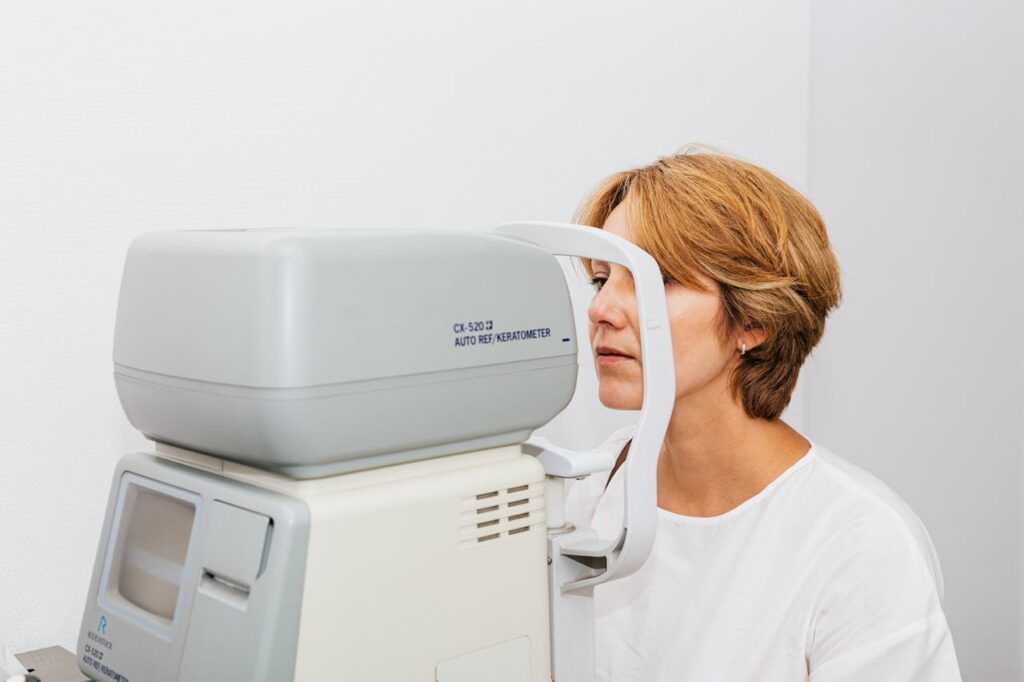
Start your journey to better health by visiting an optometrist. They’ll conduct a routine eye exam to identify anything that might cause vision issues, like nearsightedness or cataracts. You could purchase glasses or contact lenses, depending on what the doctor recommends. If they don’t find anything abnormal about your eye health, you’ll know lifestyle changes may be the best next step.
People can change their sleep habits anytime. Think about the last time you woke up feeling rested. What could prevent you from falling asleep and staying that way? Maybe your bedroom stays warm at night, so you wake up sweating. You might stay busy around the house right up until the lights go out. Giving yourself time to unwind in a dark, quiet room is an excellent first step to improving your sleep routine.
The amount of sleep you get every night also matters. Experts recommend that adults get at least seven hours of sleep nightly, so aim for that amount. If you wake up feeling groggy because you’ve had too much sleep, you can always adjust your bedtime to accommodate your body’s unique needs. Stress can affect your vision, but not getting enough rest can also change your sight.

People often rely on corrective lenses to help with their vision problems. If your optometrist says that you’ve developed farsightedness or astigmatism, specialized lenses might solve the issue. They may even fix your eye fatigue since blurry vision can cause eyestrain. You’ll need a prescription to determine which lenses are best, so contact your optometrist if you think that could be a solution for your eyesight challenges.
You might also have success if you address the mental health side of your concerns. Reach out to a local therapist who accepts your insurance or provides sliding scale appointment fees. You might be dealing with triggers you’ve never identified. If you learn coping strategies while processing your personal history, your mental health may improve your vision.
Research shows that 52.1% of American adults got treatment for mental health conditions in 2024. You’re not alone in asking for help. You may appreciate having an unbiased listening ear, even if your only stressor is figuring out your vision concerns.
Consider scheduling an appointment with your primary care provider to get their input on what could be causing your vision problems. You might be a good candidate for medication that reduces anxiety or depression. They can also recognize specific symptoms that indicate a bigger issue than vision concerns. You’ll get the exact help you need if you reach out to specialists like your doctor.
Blurry vision and eye fatigue don’t have to ruin your quality of life. Reflect on what might cause your symptoms to find strategies that could help. If you get more sleep, visit your ophthalmologist or start seeing a therapist, you might feel better and see the world with clearer vision.

Your email address will only be used to send you our newsletter, and at any time you may unsubscribe. For more information, see our Privacy Policy.
