

Body + Mind is reader-supported. We may earn an affiliate commission when you buy through some of the links on our site.
Neuroplasticity exercises might sound like something only neuroscientists understand, or worse, like another item on your already overflowing to-do list. But here’s the exciting truth — rewiring your brain doesn’t have to feel like work. The best way to build a sharper, more creative mind is through activities that feel more like play than practice. Here’s why you would want to, plus 10 joyful ways to get started.
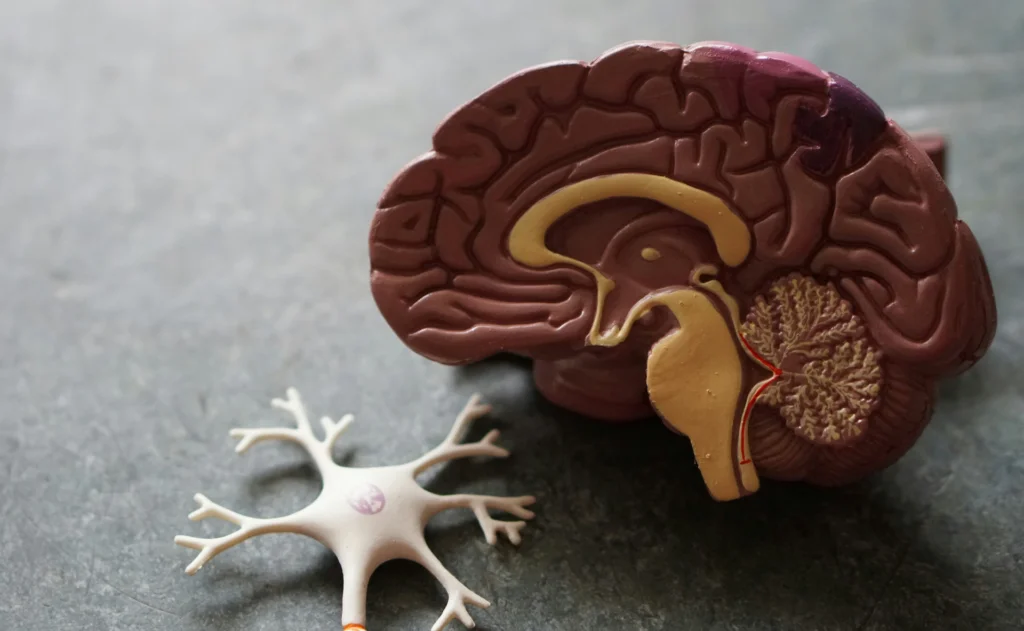
Think of your brain as a muscle that gets stronger with training. Neuroplasticity refers to your brain’s ability to adapt and reorganize itself throughout life. When you practice new things, whether learning salsa or picking up Italian, you literally create new neural connections.
Over time, these pathways can sharpen cognitive function and boost creativity. Your brain stays flexible at any age, so it’s never too late to start building a more resilient mind.
Absolutely. This isn’t just wellness trend talk but solid neuroscience.
Research shows that consistent neuroplasticity exercises produce measurable changes in brain structure and function. One powerful study found that brain training lowers dementia risk decades later, proving benefits extend far beyond immediate boosts. The key is sticking with activities that challenge you while remaining enjoyable enough to return to week after week.
Consider this your brain’s playground — a collection of activities designed to stretch your neurons without feeling like homework.

When physical movement demands both coordination and mental focus, it becomes a neuroplasticity powerhouse. Dance classes, tai chi and racquet sports like tennis or squash require your mind and body to work together as you anticipate and predict movements. Research shows that these coordinated movements have significant cognitive benefits for brain health.
While any exercise helps, trying something completely new forces your brain to build fresh pathways. The good news? Expensive gym memberships aren’t necessary. Something as simple as mindful walking can work wonders, especially on nature trails or in new surroundings.
Both listening to and playing music light up multiple brain regions simultaneously. When you learn an instrument, auditory processing, motor skills and cognitive planning all engage at once.
Whether you’re moved by a melody or conveying feeling through playing, the emotional dimension strengthens the neural connections you’re building. Scientists have documented music’s power for neuroplasticity and its remarkable ability to forge stronger brain pathways.

Hobbies that engage hands and mind together, like knitting, painting or pottery, offer unique cognitive benefits when they pull you away from screens.
These options work because the tactile feedback is immediate, creating a satisfying loop that encourages continued practice. Easy to start but difficult to master, crafts keeps your brain challenged as skills develop.
Learning another language is one of the most comprehensive brain workouts available. It demands high-level executive function, strengthens memory through new vocabulary and grammar, and engages auditory and visual processing.
Practice in social settings adds fun and connection. For busy people, language learning fits hectic schedules beautifully because short, frequent sessions work better than marathon blocks.
Games of all kinds offer a safe space for experimentation and risk-taking without real consequences. According to research, playing certain video games leads to structural brain changes, with one Super Mario 64 study finding increased gray matter in regions tied to memory, strategic planning and motor skills.
Board games like chess, Go, Qwirkle, Codenames or Clue exercise pattern matching, memory and logic skills, but any game you enjoy puts you in a beneficial flow state.

Mindfulness meditation can strengthen your prefrontal cortex, and just five minutes a day may be enough to see benefits. This practice fits easily into any routine. By slowing thoughts and creating distance from emotions, you might spot unexpected patterns and make surprising connections.
Small switches to your daily routine can wake up dormant neural pathways. Here are playful ways to shake things up:
Social interaction is cognitive calisthenics, requiring language processing, empathy and memory working together.
While casual chats offer benefits, push yourself further to boost neuroplasticity. Try interesting conversation starters or explore topics outside usual discussions. Engaging with new ideas through meaningful dialogue stretches your brain in ways that familiar small talk can’t match.

This social media trend has taken off for good reason. Pick any topic that sparks curiosity and design a personal deep-dive—documentaries, books, podcasts and articles all count.
Plan it across a couple of weeks so it feels like an exciting exploration rather than an overwhelming assignment. Map out weekly content, mix media types and give yourself permission to follow tangents. This structured curiosity builds dense knowledge webs around subjects you care about.
Creative writing, especially in your own handwriting, fires up imagination in ways that forge new neural pathways. Imagination exists purely in possibility, meaning your brain must create entirely new connections to bring ideas to life. Try these playful prompts:
Here’s how to weave these activities into real life. The goal is consistency without pressure.

Here are answers to common questions about rewiring your brain.
Aiming for around 150 minutes per week is ideal. It’s little enough to manage and so that it still feels fresh and fun, but also enough to create meaningful change. Break this into smaller chunks throughout the week for best results, and remember that consistency matters more than intensity.
You can focus on whichever activities appeal to you most. Even one exercise practiced consistently will benefit your brain. That said, rotating among different activity types keeps things interesting, brings you new challenges and targets slightly different brain areas.
Neuroplasticity exercises work because they challenge your brain with new experiences. Practicing unfamiliar activities that demand coordination, creativity or problem-solving literally creates new pathways in the brain.
You have more control over your brain’s health than you might have imagined. These playful neuroplasticity exercises focus on joy, curiosity and learning something new. Your brain is ready to grow and surprise you with what it can do. Pick one activity from this list that sounds fun and try it this week. Your future self will thank you.
Your email address will only be used to send you our newsletter, and at any time you may unsubscribe. For more information, see our Privacy Policy.
