

Body + Mind is reader-supported. We may earn an affiliate commission when you buy through some of the links on our site.
Psoriasis can feel like your skin is throwing a tantrum at the worst possible moments, but relief doesn’t have to be a mystery. With the right habits, treatments and a deeper understanding of what triggers those flare-ups, you can achieve calmer, more comfortable skin. Break down what actually works and what’s just hype so you can feel confident managing psoriasis day-to-day.
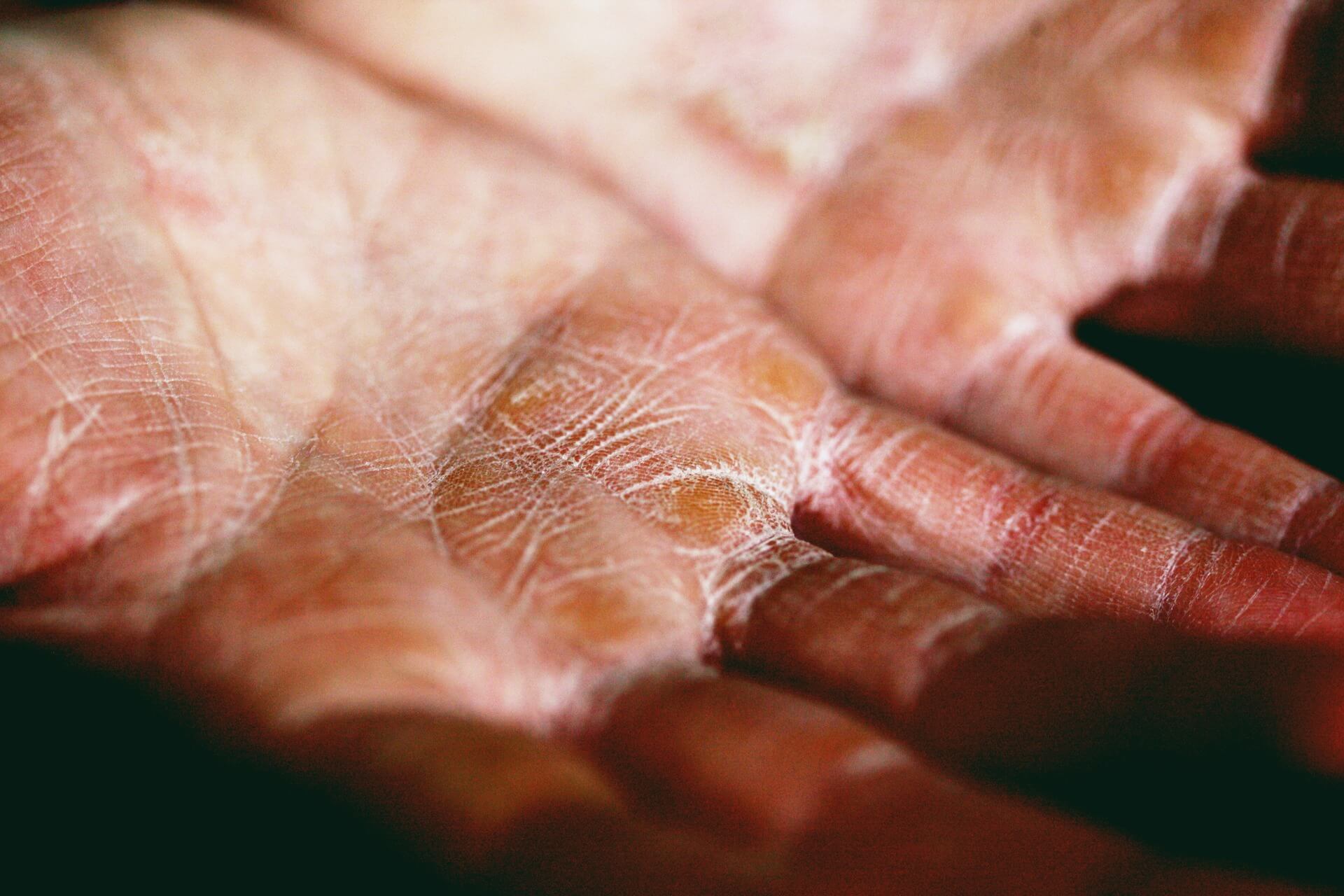
Psoriasis might look like a skin-deep issue, but it’s actually rooted in your immune system. When your immune cells go into overdrive, they speed up how quickly your skin produces new cells, sometimes up to 10 times faster than normal. The result is thick, scaly patches called plaque that feel dry, itchy or inflamed.
About two to three percent of people worldwide live with psoriasis, so you’re far from alone. And despite the myths floating around, it’s not contagious, it’s not caused by poor hygiene and it has nothing to do with “dirty” skin. It’s simply a chronic condition that comes and goes in waves.
There are several types of psoriasis — plaque, which is the most common, guttate, which is often triggered by infections, inverse, which appears in skin folds and pustular, which are small pustules on red skin, but the good news is that all can be managed with the right combination of care, habits and support.

Flares don’t happen out of nowhere. Something is usually stirring the pot behind the scenes. Common psoriasis triggers include stress, infections, cold or dry weather, smoking, heavy alcohol use, skin injuries and even certain medications. Dermatology studies suggest that up to 50% of flare severity can be linked to stress alone, which is why many people notice breakouts during high-pressure seasons.
Your triggers will look different from someone else’s, so the best thing you can do is start a simple “flare diary.” Track what you ate, how you slept, your stress level, weather changes and any products you used. Over time, patterns emerge, such as noticing you flare up after pulling all-nighters or when winter rolls in.
This is where you get to take back control. Small lifestyle shifts can dramatically reduce inflammation, calm your immune system and help your skin feel more comfortable day-to-day.
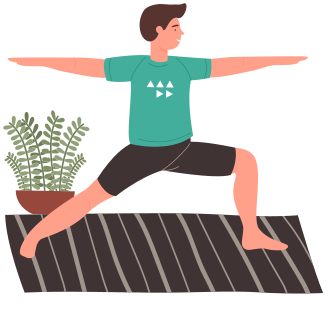
Stress management is the top priority. The core of mindfulness is paying attention to the present moment without judgment, which enables you to recognize stress triggers and respond to them more effectively. Mindfulness, meditation and breathwork do more than just “relax you.” In fact, they lower inflammatory stress hormones. Try starting with a few minutes of guided breathing or yoga daily.
Your diet matters, too. Anti-inflammatory foods like salmon, leafy greens, nuts, seeds, turmeric, ginger and berries can help regulate flare intensity. Many people find that reducing alcohol, sugar and heavily processed foods also makes a noticeable difference.
Movement helps regulate immune activity and it doesn’t have to be intense. Walking, swimming and gentle strength training all support inflammation control. And don’t forget sleep. Poor sleep increases the risk of flares, so aim for consistent rest.
Try this simple starter plan:
These small habits stack up fast and your skin will thank you for them.

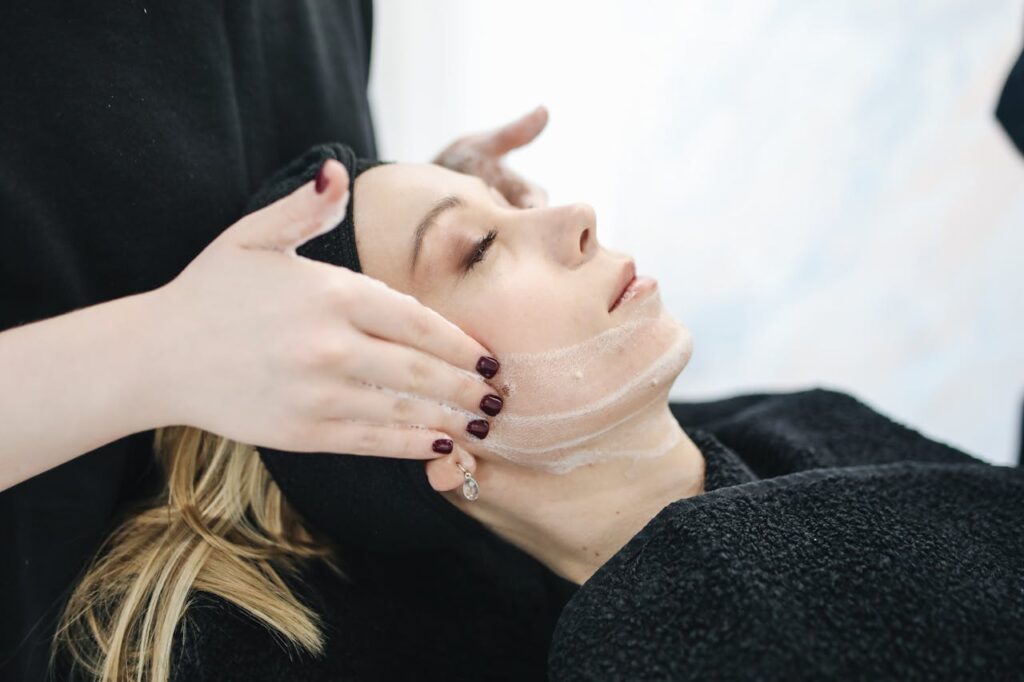
Your skincare routine can either soothe psoriasis or aggravate it without you even realizing. The key is to keep things gentle, hydrating and fragrance-free. Start with mild cleansers and stick to lukewarm showers as heat strips moisture and can trigger flare-ups.
Moisturizing is your best friend. Apply a thick, nourishing moisturizer right after bathing to lock in hydration. Look for ingredients like ceramides, shea butter, glycerin, hyaluronic acid or petrolatum. These help strengthen the skin barrier and ease dryness. For thicker plaques, formulas containing salicylic acid can help loosen scales. However, patch-test first to avoid irritation.
If you deal with scalp psoriasis, reach for shampoos containing salicylic acid or coal tar and gently massage them into your scalp. Avoid scratching or picking the plaques as it can cause something called the Koebner phenomenon, where new patches form after skin injury.
A minor adjustment in routine can yield significant results. For example, many people see reduced redness simply by swapping out their fragranced body wash and adding a nighttime ceramide cream. Consistency is everything here.
When lifestyle and skincare aren’t enough, medical treatments can step in and truly transform your skin. Topicals are usually the first line of defense — think corticosteroids to calm inflammation, vitamin D analogues to slow skin growth, salicylic acid to soften plaques and retinoids to reduce scaling.
If your psoriasis is moderate to severe, dermatologists may recommend phototherapy, specifically narrowband UVB light. This controlled light exposure slows cell growth and often brings significant relief with regular sessions.
For deeper immune involvement, systemic medications and biologics target the pathways driving inflammation. Biologics, such as IL-17 and TNF inhibitors, have shown up to a 90% reduction in plaques for many patients, which are truly life-changing results. They’re typically used when other treatments haven’t worked well enough.
Cost, access and side effects all play a role, which is why consulting a dermatologist is crucial. Often, the best results come from a combination of treatments tailored to your lifestyle, severity and goals.
Psoriasis is very manageable at home, but sometimes your skin needs professional backup. If your plaques are spreading quickly, bleeding, cracking or becoming too painful to manage, it’s time to book an appointment. You should also see a dermatologist if you notice joint pain, stiffness or swelling. Nearly one-third of people with psoriasis develop psoriatic arthritis and early treatment makes a huge difference.
Severe stress, emotional distress or a major drop in quality of life are also signs you need support. Dermatologists can guide you through stronger treatments, combination therapies and long-term management options. And if access is tough, tele-dermatology has made it easier than ever to get expert help from home.
Managing psoriasis is all about establishing small, smart habits and selecting treatments that align with your lifestyle. Whether you prefer natural soaks, targeted skincare, medical treatments or a mix of everything, relief becomes much more achievable once you understand your triggers and support your skin consistently. You don’t have to tackle flare-ups alone. With patience, the right tools and a little trial and error, calmer, healthier skin is absolutely within reach.
Your email address will only be used to send you our newsletter, and at any time you may unsubscribe. For more information, see our Privacy Policy.
