

Body + Mind is reader-supported. We may earn an affiliate commission when you buy through some of the links on our site.
Many people feel that modern life is too chaotic and complex. The need to be constantly online is leading to a digital burnout, such as Zoom fatigue, notification anxiety and banning time-consuming apps. A high screen time might even lead to negative health consequences.
As a solution for this, people are embracing analog hobbies — tactile and screen-free hobbies. They are a great way to disengage from the digital world and be present in the physical world. Discover how you can start your own analog hobbies to improve your mental well-being.
Activities that are creative and hands-on can have a calming and meditative effect. Regardless of one’s skill level, the process of creation feels meaningful rather than passively consuming digital media. Whether it’s a ceramic plate, a charcoal sketch or a fruitful plant, these activities leave a sense of accomplishment.
Additionally, focusing on a single task gives people’s brains a break from the constant context-switching and multitasking of everyday life. These hobbies can trigger a flow state, where time just seems to disappear.
Here are some hands-on hobbies you can try that many people have enjoyed.

Pottery is a very sensory experience. Working with clay engages your sense of touch, pulling your mind away from abstract anxieties and rumination to the present moment. Just the act of placing a lump of clay on the wheel requires focus and engagement. Each different angle of your hands and fingers creates different shapes. The tactile feedback is immediate and meditative.
The several stages of making a single object teach you patience — from molding and drying to glazing and firing. You also learn to embrace imperfectionism with every piece. There are many accessible entry points for this hobby. Join a “try-it” pottery session or just start with inexpensive air-dry kits at home.
Journaling is all about transferring all the mental noise in your head onto paper. It could be anything — to-do list, groceries, bucket list, dreams, stories, record of your day, worries, thoughts and everything else. It’s a form of cognitive offloading that can free up your mind so you can focus on other activities. It also externalizes negative thinking, avoiding its cyclical and intrusive nature on the mind.
Don’t get overwhelmed by writing a perfect entry. Just let out what you’re thinking without worrying if someone is going to read it later. Do a 5-minute morning journal to start writing quickly and effectively. In a study, around 35% of participants felt relief after journaling.
If you’re not a fan of writing, there are other forms you can try. Junk journaling is about finding gems from what people consider trash — from airplane tickets and old cereal boxes to magazine pages and cafe receipts. It’s a great way to express yourself creatively without using words.

Gardening is a great analog hobby because it gets people outside and in nature. With sun exposure, your body produces vitamin D, which is important for strong bones and a healthy immune system. Additionally, the light physical activity, such as digging, weeding and raking leaves, can boost one’s mood and burn calories.
You don’t need a large yard to start gardening. In fact, it’s best to start small, with a few plants, while you grow your skills. Plant a tomato plant in a small container on your balcony, or create an herb garden on a sunny windowsill. It’s an added bonus that you can use the fruits and vegetables in your cooking. You improve your diet by eating produce that is rich in nutrients and free from pesticides.
It also feels deeply rewarding to tend to and nurture life. You are practicing environmental stewardship when growing native plants, as they can support more biodiversity in your area.
Jigsaw puzzles are a great brain workout. You need to sort and arrange pieces while figuring out the bigger picture. It’s a meditative and focused process that helps keep people’s minds mentally sharp. You can also try doing puzzles with others. The activity promotes teamwork, communication and a shared sense of accomplishment.
Start with puzzles with lower piece count, such as those with 300-500 pieces. Large puzzles with tiny pieces can make you feel frustrated. In the end, the puzzle might not be completed. It’s more important to start with easier puzzles where you can experience the joy of problem-solving. You build confidence as you accomplish more sets. It’s a great, low-stakes hobby that teaches you the power of perseverance and patience.
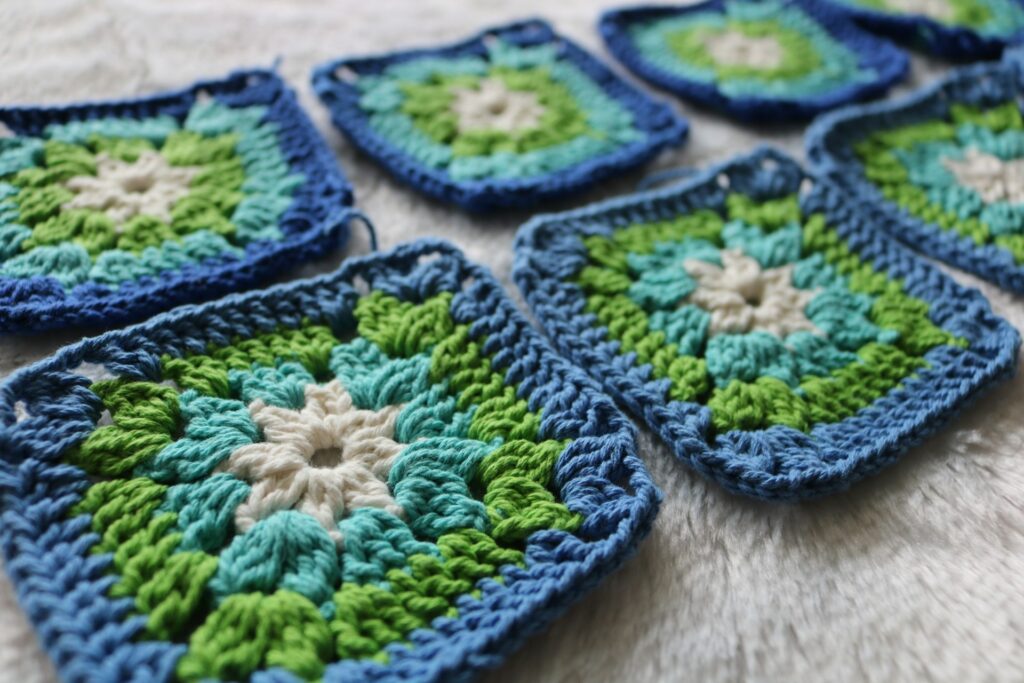
Both knitting and crocheting involve rhythmic and repetitive motions, which can induce a state of relaxation. It helps keep a calm mind since you need to focus on creative loops. Learn basic stitches such as a chain stitch and a slip stitch for crochet and a knit stitch and a purl stitch for knitting. Then choose from plenty of beginner-friendly projects available to get started. You can create simple scarves, washcloths, headbands and coasters.
Start building your knitting or crochet kit. Buy a few yarns, hooks or needles, sharp scissors and tapestry needles to weave the ends of the yarn. Tape measures and markers are also great to have. The yarns you choose ultimately depend on your project. However, beginners are usually recommended to start with acrylic since they are affordable, easy to use and can be found in most craft stores.
It’s also a great way to spruce up your wardrobe. There’s something special about wearing something that you made, compared to mass-produced clothes that immediately go out of style. The most rewarding part of this analog hobby is seeing friends and family proudly wear your pieces.
In a world that constantly asks for your attention, choose to dedicate your time to analog hobbies. They reduce stress, improve focus and give you a sense of accomplishment from creating. You don’t have to create masterpieces right away. Start by putting your phone down for just 30 minutes. Choose an activity and practice in small increments.
Your email address will only be used to send you our newsletter, and at any time you may unsubscribe. For more information, see our Privacy Policy.
