If your feed has been flooded with berberine lately, you’re not imagining it. This plant compound has earned a flashy nickname, “nature’s Ozempic,” and thousands of testimonials promising blood sugar balance, weight loss and more. Before you add another supplement to your cart, here’s what the research actually shows and where the hype starts to outrun it.
What Is Berberine?
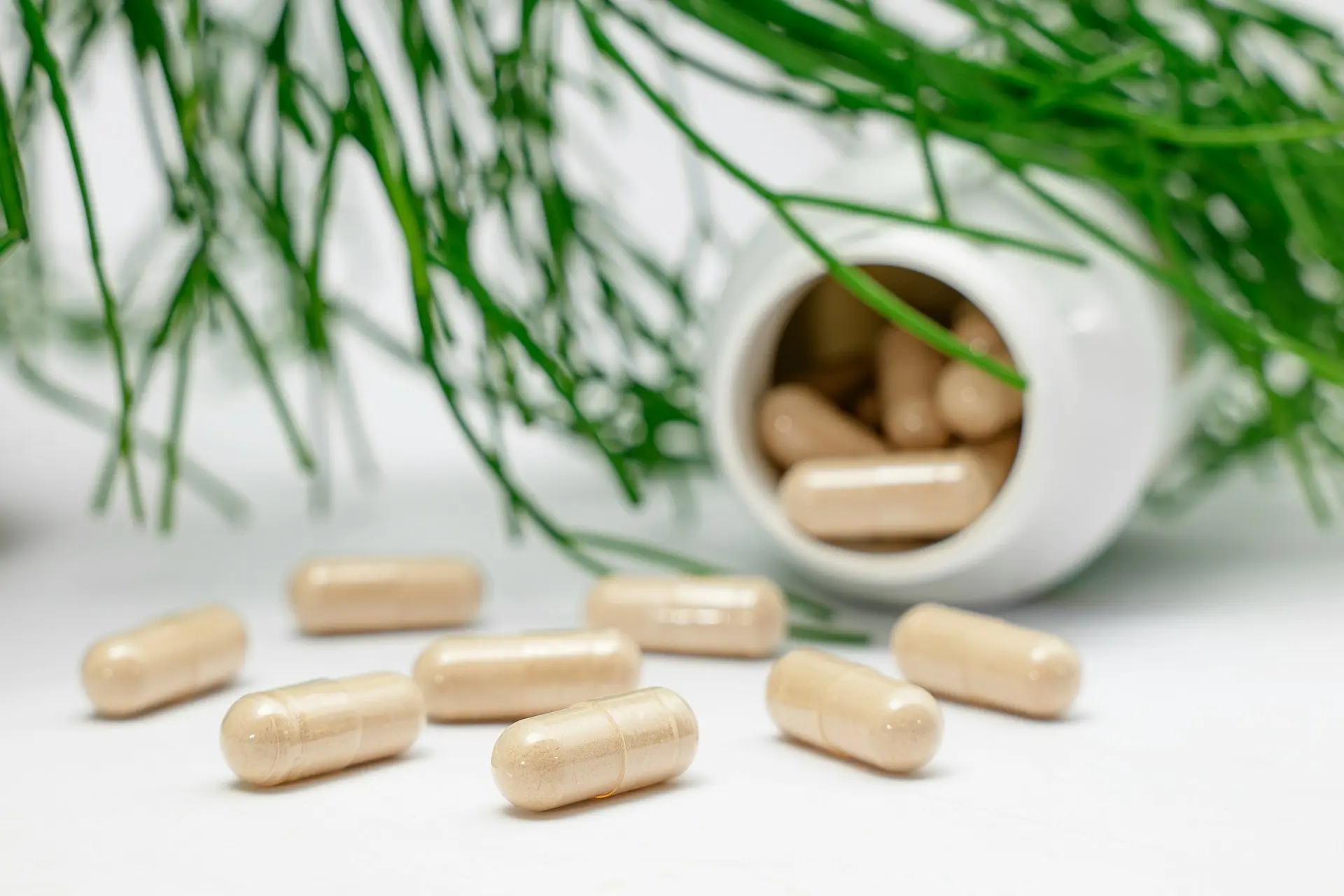
Berberine is a bright yellow compound extracted from plants like goldenseal, Oregon grape, and barberry. Traditional Chinese medicine and Ayurverdic practitioners have used it for centuries to settle upset stomachs, calm inflammation and fight infections, often brewed into teas or ground into pastes applied directly to the skin. So, what is berberine in its modern form? Nothing like a bark tea. Today, it comes concentrated into capsules, standardized to a specific dose and marketed as a supplement rather than a folk remedy.
That shift is notable. The compound researchers study now is the same molecule, just isolated and dosed with more precision than any grandmother’s recipe ever offered. It’s also why comparing older traditional use to current clinical research can get confusing. A centuries-old digestive remedy and a standardized 500-milligram capsule tested in a randomized trial aren’t quite the same product, even though they share a name.
Understanding what this compound actually does inside your body, rather than what a trending audio clip claims, is the knowledge you need to incorporate this into your daily life safely.
Why Everyone’s Suddenly Talking About It
If you’ve spent any time on social media this year, you’ve probably seen berberine referred to as “nature’s Ozempic.” The comparison caught on because both touch similar biological pathways involved in blood sugar regulation. Berberine activates an enzyme called AMPK, which helps regulate how your cells use glucose and fat. Some researchers believe it may also nudge the body toward producing more GLP-1, the hormone Ozempic mimics directly.
That overlap is real, but the nickname oversells it. Ozempic is a prescription drug tested in massive clinical trials for this exact purpose and it requires a prescription and ongoing medical supervision.
Berberine sits on a supplement shelf, available without a prescription and based on a much smaller and more mixed body of evidence. Part of the appeal is accessibility. You don’t need prior authorization or insurance approval to try it, which explains why so many people reach for it first. Accessible isn’t the same as equivalent, though, so keep that in mind before assuming the two work in the same way.
What the Research Actually Shows
In a trial published in JAMA Network Open in January 2026, researchers tested whether berberine could reduce visceral and liver fat in adults with obesity and a fatty liver condition called MASLD, rather than assuming the supplement would work as social media claims. This kind of scrutiny helps because much of berberine’s reputation has developed online rather than in a lab.
Earlier research backs up some of the excitement. A two-month trial in overweight adults with impaired fasting glucose found that those taking a berberine supplement improved glycemia and visceral fat measures compared with the placebo group, along with modest improvements in cholesterol ratios and insulin levels.
A separate 12-week trial combining berberine with cinnamon in people with type 2 diabetes found that pairing lowered fasting blood sugar and HbA1c and resulted in a meaningful drop in LDL cholesterol.
Not every study agrees, though. A 2022 randomized controlled trial in people with non-alcoholic fatty liver disease found no significant difference in cholesterol or blood sugar levels between the berberine group and the control group. Supplements rarely work identically for everyone and berberine seems to follow that same pattern.
Berberine isn’t the only supplement people research for blood sugar support, either. Guar gum, an entirely different fiber-based compound, produced a 20% drop in LDL in one trial involving people with prediabetes. If you’re weighing supplement options for blood sugar or cholesterol support, berberine is one candidate among several worth researching.
How to Take Berberine
Most studies use doses somewhere between 500 milligrams and 1.5 grams a day, split into two or three smaller doses rather than one large one. Taking it with meals helps your body absorb it more evenly and tends to ease the most common side effects. If you’re considering it:
Start slow. Begin with a smaller dose and build up over one to two weeks instead of jumping straight to a full amount.
Take it with food. Berberine on an empty stomach is far more likely to cause cramping or nausea.
Expect some digestive adjustment. Diarrhea, constipation and mild stomach upset are common in the first couple of weeks and tend to fade as your body adjusts.
Give it time. Most trials run eight weeks or longer before measuring results, so a few days without noticeable change is normal.
Who Should Talk to a Doctor First
Berberine isn’t right for everyone and a few groups should check with a doctor before trying it. Pregnant and breastfeeding women should avoid it entirely. The National Center for Complementary and Integrative Health warns that berberine exposure has been linked to harmful bilirubin buildup in infants, which can lead to serious complications. It also isn’t appropriate for young children under any circumstances.
If you take other medications, this is especially important. Berberine interacts with drugs like cyclosporine, used to prevent organ transplant rejection and it can amplify the effects of diabetes medications and blood thinners. Anyone managing a chronic condition with prescription medication should loop in a doctor or pharmacist before adding berberine to the mix, rather than assuming natural automatically means safe alongside everything else.
Sorting the Science From the Scroll
Berberine has earned its moment in the spotlight and some of that attention is deserved. The research on blood sugar and cholesterol is real, even if it’s not the miracle some online concerns suggest. Treat it the way you’d treat any supplement with genuine evidence behind it. Start slow, watch how your body responds and loop in your doctor if you take other medications. Your curiosity got you this far and a little caution will get you the rest of the way safely.