


Body + Mind is reader-supported. We may earn an affiliate commission when you buy through some of the links on our site.
If you’ve ever felt a nagging itch “down there,” you’re not alone. While many people are well aware of the importance of proper gut health, they probably don’t know much about the vaginal microbiome. The complexity of vaginal bacteria is critical to women’s health, impacting everything from preventing infections to fertility.
The vaginal microbiome contains billions of microorganisms, although it is much less diverse than the gut. Lactobacilli typically dominate, helping the vagina maintain a pH level of 3.5 to 4.5 that prevents pathogen overgrowth.
About 9% of the body’s total microbial makeup comes from the female reproductive tract, including the vulva, vagina, cervix, fallopian tubes, ovaries and endometrium. Recent studies have even found a link between the female reproductive tract microbiome and vaginal health, reducing the risk of preterm births, urological infections and sexually transmitted infections (STIs).
Menstruation, sex and menopause can impact its composition. For instance, your period could increase your sensitivity to bacterial vaginosis (BV) because menstrual blood hosts bacterial growth while altering pH.
Emerging research indicates there’s a connection between vaginal dysbiosis and urinary tract infections (UTIs). UTIs affect 50% of women throughout their lifetime, with E. coli, Klebsiella, Staphylococcus, and Candida among the most commonly detected pathogens. Some women experience up to six infections annually. When this occurs, the urinary tract, perineum, gut and vagina demonstrate an imbalanced microbiome.

A vaginal microbiome imbalance is defined as having a reduction in beneficial Lactobacilli and an increase in harmful bacteria or yeast. The risks associated with this include:
Researchers have found that vaginal dysbiosis can lead to recurrent implantation failure for women undergoing in vitro fertilization-embryo transfers. This is because vaginal microbiota is a determinant of successful embryo attachment and pregnancy. Without adequate Lactobacillus, the reproductive tract becomes a pro-inflammatory environment unsuitable for implantation.
New research also links vaginal dysbiosis to high-risk human papillomaviruses (HPV). Nearly 90% of cervical cancer cases come from persistent HPV infection. An imbalance of vaginal microbiota is also associated with ovarian and endometrial cancers.
Do you notice a strange fishy smell, discharge discoloration, or vaginal itching and burning? You could have BV or a yeast infection, which occurs when the vagina has bacterial overgrowth or a fungus.
Nearly 35% of women between 15 and 44 will develop BV, with cases particularly high among Black women. In addition to color and odor changes, you might also experience painful intercourse and repeated infections.
Although mild symptoms are usually temporary and disappear independently, you should call your health care provider if symptoms worsen or persist. They can prescribe medicine to clear up an infection if over-the-counter treatments don’t work.
Whether you are a teenager who has just started menstruating or are reaching menopause, maintaining a healthy female reproductive tract microbiome is critical. Here’s how to overhaul your lifestyle for a more balanced vaginal ecosystem.
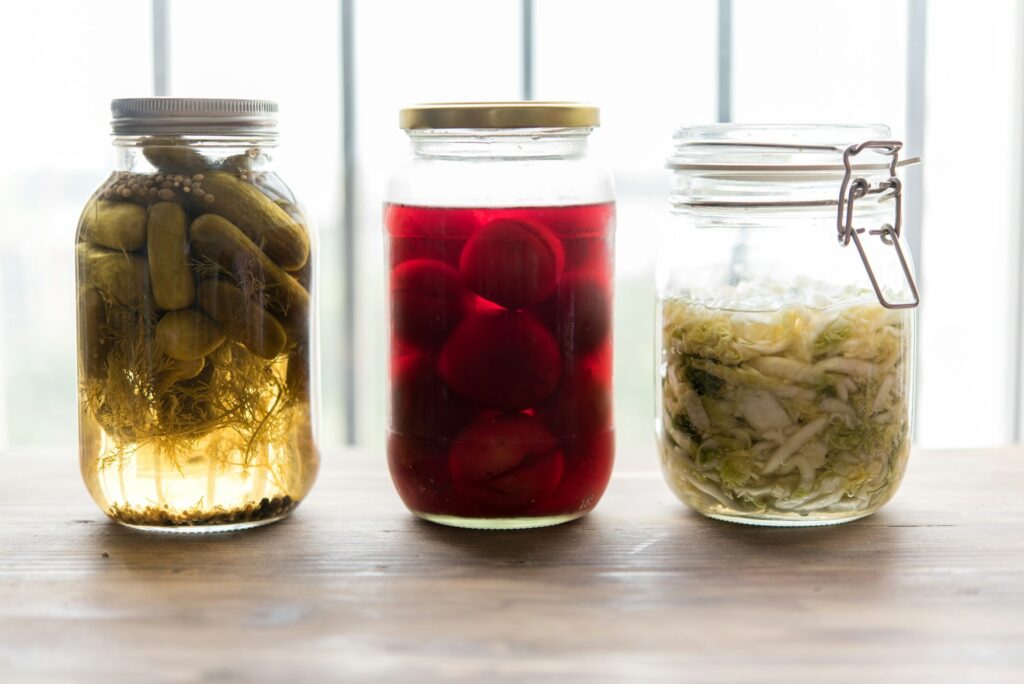
Nutrition is critical for gut health, so you should optimize your diet for vaginal wellness, too. Prebiotics — garlic, onion, bananas and oats — help the good flora grow, while probiotics are live bacteria. Probiotic-rich foods include yogurt, sauerkraut, kombucha, kimchi and other fermented items.
Lactobacillus and other bacteria have special compounds that allow them to adhere to the mucus on your vaginal walls. They form a biofilm, which acts as a protective shield to keep harmful bacteria from sticking to vaginal cells. Eating pre- and probiotic-rich foods introduces more good bacteria to that area.
Adopting lifestyle habits aimed explicitly at a healthy vaginal microbiome is essential to ensuring the good bacteria remain balanced. Always practice safe sex by using condoms to avoid introducing harmful bacteria and sexually transmitted infections.
Douching and applying harsh soaps can disrupt your nether region’s natural flora balance. Despite never-ending options for vaginal cleansing products, the vagina is a self-cleaning powerhouse. Mounting evidence indicates that using these products can actually increase your risk of BV, cervical cancer, upper genital tract infections and HPV.
You should also wear breathable cotton underwear to reduce moisture and improve air circulation, and practice relaxation techniques to boost your immune system overall.
Call your doctor if you suspect a vaginal infection or experience ongoing discomfort. When left untreated, some conditions — such as vaginal yeast infection — may result in bleeding and open sores, swelling and cracked skin around the affected area.
A medical provider can accurately diagnose the problem and prescribe proper antibiotics to clear it up and provide relief. They can also guide you through selecting the right supplements and probiotics for vaginal health.
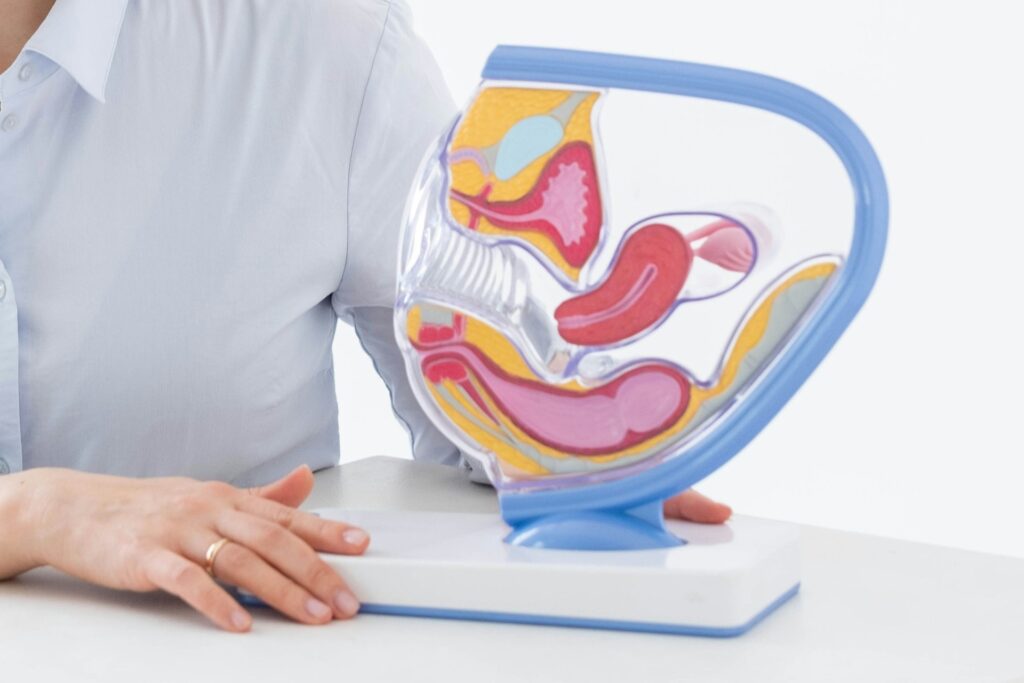
Despite women’s health being widely underresearched with extensive knowledge gaps, the future of vaginal microbiome research offers a glimmer of hope for diagnostics and personalized medicine.
For example, 5% to 10% of women have polycystic ovarian syndrome (PCOS) during their childbearing years. It’s a complex and challenging condition in which their bodies produce excess male hormones, causing infertility, weight gain, hirsutism, acne and insulin resistance, among other symptoms.
According to one study, vaginal bacteria could be a biomarker for PCOS, with 0.2% higher levels of Mycoplasma indicating the likelihood of having it. An abundance of Actinomyces and less Lactobacillus is also common in PCOS patients. The findings can improve point-of-care tests with faster diagnosis and better access to available treatments.
Scientists are also exploring vaginal microbiome transplants, in which they replace an unhealthy microbial community with a beneficial one for restored balance — a game-changer in treating recurrent infections like BV.
Prioritizing balancing your vaginal microbiome is critical for long-term health, helping you prevent ghastly infections and boosting reproductive outcomes. Embrace lifestyle habits that improve your overall wellness and make informed choices about your feminine hygiene, seeking professional medical advice when necessary. Remember that knowledge is power, and communicating with other women will provide the support you need at every stage of life.

Your email address will only be used to send you our newsletter, and at any time you may unsubscribe. For more information, see our Privacy Policy.
