

Body + Mind is reader-supported. We may earn an affiliate commission when you buy through some of the links on our site.
Spirulina has been around for centuries. The Aztecs used ot, NASA studied it for long-haul space missions and now it’s showing up in your smoothie aisle in more forms than ever. The science is starting to back up what wellness communities have been saying for years, so here are 14 spirulina benefits worth knowing, whether you’re already a convert or just getting curious.
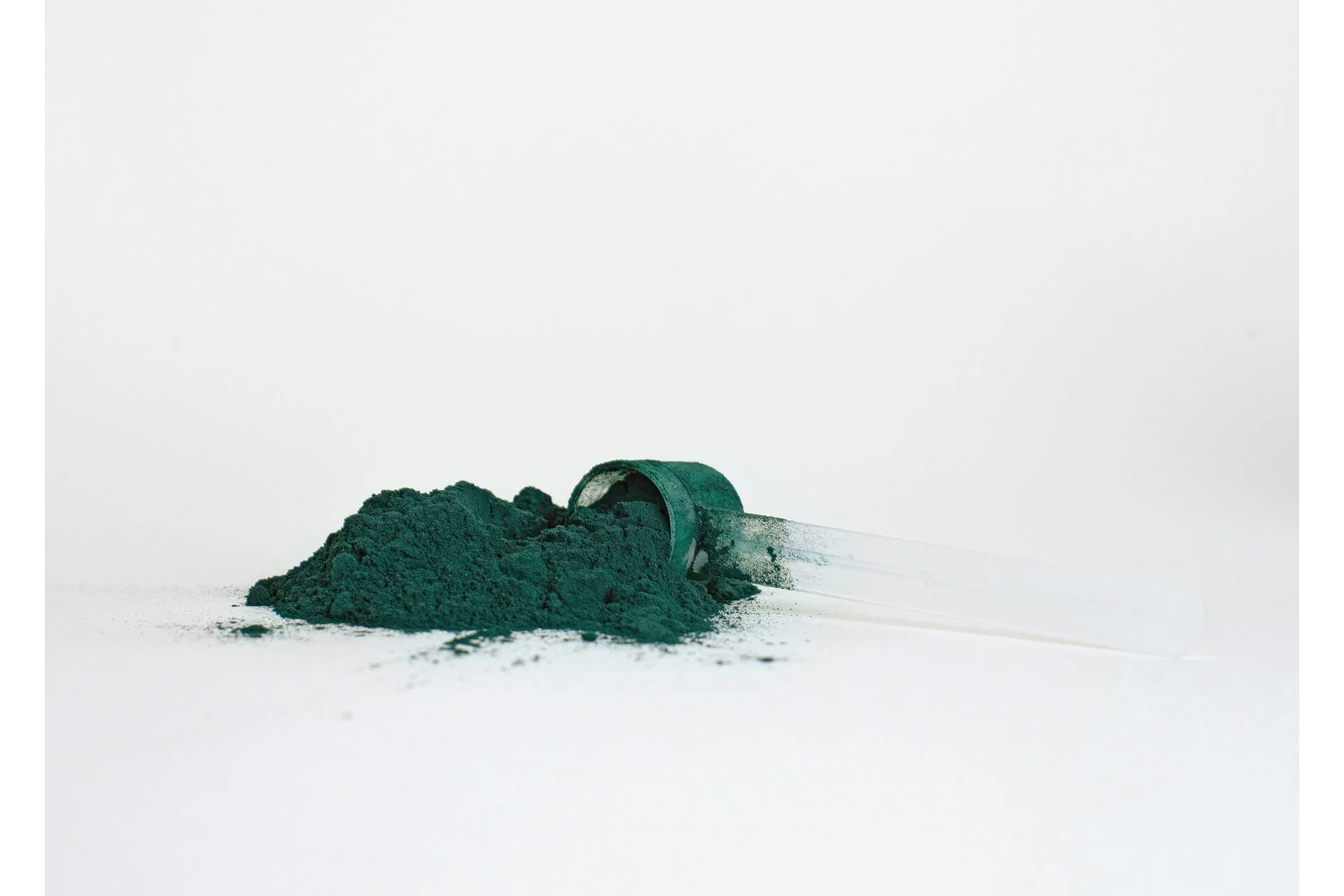
Spirulina is a type of cyanobacteria, a microscopic algae that grows in fresh and salt water. You’ve probably seen it as a deep green powder, but there’s also blue spirulina, which is processed to isolate the pigment phycocyanin. That gives it a milder taste and the vivid color you’ll recognize from smoothie bowls. Both versions are nutrient-dense. Blue spirulina benefits extend beyond the aesthetic.
A single tablespoon of spirulina contains protein, B vitamins, iron, copper and a range of other minerals. It’s one of the more nutrient-dense foods you can add to a diet. Studies show it provides small amounts of most nutrients your body needs daily, which is partly why it caught the attention of researchers exploring long-term nutrition for space travel.
Spirulina is roughly 60% to 70% protein. That’s higher than most animal sources and significantly more than common plant proteins like lentils or tofu. The amino acid profile is solid, too, covering all essential amino acids, though methionine and cysteine run lower than in animal protein. For a plant-based eater, it’s one of the more complete options available.
Some animal studies and small human trials suggest that spirulina may help lower fasting blood glucose levels. One study found reduced HbA1c levels in people with type 2 diabetes, a marker of long-term blood sugar control. The evidence is still developing and human trials tend to be small, so think of it as a promising dietary addition rather than a stand-alone treatment.

Research suggests spirulina may reduce LDL cholesterol and triglycerides while raising HDL levels. A 2016 meta-analysis looking at multiple trials found consistent lipid improvements in participants taking spirulina supplements. The effect sizes were modest but meaningful, especially given that the intervention was a food-based supplement rather than a pharmaceutical.
Phycocyanin, the pigment that gives blue spirulina its color, inhibits certain inflammatory signaling molecules. Chronic low-grade inflammation is linked to joint pain, metabolic problems and more, so foods that help dampen that response are worth paying attention to. Just as pineapple contains the anti-inflammatory substance bromelain, spirulina offers its own unique compounds to combat inflammation. Most of the evidence here comes from lab and animal studies, but the direction is consistent either way.
Beyond phycocyanin, spirulina contains beta-carotene and other compounds that neutralize free radicals. Free radical damage is linked to accelerated aging and increased disease risk, so an antioxidant-rich diet genuinely matters. Spirulina’s antioxidant capacity is one of the more consistently supported findings in research. It won’t undo a poor diet, but it adds real value alongside a reasonably balanced one.

Spirulina is high in B vitamins, particularly B1, B2 and B3, which play a direct role in converting food into energy. Its iron content is relevant, too, since low iron is one of the most common causes of fatigue and spirulina is a decent plant-based source. Some people notice real improvements after regular use, though research in healthy adults remains limited.
Several studies have found that taking spirulina regularly can reduce blood pressure in people with hypertension. The proposed mechanism involves phycocyanin stimulating nitric oxide production, which helps relax blood vessels. Effects appear more pronounced at higher doses and in people who start with elevated readings. It’s not a substitute for medication, but the data here is reasonably consistent.
Spirulina appears to promote beneficial bacteria in the gut while supporting harmful strains. Some research also points to reduced gut inflammation. The microbiome influences everything from digestion to immunity to mood, so supporting it in the diet matters. The spirulina-specific gut research is still early, but the findings align with what you’d expect from a nutrient-dense, anti-inflammatory food.
A handful of clinical trials have examined spirulina’s effects on allergic rhinitis, the nasal congestion and sneezing associated with hay fever. Results have shown that participants taking spirulina reported reduced discharge, sneezing and congestion compared to placebo groups, an effect thought to involve its anti-inflammatory properties.
Spirulina’s antioxidant and anti-inflammatory profile may help reduce exercise-induced oxidative stress. Small trials found that athletes taking spirulina experienced less muscle damage and faster recovery after intense sessions. Some data suggest mild improvements in endurance, too.
Spirulina has been shown to reduce total cholesterol and LDL while preserving or improving HDL. Some studies also found reductions in triglycerides. These effects have shown up across multiple trials, which strengthens the case. Improvements were observed at doses between one and eight grams daily, which are realistic to achieve through supplementation without dramatic dietary changes.
Emerging evidence suggests spirulina’s mix of iron, B vitamins and antioxidants may support cognitive function. Experts closely associate iron deficiency with brain fog and reduced focus and correcting it through diet can make a noticeable difference. Spirulina contributes meaningfully to iron intake.
Scientists process blue spirulina to preserve phycocyanin while cutting most of that grassy, oceanic flavor that puts people off the green version. That makes it far easier to use daily. The blue spirulina benefits center on phycocyanin, including anti-inflammatory, antioxidant and potentially neuroprotective properties that are drawing more research attention.

The evidence varies in strength across these benefits and some areas still need more large-scale human research. However, across protein content, antioxidants, heart health and inflammation, the science is solid. If you’re ready to try it, find a supplement that fits into your daily routine and start enjoying the benefits after using it consistently for a few weeks.

Your email address will only be used to send you our newsletter, and at any time you may unsubscribe. For more information, see our Privacy Policy.
