

Body + Mind is reader-supported. We may earn an affiliate commission when you buy through some of the links on our site.
Your fitness tracker probably tells you how many steps you took, how long you slept and whether your heart rate spiked during that Tuesday afternoon meeting. But there’s one metric sitting in the data that most people scroll right past. Heart rate variability, or HRV, might be the most honest window into how your body is actually doing. And once you understand it, you’ll wonder why you ever ignored it.
Most people assume heart rate is about how fast your heart beats. HRV is about something slightly different. It measures the time interval between heartbeats. So even if your heart beats 60 times a minute on average, those beats aren’t evenly spaced. Some gaps are a little longer and some are a little shorter. That natural unevenness is your HRV.
It sounds like a small distinction, but it tells you something resting heart rate can’t. Your autonomic nervous system, the part of your body that handles stress responses, recovery and rest, directly controls those intervals. When you’re calm and well-rested, your nervous system has more flexibility. That flexibility shows up as higher HRV. When you’re stressed, sick or run down, the intervals tighten and your HRV drops. Think of it less as a heart measurement and more as a nervous system report card.
HRV isn’t just an interesting data point. It’s one of the more reliable signals your body sends about how it’s coping with everything you’re throwing at it.
Research has linked low HRV to a higher risk of cardiovascular disease, burnout and poor sleep quality. Lower HRV is associated with reduced stress resilience and slower recovery from both physical and emotional strain. Athletes have used HRV for years to decide when to push hard in training and when to pull back; with the rise of global fitness challenges like Hyrox, which had over 90,000 athletes participating in 2023, that data has become even more crucial.
But you don’t need to be a professional athlete to find it useful. If you’ve ever had a week where you slept what felt like enough but you still woke up exhausted, HRV can often explain why. Your body was in recovery mode, even if your sleep tracker gave you a passing grade.
It’s also worth knowing that HRV tends to predict things before you feel them. A dip in your numbers can show up a day or two before you come down with a cold or crash from overtraining.
Quite a lot, as it turns out. Sleep is the biggest lever. Poor or inconsistent sleep tanks HRV faster than almost anything else. Alcohol is another one that surprises people. Even a glass or two the night before can noticeably suppress your HRV the following morning, regardless of whether you feel hungover.
Stress, both physical and emotional, pulls down the numbers. So does illness, even mild illness you might not have noticed yet. On the flip side, regular aerobic exercise, good nutrition and low chronic stress tend to push HRV higher over time.
Age matters, too. HRV naturally declines as you get older, which is completely normal. A 55-year-old with strong HRV for their age is in a very different position than a 25-year-old with the same number and comparing them doesn’t tell either person anything useful.
Individual variation is real and significant. Two people with identical lifestyles can have very different baseline HRVs. Your trend line matters far more than any single reading.
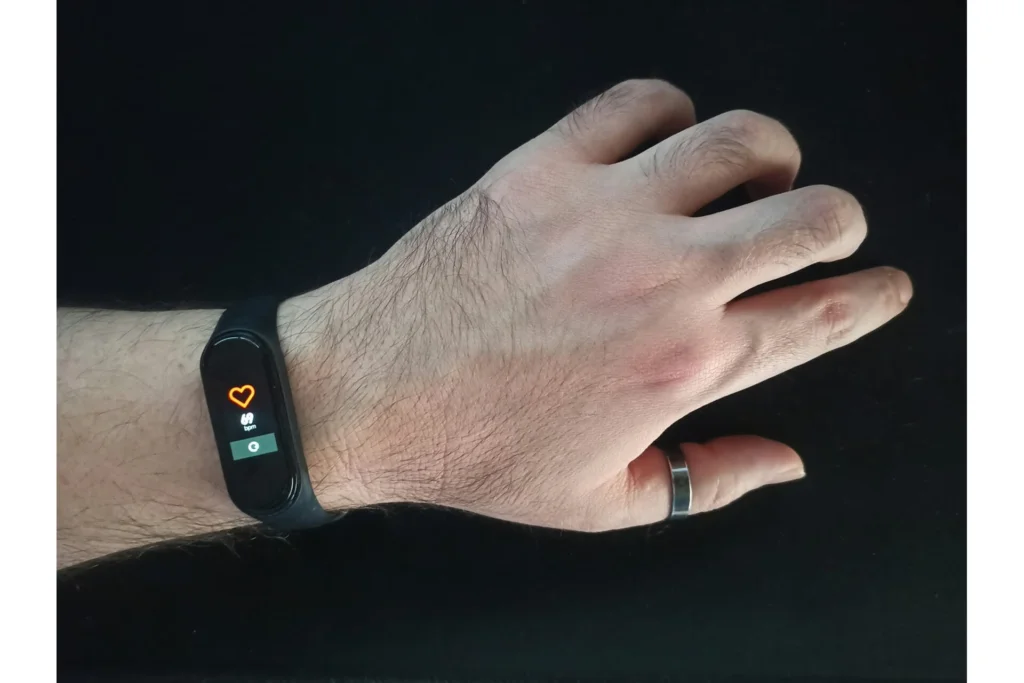
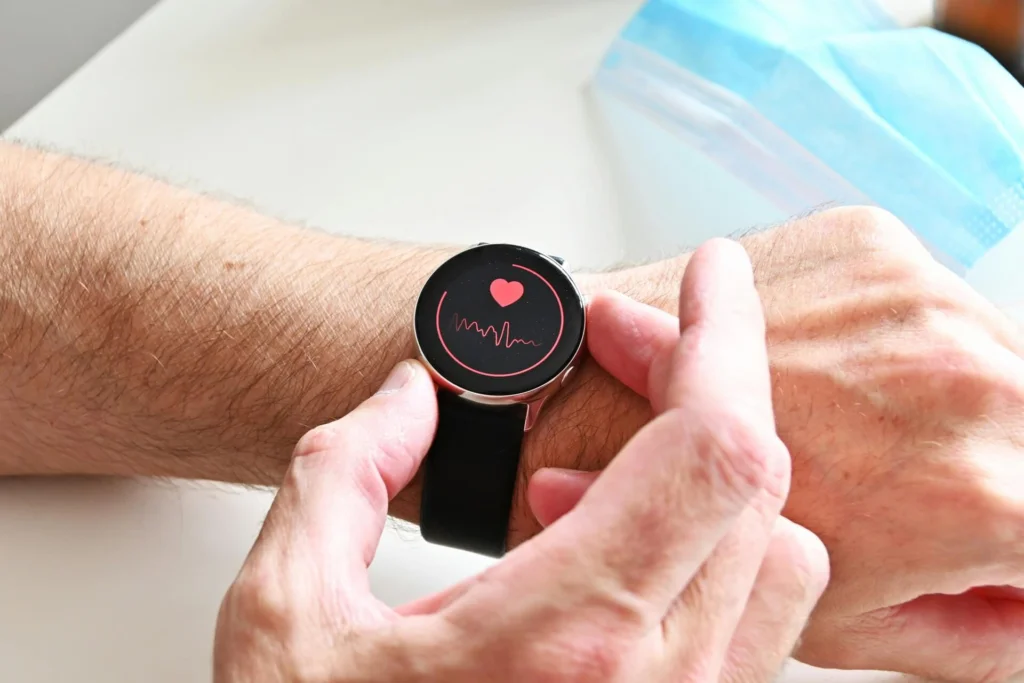
Most modern wearables track HRV now. Whoop, Garmin, Oura Ring and Apple Watch all offer it in some form. The method and accuracy vary by device, but for most people, the consistency of the device matters more than which device they pick. Switching between devices partway through will muddy your data.
Most wearables capture HRV during sleep, specifically in the early hours when your nervous system is most stable. That overnight average is generally more reliable than midday spot checks, which can swing significantly depending on what you were just doing.
The key habit is checking it over time, not obsessing over a single morning’s reading. Seven to 14 days of data starts to tell you something. A month gives you real context.

The good news is that HRV responds to lifestyle changes. The less good news is that improvement is gradual. There’s no shortcut that moves the needle overnight.
Consistent sleep is the most effective starting point. Going to bed and waking at roughly the same time, even on weekends, gives your nervous system the predictability it needs to properly recover.
Slow, controlled breathing is one of the more well-researched interventions. Breathing at around five to six breaths per minute for just a few minutes a day has been shown to stimulate the vagus nerve and nudge HRV upward over time. Paced breathing exercises can help you build the habit.
Cutting back on alcohol, staying on top of chronic stress and keeping up with aerobic exercise all contribute steadily. Cold exposure and meditation also appear in the research as emerging strategies, though the evidence is still developing.
None of these are dramatic change. They’re the same fundamentals that support your health in general. HRV just gives you a concrete way to see whether they’re actually working.
This question comes up often and the honest answer is that it depends. HRV varies enormously by age, sex, fitness level and even the device you’re using. The average HRV for people in their 20s tends to fall between 55 and 105 milliseconds. By the time you reach your 50s, that range typically drops to 25 to 45 milliseconds. Neither is good nor bad in isolation.
What matters is your baseline and which direction it’s moving. A consistent upward trend means your body is adapting well. A sustained dip is usually a signal that something needs attention. Track your own data and resist the urge to compare it to anyone else’s.
You don’t need to become obsessive about HRV to benefit from it. You just need to start noticing it. Check your trend over a few weeks, see what happens after a stressful stretch, a night of drinking or a particularly solid week of sleep. Your body is giving you feedback all the time. HRV is one of the clearest ways to actually read it.

Your email address will only be used to send you our newsletter, and at any time you may unsubscribe. For more information, see our Privacy Policy.
