

Body + Mind is reader-supported. We may earn an affiliate commission when you buy through some of the links on our site.
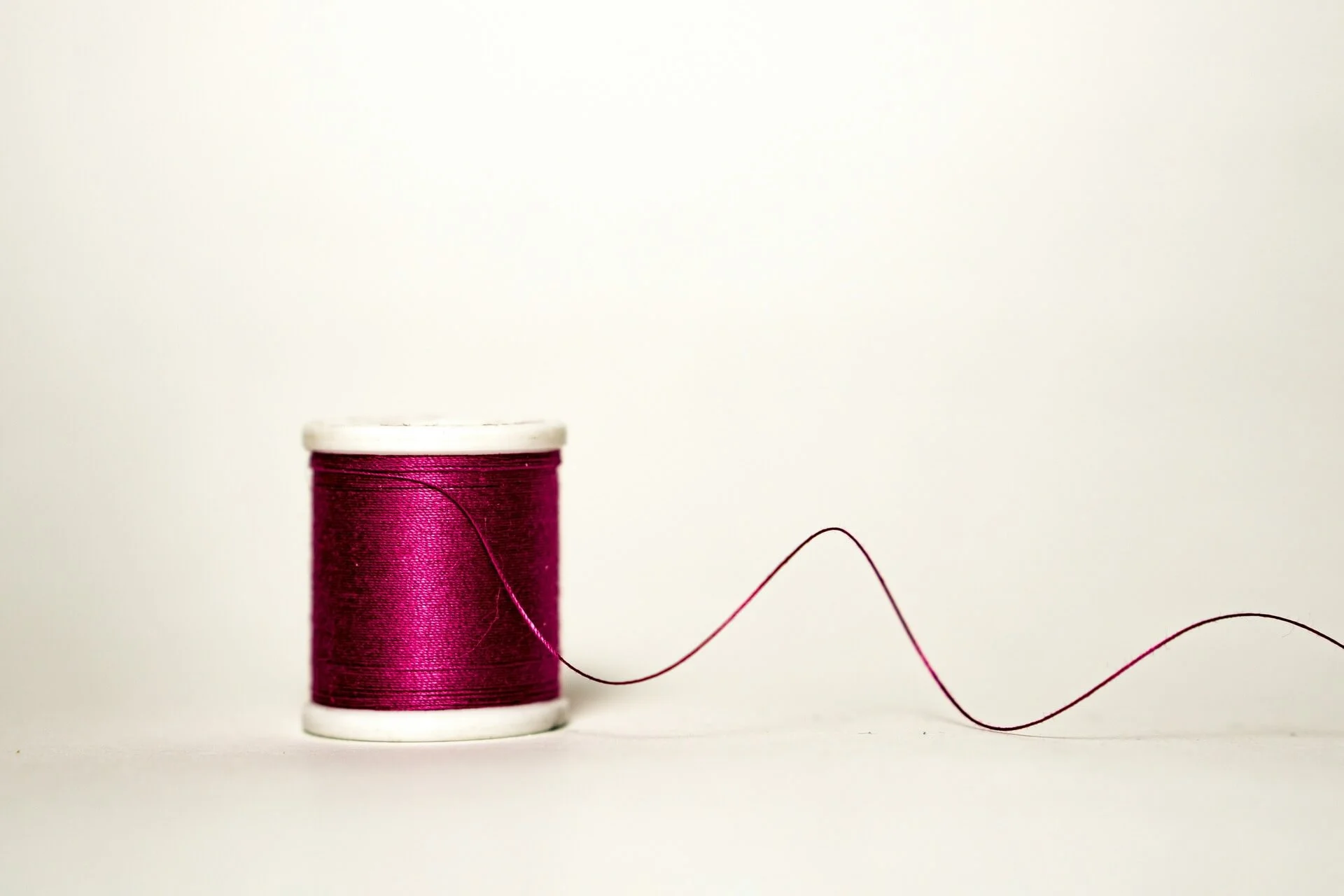
If you’ve ever felt like someone was meant to be in your life, you’ve experienced the invisible string theory. It’s the idea that every human is connected by unseen threads pulling them toward people they’re destined to meet. But is it meaningful magic or just a feel-good metaphor? Tug on the thread to find out.

The invisible string theory states that you’re spiritually connected to certain people. These people are often considered soulmates, twin flames, or destined partners, and you’re connected by an unseen thread. No matter how far apart you are or how much time passes, the thread gently pulls you back together when the time is right.
The roots of this belief trace back to East Asian folklore, particularly the Chinese and Japanese myth of the “Red Thread of Fate.” According to legend, the gods tie an invisible red string between people who are meant to meet or help each other in some meaningful way. The thread may stretch or tangle, but it never breaks.
In modern times, the invisible string concept has resurfaced through pop culture and the wellness world. From Taylor Swift’s dreamy song “Invisible String” to trending TikTok videos about “cosmic love,” it’s everywhere. People are drawn to the idea because it provides a comforting sense of destiny. It reassures people that the connections meant for them — romantic or otherwise — won’t pass them by.
There have been many theories about finding your soulmate, including that if the moon phases from the day you were born create a full moon, you’re meant to be and the invisible string theory is another way of people assessing their potential compatibility. Whether you see it as spiritual symbolism or poetic metaphor, the invisible string theory has become a popular lens through which people interpret love, timing and serendipity.
While there’s no lab test to detect your invisible string, psychology does offer insight into why people feel destined to meet certain people. One explanation lies in attachment theory — the idea that early emotional bonds shape how people connect with others later in life. When someone feels deeply familiar or magnetic, it may be your nervous system recognizing a pattern, not magic.
Then there’s synchronicity, a term coined by Carl Jung, which refers to meaningful coincidences that seem too perfect to ignore. Like thinking of someone and they suddenly text. Or repeatedly bumping into a person you’ve never met before. Synchronicity often reinforces the idea that the universe is guiding people through unseen threads.
Some fans of the invisible string theory also reference quantum entanglement, a phenomenon where particles remain connected no matter how far apart they are. While it’s a leap to connect that directly to human relationships, it does feed into the idea that distance doesn’t have to sever connection.
Humans are wired to seek meaning and patterns — enter confirmation bias. Once you believe in invisible strings, you’ll likely spot them everywhere. And maybe that’s not a bad thing, as long as you stay grounded.

Humans crave connection, especially after years of isolation, uncertainty, and digital overload. That’s why the invisible string theory has found a cozy home in the wellness world. It taps into humans’ longing for reassurance that they’re not drifting alone.
This theory aligns with several key wellness trends. The rise of romantic spirituality — think twin flames, past-life love, and karmic lessons — encourages people to believe there’s meaning behind their deepest connections. The invisible string becomes a tool for romance, emotional healing, and inner peace.
It also supports a mindfulness mindset — trusting that things will align when the timing is right, and that people come into your life for a reason. Letting go of the need to control every outcome is a massive wellness win.
Wellness influencers and therapists alike now incorporate invisible string theory into journaling prompts, intention-setting rituals and even inner child work. Whether literal or symbolic, the idea gives us permission to relax into life’s natural flow — trusting the string will do its thing.
If the invisible string theory resonates with you, it can be more than just a poetic idea — it can be a mindful practice. Here’s how to work with it in a grounded, empowering way:

While the invisible string theory can be beautiful and healing, it’s not immune to misinterpretation. Here are a few pitfalls to avoid:
Therapists often encourage balancing belief with boundaries. You can honor the feeling of deep connection and still choose what’s best for your emotional health.
The invisible string theory may not be science, but it offers something just as powerful — hope, meaning, and connection. It reminds people to trust life’s timing, notice synchronicities, and stay open to reconnection. So, if something — or someone — keeps pulling at us, maybe we should follow the thread. Just don’t lose yourself in the knots.

Your email address will only be used to send you our newsletter, and at any time you may unsubscribe. For more information, see our Privacy Policy.
