

Body + Mind is reader-supported. We may earn an affiliate commission when you buy through some of the links on our site.
At first, I thought the zero-waste lifestyle was impossible. It sounded like a constant battle between perfectionism and the quest for an empty trash can. However, it became easier once I embraced a new mindset. Now, I’m focused on reducing consumption and making intentional choices.
Implementing zero waste takes time. After all, Rome wasn’t built in a day. Here are eight ways I incorporate the lifestyle into my daily life.
First, I considered what I’m bringing into my house. Grocery shopping is a weekly trip for me, so it’s a meaningful way to reduce waste. Buying in bulk lets you use less packaging because you’re buying more per trip. Every month, I shop at a warehouse club to get better prices on goods and reduce my waste.
Bulk-buying is advantageous because it lets you use fewer cardboard boxes and plastic containers. I can buy a large bag of flour or rice and limit the packaging I’ll inevitably send to the landfill.

Besides the groceries themselves, it’s essential to think about the plastic bags. I try to do most of my shopping at a warehouse store and only go to smaller shops for produce. These businesses use plastic bags, which are a massive source of waste. The world generates 57 million tons of plastic pollution each year, so I do my part to reduce it.
I solve the problem by bringing reusable grocery bags to the store. Packing food and other purchases in my totes prevents waste and saves time while I’m in the checkout line.
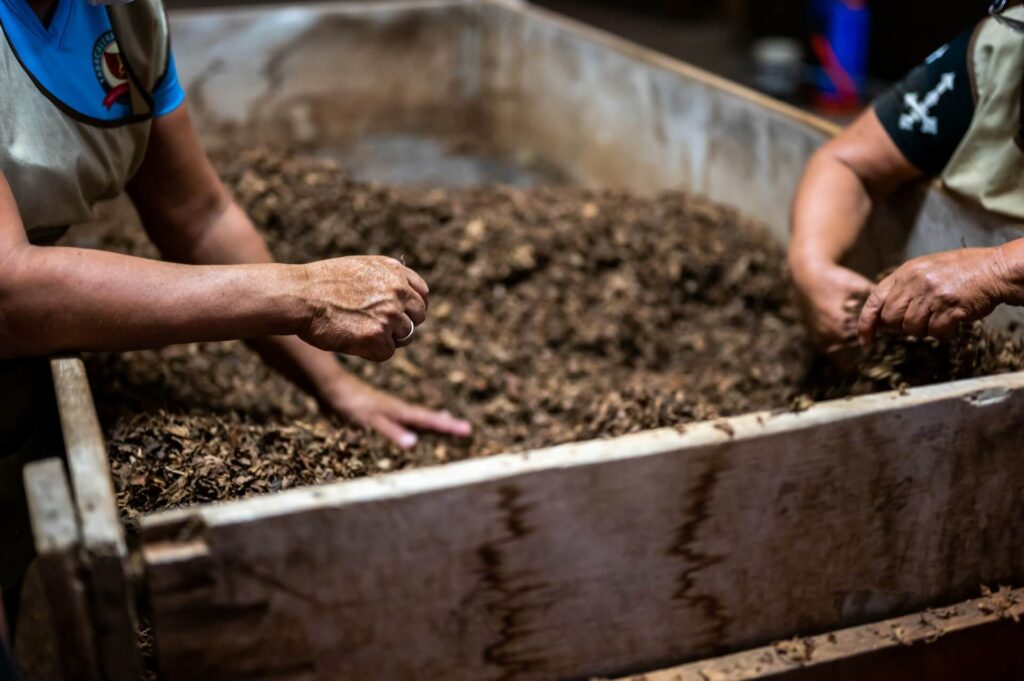
Composting is among the most interesting facets of my zero-waste lifestyle. I’ve heard of the concept for years, but I overlooked it. Now, it’s a part of my daily routine. Eating fruits and veggies means I have plenty of peels and scraps on my kitchen counter. Then, I’ll put them in my compost bin.
Once a week, I take my compost piles to the community garden so they can grow produce. Then, my neighbors can use the soil to grow new food. While it seems small, my contribution is important to the zero-waste philosophy.
There’s not much I love more than the thrift store. I love buying clothes and small gadgets to reduce waste. That said, the benefits double because I’m also helping somebody else’s efforts by purchasing their used belongings. It feels like a treasure hunt because I never know what I’ll find on any given trip.
While thrift shops are a fan favorite for many, there are other places to shop secondhand. For instance, I’ll utilize Facebook Marketplace if I need a table or consignment stores for home goods. Each time I buy secondhand, it means fewer raw materials are necessary to make a new item.
We’ve all been there — a tear in our shirt or a broken cord on a lamp. It’s tempting just to throw it away and start over. However, embracing a zero-waste lifestyle has taught me the merits of repairing before replacing. I do everything to fix my belongings before searching for a newer, better product.
My bank account thanks me for resoling my shoes instead of buying entirely new ones. It’s also a huge self-confidence booster because I feel more self-reliant. Experts say improving your DIY skills is cheaper than you think and helps in the long run. Even simple tasks like sewing go a long way.

Homemade cleaning supplies are underrated but a big part of zero-waste philosophies. I can reuse the same plastic containers for my cleaners and reduce my consumption. Instead, I buy ingredients like vinegar and baking soda in eco-friendly packaging. Fewer resources and less pollution are a win in my book.
Using your own cleaning supplies is easier than you think. For instance, I learned how to clean my microwave from TikTok trends, such as lemons. At any given time, I have key ingredients to make my cleaners. Here are a few things you can see in my cabinet.
I grew up using paper towels religiously, thanks to my mom. However, I’ve broken that trend to reduce my waste. These household staples are less than ideal for the environment because they fill landfills quickly. Instead, I have a reusable towel system in my house. We use cloth napkins at dinner, old rags for scrubbing and kitchen towels for daily tasks.
Yes, paper towels are the norm. However, we have plenty of ways to kick them to the curb. On my zero-waste lifestyle quest, I’ve discovered the merits of microfiber cloths and Swedish dishcloths. When in doubt, I lean toward the reusable option to optimize my consumption.
It might sound silly to think about what you throw in the trash. After all, it’s mostly food scraps and boxes. However, I’ve learned so much about my consumption habits. It provides tangible data as to what’s occupying my bags. I did mine a few weeks into my journey and was surprised to see what I found.
My first trash audit revealed my plastic consumption, particularly Greek yogurt cups. They taste great with their 15g of protein, but there are more sustainable alternatives. I started buying larger tubs to reduce the amount of plastic that ended up in the trash. It was also a good sign to start eating less takeout and to prioritize places that use biodegradable containers.
Eradicating waste from your life is easier than you think. Use the following five principles to adopt a zero-waste lifestyle in your daily routine.
| Refuse | Prevent waste by refusing things you don’t need. |
| Reduce | Reduce consumption habits by buying fewer, higher-quality items |
| Reuse | Find ways to continue using items after their first use. |
| Recycle | Sustainably dispose of belongings once they reach the end of their lives. |
| Rot | Compost food waste and yard trimmings in a bin or through a municipal service. |
A zero-waste lifestyle is more than a phase you go through in school. Instead, embrace it like a journey to a better version of yourself. Small, intentional choices go a long way toward making an impact. Get some reusable grocery bags for your next shopping trip or create your own cleaning supplies. Regardless, I encourage you to find what works for your lifestyle.

Your email address will only be used to send you our newsletter, and at any time you may unsubscribe. For more information, see our Privacy Policy.
