

Body + Mind is reader-supported. We may earn an affiliate commission when you buy through some of the links on our site.
Hair care can be a bit hit and miss for many men. Perhaps you simply rely on whatever shampoo happens to be on sale, using it daily and hoping for the best. However, men’s hair varies widely in texture, thickness and oil production. Something that works great for your gym buddy can cause dryness, flakes or limp hair for you. Here’s a guide to the best hair care routine for men across all hair types, so you can give your locks the attention they need.
Before choosing products or routines, you need to understand two things — your hair type and your scalp condition. These aren’t always the same. You can have oily hair with a dry scalp, or thick hair with sensitivity issues.
Common hair types:
Common scalp types:
Understanding this combo will guide everything else you do.
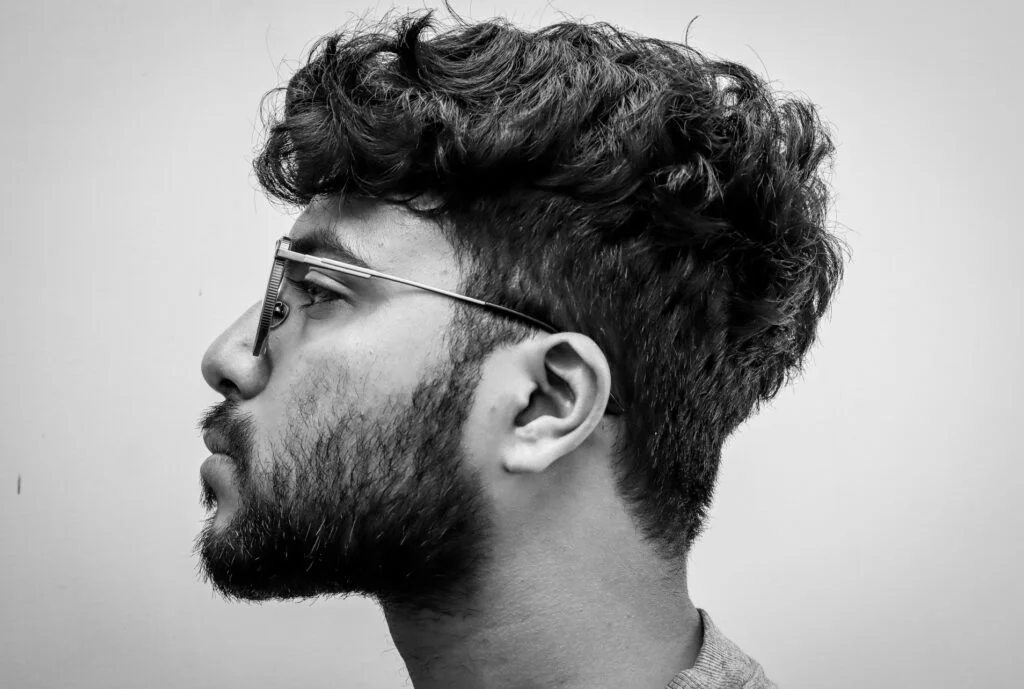
Before looking at the specifics of a hair care routine, here’s a quick reference to what is likely to matter most to you, depending on your hair type.
| Hair Type | Shampoo Frequency | Conditioner | Styling Focus |
| Straight | 3-4 times a week | Lightweight | Volume, oil control |
| Wavy | 2-3 times a week | Regular | Frizz control, texture |
| Curly | 1-2 times a week | Rich, frequent | Moisture, definition |
| Coily | 1-2 times a week | Deep conditioning | Hydration, protection |
| Fine/thinning | 3-4 times a week | Lightweight | Lift, scalp health |
No matter your hair type, every effective hair care routine for men includes four basic steps. The difference lies in how often and how intensely you do each step.
Shampoo’s job is to clean your scalp, not strip your hair. Over-washing is one of the most common mistakes men make. The truth is that most men need only shampoo two to four times per week. Oily scalps may need more frequent washing, but curly hair benefits from less frequent intervention.
Look for shampoos that match your needs:
Avoid shampoos with harsh sulfate chemicals if you have a dry or sensitive scalp.
Conditioner smooths and strengthens the hair cuticle and replaces lost moisture. Skipping it leads to dryness, frizz and breakage.
Apply conditioner from mid-length to ends. Avoid applying it to an oily scalp. Let it sit for a few minutes before rinsing.
Men with very short hair often think they don’t need conditioner, but your scalp will still benefit from hydration and protection.

Treatments address specific issues, such as hair loss, dryness or dandruff. Common options include:
Think of hair treatments as maintenance, not emergency fixes. They are an important element of any proper hair care routine.
The best hairstyle works with your natural texture, not against it. Styling products should support your hair, not weigh it down or suffocate your scalp. Choose products based on finish and hold:
Always use less product than you think you need. You can always add more if required.

Healthy hair starts at the scalp. Ignoring your scalp health can lead to dandruff, irritation or even hair loss.
To take care of your scalp, massage it gently while shampooing to increase blood flow. Avoid scratching or aggressive scrubbing. Use a scalp exfoliant every two to four weeks if buildup is an issue. Always rinse thoroughly, because leftover product is a key driver of irritation.
If dandruff persists, look for shampoos containing zinc pyrithione, ketoconazole or salicylic acid.
Men’s hair loss is very big business. The global multi-billion dollar market is growing by around 8% CAGR and some dubious products make an awful lot of improbable promises. Hair loss is a hugely distressing and emotive topic for many men, but the good news is that there are some scientifically-backed solutions.
The FDA has approved just two medications for use by men with thinning hair. Minoxidil is a liquid, foam or oral dose that you use twice a day. It is not a miracle cure and may take up to four months to work, but it does boost hair growth in around two-thirds of men, according to studies.
The second approved drug is finasteride, which prevents your body from making DHT, which causes male pattern baldness. It comes as a pill that you take once a day, and about 90% of men find that it slows or stops hair loss.

Most men notice improvements in manageability and texture within two to four weeks of a better routine. Scalp health and hair growth take longer to improve, often three to six months.
Not always. Ingredient formulation and quality matter more than price. Many affordable products work extremely well.
Technically, yes, but it’s not a good idea. These products are too harsh and disrupt your scalp’s natural balance. A proper hair care routine will include products meant for just that.
No. Tight or dirty hats can irritate the scalp, but they do not cause genetic hair loss. In fact, hats can be very helpful in protecting your hair from harmful UV rays.
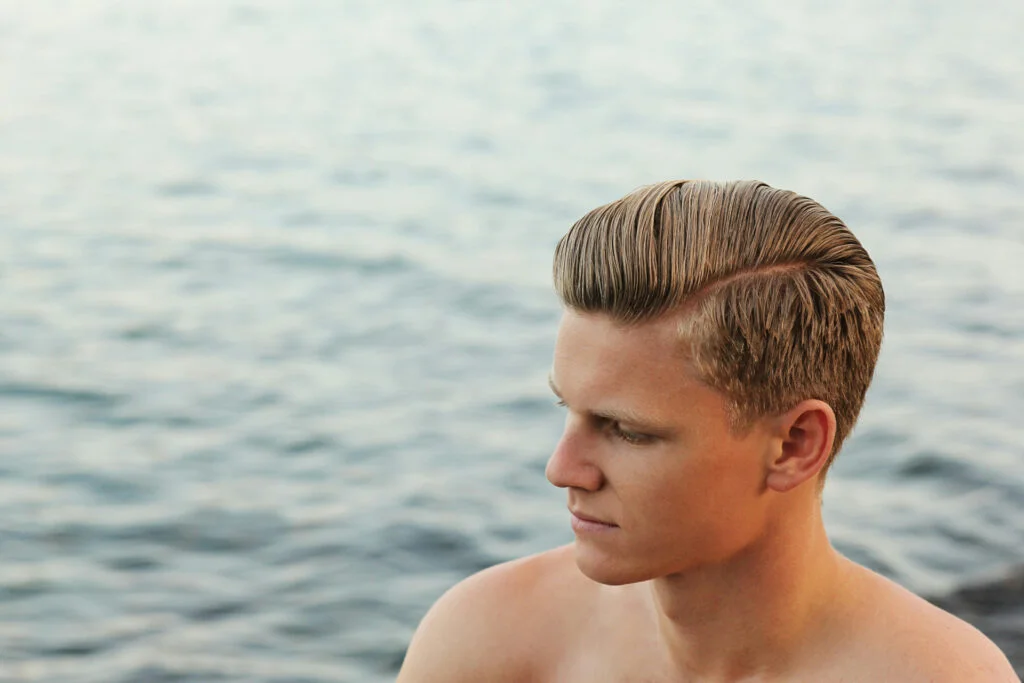
The best hair care routine for men isn’t complicated, but it is intentional. Use the right products for your hair and scalp type, avoid overdoing it and stay consistent. Hair health improves through small, repeated habits, not drastic changes. When you get into a proper hair care routine, your hair will feel better, style more easily, and look great without effort. That’s the goal — and it’s completely achievable for every man.

Your email address will only be used to send you our newsletter, and at any time you may unsubscribe. For more information, see our Privacy Policy.
