

Body + Mind is reader-supported. We may earn an affiliate commission when you buy through some of the links on our site.
A truly effective hair care routine goes beyond shampoos, conditioners and styling products. While what you apply to your hair absolutely matters, holistic hair care involves recognizing that your hair is an extension of your overall well-being. Here’s how to blend modern hair science with gentle practices, allowing space for both trusted products and natural alternatives.
Stress levels, nutrition, sleep quality, hormonal balance and even mindset can all play a role in how your hair looks, feels and grows. That’s why approaching your hair care as part of your overall wellness gets the most beautiful results. There are four pillars — cleansing, conditioning, nourishing and protecting — that work together in this holistic approach.
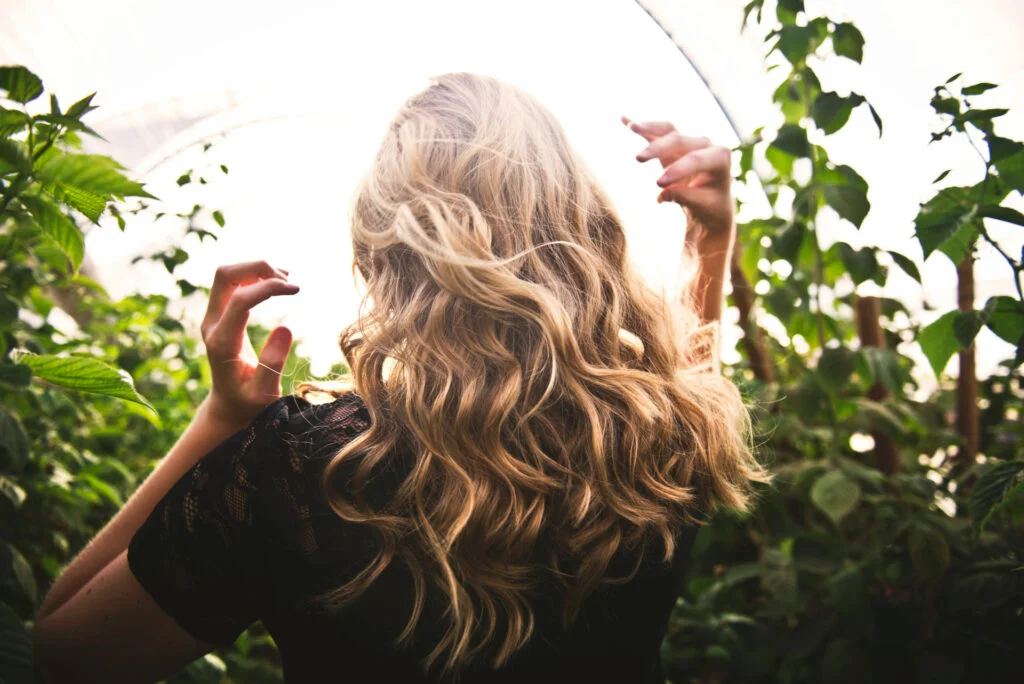
Healthy hair starts at the scalp. Your scalp is living skin, complete with oil glands, hair follicles and a delicate microbiome that can easily be disrupted by harsh products or overwashing. Mindful hair cleansing prioritizes keeping the scalp clean and balanced, without stripping away the natural oils that protect and nourish your hair.
When choosing a regular shampoo, look for gentle, sulfate-free formulas that cleanse without excessive foam. Sulfates are effective cleaners, but they can be too harsh for regular use, especially for dry, curly or color-treated hair, or if you have sensitive skin. For an occasional clarifying shampoo, however, sulfates are an effective ingredient, and you might also want to use sulfate shampoo if your hair is particularly oily.
Many women also enjoy exploring natural alternatives, such as rye flour, soap nuts or clay-based washes. These can be surprisingly effective when used correctly, although there may be a short adjustment period before you feel the full benefit.
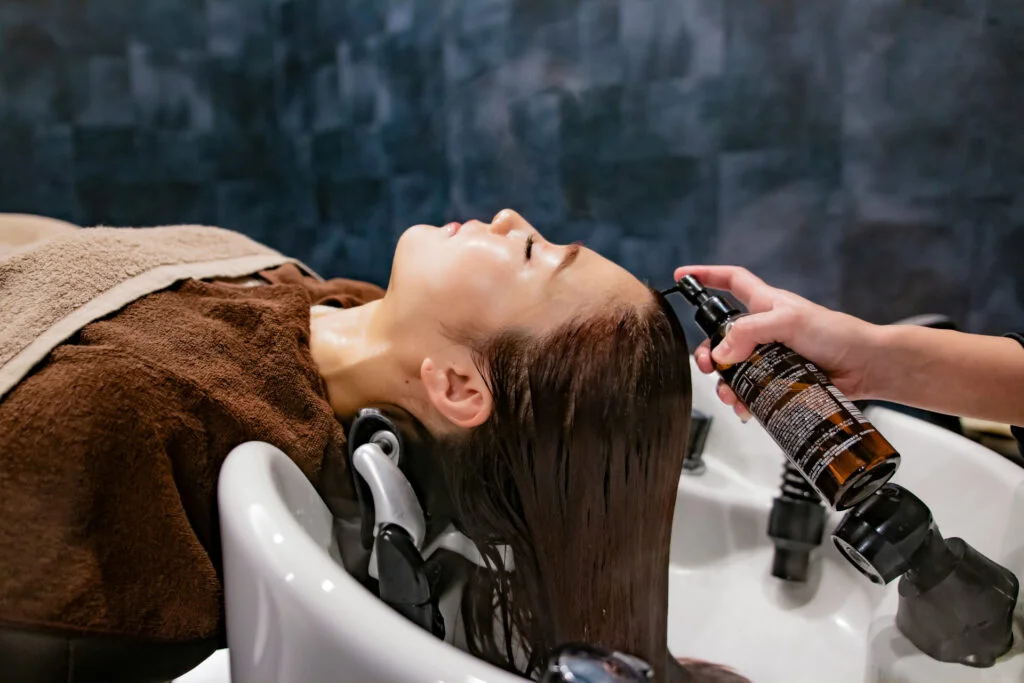
When washing your hair:
As for the common question of how often you should wash your hair, that’s a personal judgment. Some hair types thrive with washing every day, while others do better with once a week. If your scalp feels calm and not overly itchy, greasy or tight, you are probably OK to leave it another day.
Conditioner plays a vital role in any hair care routine. Its primary job is to smooth the hair cuticle, reduce friction and protect against moisture loss and mechanical damage. Intentional conditioning involves using the right product and method tailored to your hair’s specific needs.
After washing, apply conditioner mainly to the mid-lengths and ends, where hair is older and more prone to dryness. Avoid heavy application near the roots, as this can weigh your hair down and contribute to buildup.
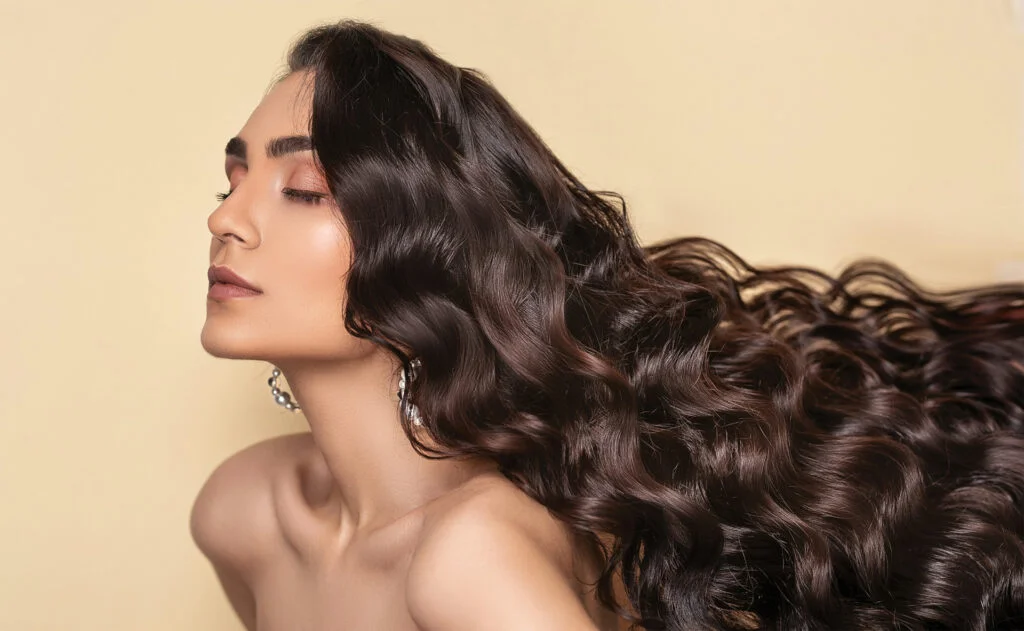
Natural alternatives can complement or replace traditional conditioners. An apple cider vinegar rinse — one tablespoon of vinegar diluted in one cup of water — helps restore the scalp’s natural pH and adds shine. Aloe vera gel provides lightweight hydration and soothing benefits, making it an ideal choice for sensitive scalps.
Let your conditioner sit for at least a minute before rinsing. This small pause allows nourishing ingredients to bond with the hair shaft, sealing in softness and manageability over time.
While regular conditioning maintains hair, deep nourishment is what helps it truly thrive. Weekly or biweekly hair masks can replenish moisture, strengthen strands and repair damage.
DIY hair masks are also easy to use and make. Simple ingredients from your kitchen can be very effective when matched to your hair’s needs:
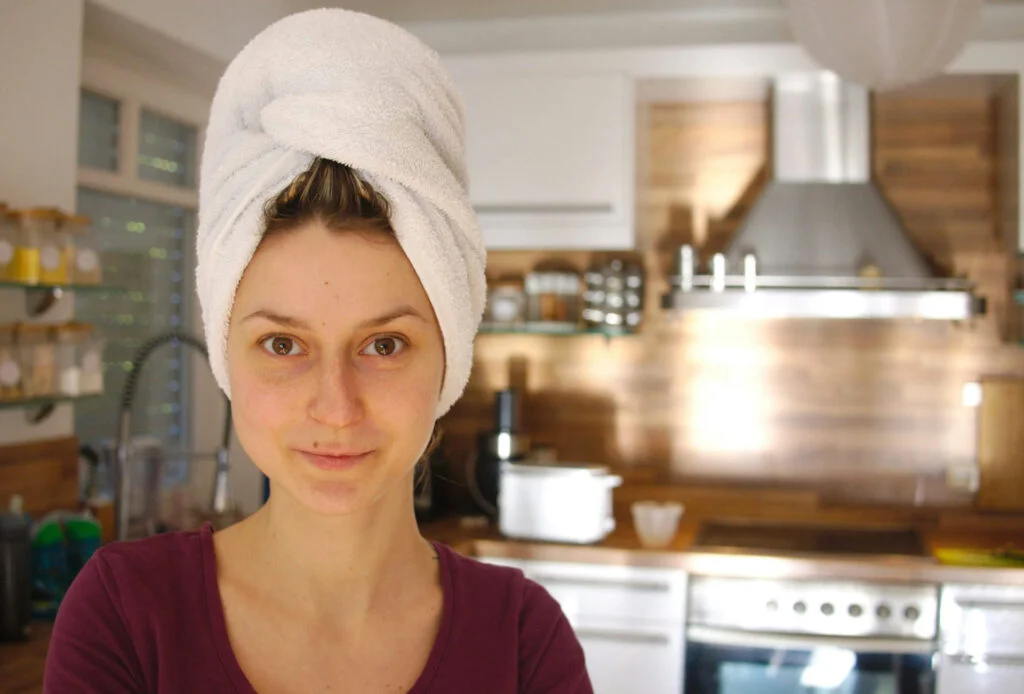
Whether homemade or bought, apply your mask to damp hair, cover with a towel or shower cap and leave for 20-40 minutes before rinsing thoroughly.
Protection is often the missing link in a hair care routine. Even the healthiest and best looked-after hair will suffer if it’s handled roughly or exposed to repeated stress.
Start with how you detangle. Always use a wide-toothed comb or detangling brush and begin at the ends, working slowly upward. Hair is most vulnerable when wet, so patience prevents unnecessary breakage.
Whenever possible, let your hair air dry. Heat styling can weaken the hair’s protein structure over time, even with the use of heat protectants. When using heat, employ the lowest effective temperature and avoid repeated passes over the same section.
From a holistic perspective, ensure that you get enough sleep and manage your stress levels if you want to truly protect your hair. A disrupted circadian rhythm can impair hair growth, while cortisol released during chronic stress also disrupts the growth cycle.
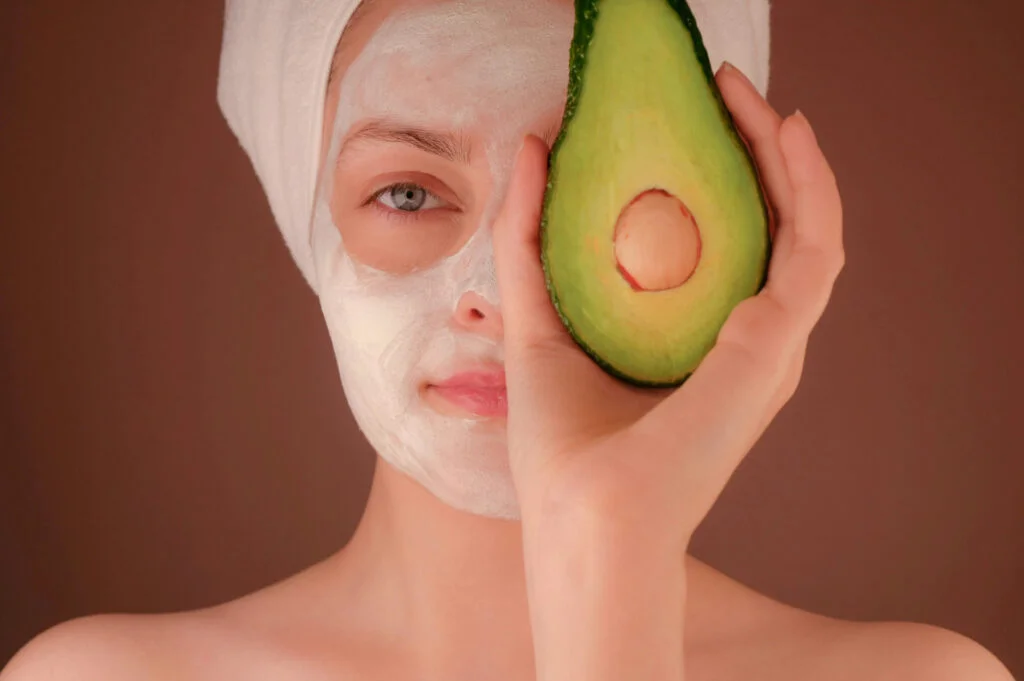
Nutrition is also an important factor in protecting your hair from the inside out, so meal times can be a part of your hair care routine. If you want to eat your way to healthier hair, key foods include:
Interestingly, these foods are also linked to improved health outcomes in many other ways — underlining the holistic viewpoint that the body truly functions as a whole organism.
Different types of hair have different needs.
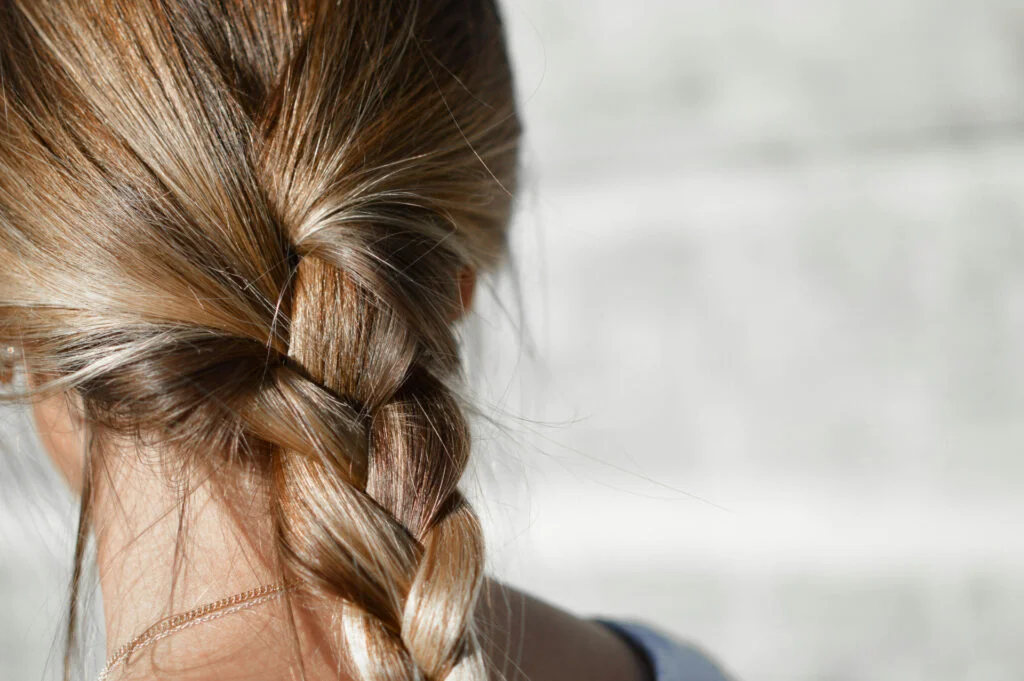
Long hair requires extra care because the ends are older and more fragile. Regular trims — every eight to 12 weeks — help prevent split ends from traveling up the hair shaft. Gentle detangling, protective styles and consistent deep conditioning are essential to maintaining length without sacrificing health. At night, wear your hair in a loose braid or bun to avoid tangling.
Excess oil production can be a side effect of hormonal fluctuations, high-glycemic foods, poor sleep or stress, so managing it effectively may require a broader look at your health.
If you simply have naturally oily hair, however, wash your hair less. Yes, that sounds counterintuitive, but washing too often can make it worse. Dry shampoos, in the meantime, are fine. When selecting products, look for ingredients like tea tree oil, which can help balance sebum production.
Curly hair thrives on moisture. Because natural oils travel less easily down curved strands, your hair may be more prone to dryness. Avoiding sulfates and heavy silicones can make a significant difference. The popular Curly Girl Method works for some — this involves soaking your washed hair in water with lots of conditioner and “plopping” it on your head in curls to dry naturally.

Summer brings sun exposure, chlorine and saltwater, all of which can dry and weaken hair. Wearing a hat gives simple but effective protection. After swimming, rinse your hair promptly and use a gentle clarifying wash occasionally to remove buildup.
Cold air and indoor heating strip moisture from hair during winter. Increase the frequency of deep conditioning treatments and consider richer masks. To combat static, warm a single drop of oil between your palms and lightly smooth it over your hair.
The perfect hair care routine isn’t about rules. It’s about listening to your hair and understanding how your overall health fits into the picture of healthy, shiny locks. By choosing a holistic approach, your hair care becomes intentional and nourishing — and that way, beautiful hair follows naturally.
Your email address will only be used to send you our newsletter, and at any time you may unsubscribe. For more information, see our Privacy Policy.
