


Body + Mind is reader-supported. We may earn an affiliate commission when you buy through some of the links on our site.
Pregnancy changes your nutritional needs quickly. Even if you eat well, it can feel hard to consistently get enough key nutrients for you and your growing baby through food alone. That’s why prenatal vitamins and prenatal supplements often become part of a healthy pregnancy routine. Give your body steady support while your baby grows into the perfect bundle of joy.
According to the American College of Obstetricians and Gynecologists, the top requirements for supplementation during pregnancy should include vitamin D, vitamin B6, vitamin C and E, vitamin B12, folate and iron.
Follow a nutrient-rich diet and use prenatal support that includes:
Before grabbing a few bottles off the shelf, consider dosage and whether you can get away with a single daily dose to avoid pill fatigue from needing to ingest multiple medications.
Nature Made is best overall for basic, affordable prenatal care. The supplement keeps things simple with broad prenatal coverage and added DHA in one softgel. It’s a good fit if you want foundational support without multiple doses.
| Ingredient | Value |
| Folate | 1,330 mcg DFE |
| DHA | 200 mg |
| Iron | 27 mg |
| Vitamin D3 | 25 mcg |
| Iodine | 150 mcg |
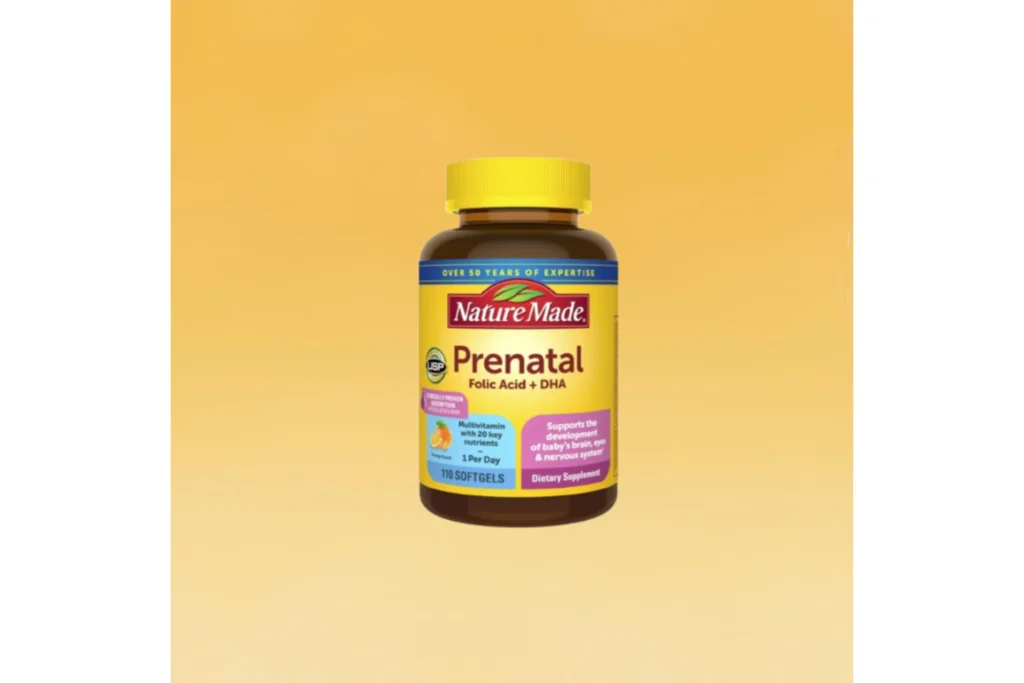
Get Nature Made Prenatal Vitamins for Women on Amazon
One A Day Prenatal formulation is best for considerate ingredients and dosages. The option pairs a prenatal multivitamin with a separate choline tablet, which gives more targeted nutritional support. Choline is a vital component for fetal development.
| Ingredient | Value |
| Folate | 1,330 mcg DFE |
| Choline | 110 mg |
| Iron | 27 mg |
| Vitamin D | 15 mcg |
| DHA | 200 mg |
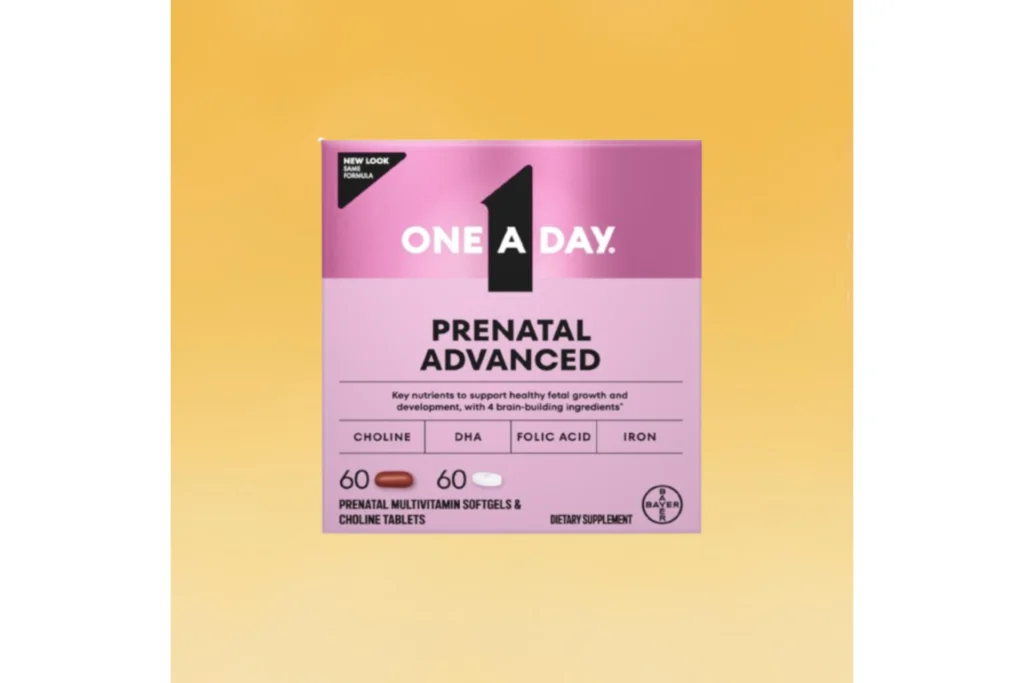
Get One A Day Prenatal Advanced from Amazon
THORNE Basic Prenatal is a well-tested option that includes third-party certifications for more peace of mind. The multivitamin focuses on ingredient quality and includes active methylated forms of most nutrients for maximum absorption.
| Ingredient | Value |
| Folate | 1.7 mg DFE |
| Iron | 45 mg |
| Vitamin D3 | 25 mcg |
| Vitamin B12 | 200 mcg |
| Choline | 110 mg |
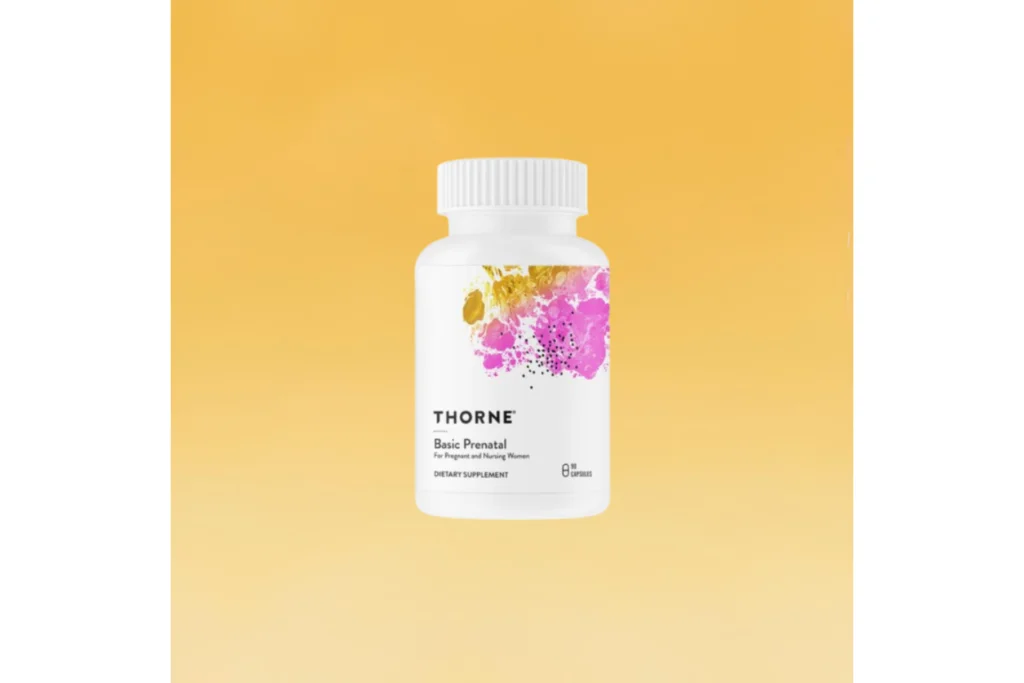
Get THORNE Basic Prenatal from Amazon
Garden of Life Prenatal Vitamins is best for organic-minded moms. It combines prenatal nutrients with an organic-focused approach. The once-daily format is ideal for ease of use, while the plant-based formulation is vegan-friendly and gluten-free.
| Ingredient | Value |
| Folate | 600 mcg DFE |
| Iron | 18 mg |
| Vitamin D | 22.5 mcg |
| Vitamin B12 | 3 mcg |
| Choline | none |
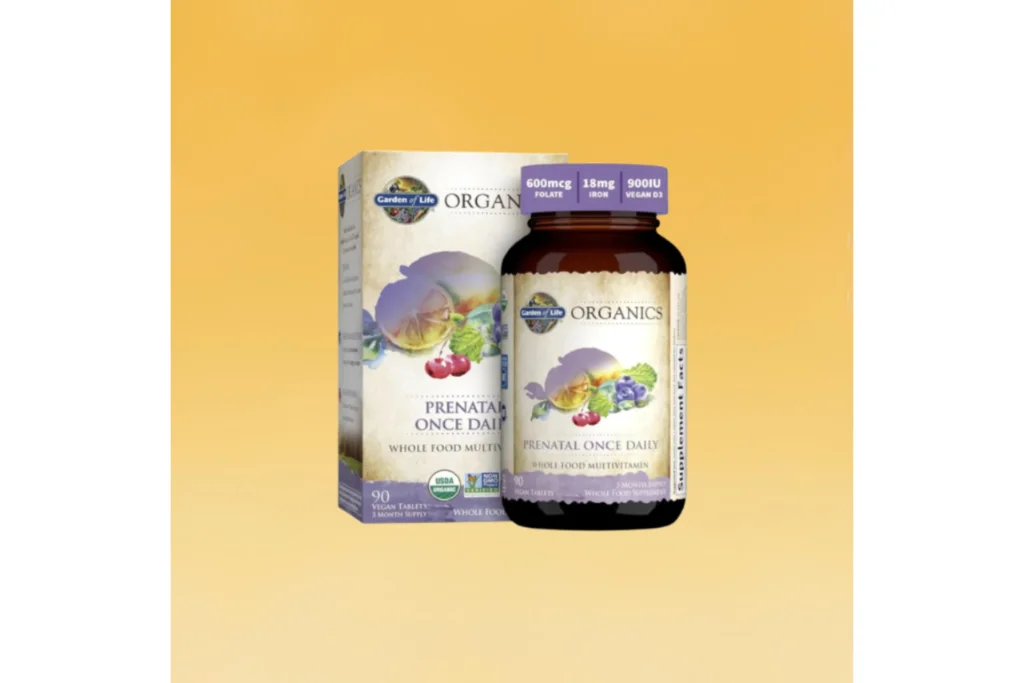
Get Garden of Life Prenatal Vitamins from Amazon
MegaFood Baby & Me 2 is a doctor-formulated prenatal supplement that provides foundational nutrients, including added choline. All ingredients come from non-GMO sources. The gentle formula supports pregnancy without placing extra strain on your system, thanks to easy absorption forms of the ingredients.
| Ingredient | Value |
| Folate | 1,020 mcg DFE |
| Choline | 300 mg |
| Iron | 18 mg |
| Vitamin B12 | 8 mcg |
| Vitamin D3 | 15 mcg |
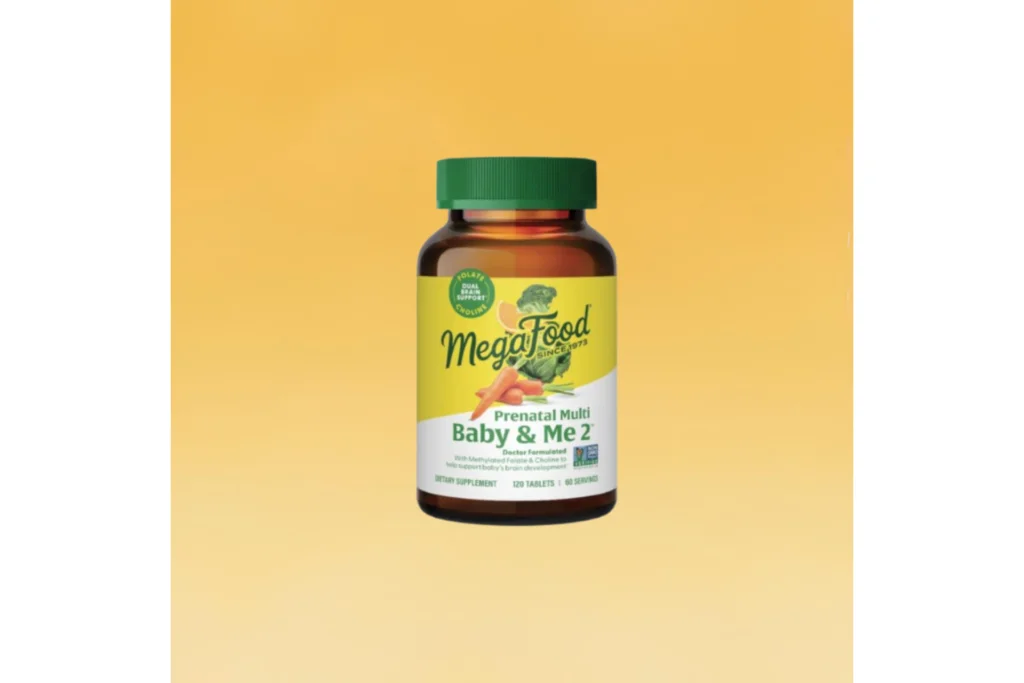
Get MegaFood Baby & Me 2 on Amazon
Choosing prenatal supplements can feel overwhelming at first, but a good nutritional boost gives you a reliable starting point. Focus on ingredient quality, consistent daily use and a formula that fits your routine. Consult your obstetrician to identify deficiencies and ensure you’re growing a healthy baby and supporting yourself at the same time.

Your email address will only be used to send you our newsletter, and at any time you may unsubscribe. For more information, see our Privacy Policy.
