

Body + Mind is reader-supported. We may earn an affiliate commission when you buy through some of the links on our site.
You didn’t choose your family, but somewhere along the way, you may have inherited more than just their eye color or their Sunday sauce recipe. Intergenerational trauma is the emotional and psychological weight passed down through families, often without anyone realizing it’s even happening. The good news is that once you name it, you can start to heal it.
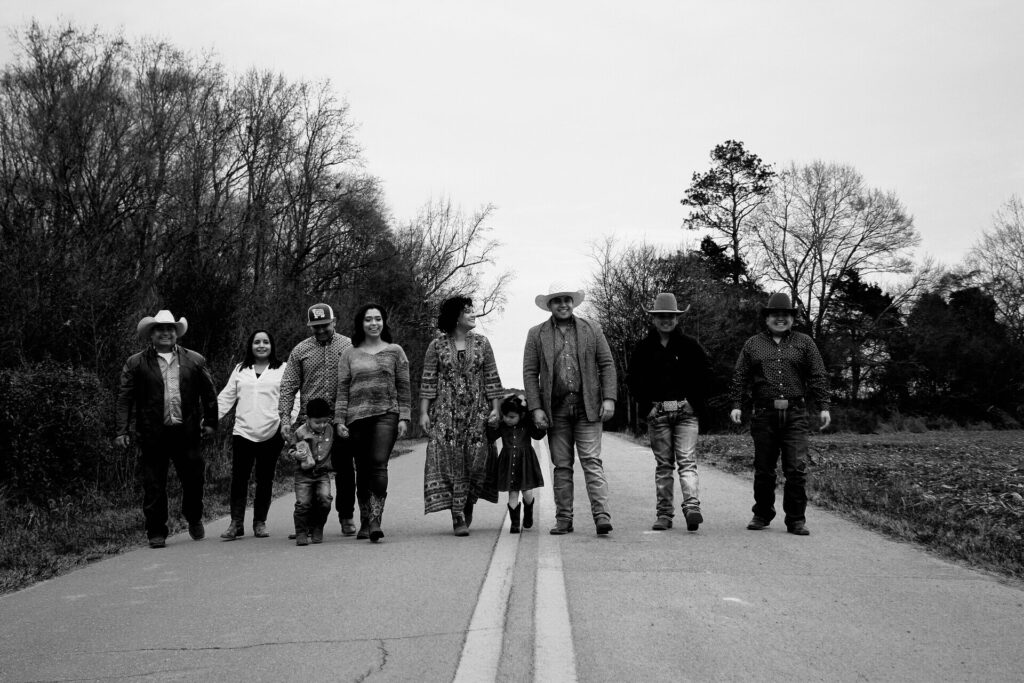
Intergenerational trauma refers to the way unresolved trauma experienced by one generation gets passed on to the next, even to people who never experienced the original themselves. Trauma transmission operates through multiple simultaneous pathways, including epigenetics, family systems, and attachment theory, all working together to carry a family’s pain forward.
The behavioral pathway is one people are most familiar with. Parents who experienced trauma often develop coping patterns, including emotional withdrawal, hypervigilance or unpredictable reactions that directly shape how they raise their children. Kids absorb those patterns and internalize them, often without a single word being spoken about what originally caused them.
The biological pathway is where things get even more fascinating. Research in epigenetics shows that traumatic experiences can alter gene expression and those changes can be passed down. Parents with trauma histories show disrupted caregiving behaviors associated with adverse psychological and physiological development in their children. This doesn’t mean trauma rewrites your DNA permanently, but the way your stress response system is calibrated can be directly shaped by what your parents or grandparents lived through.
The types of events that can set intergenerational trauma in motion are wide-ranging. War, genocide, forced migration, systemic oppression and family violence are among the most documented. Collective trauma profoundly affects the psychological and physiological health of descendants, including in communities shaped by racism, poverty or displacement.
One of the trickiest things about intergenerational trauma is that its triggers don’t always look like what you’d expect. It’s not always a dramatic event that sets off a trauma response. Financial insecurity, authority figures, conflict, crowded spaces or even certain tones of voice can activate the inherited stress response in ways that feel confusing or disproportionate. Emotional and psychological signs to look out for include:
Descendants of trauma survivors commonly experience anxiety, depression and PTSD even without any direct exposure to the original traumatic event. Behavioral patterns linked to intergenerational trauma include:
Adverse childhood experiences raise the risk of substance use and psychopathology across generations, underscoring that these behavioral patterns have real biological and psychological roots.
Physical symptoms are another important signal that people often overlook. Trauma doesn’t only live in the mind. Experts link childhood trauma to physical symptoms in adulthood, particularly in the abdomen and lower back, with greater exposure to adversity associated with greater physical activation in the body. Chronic pain, fatigue and digestive issues with no clear medical explanation can all be the body’s way of holding onto what the mind was never able to process fully.

Healing is absolutely possible. Start with acknowledging and validating what you’re carrying. The first step is simply accepting that intergenerational trauma is real and that your feelings are valid even if you didn’t personally live through the original event. You don’t need to have survived a war to carry its weight. Recognizing that what you’re experiencing has real roots, whether in your family history or your biology, removes the shame and replaces it with understanding.
Learning about your ancestors’ experiences can be one of the most clarifying things you do for your own mental health. Understanding what your parents or grandparents survived, what they never got to grieve and what coping strategies they passed on gives you vital context. It shifts the question from “What’s wrong with me?” to “What happened to us?”
Trauma almost always grows in secrecy. Talking openly, whether to family members who are safe to approach, a therapist or a support group, begins to loosen its grip. Transgenerational trauma transmission occurs through internal working models of attachment passed down across generations and making those models conscious is a key part of disrupting them.
Because intergenerational trauma lives in the nervous system, body-based practices are particularly powerful. Mindfulness significantly reduces anxiety and trauma-related symptoms by mediating the relationship between trauma exposure and mental health outcomes. Journaling, exercise, breathwork and somatic movement are all tools worth exploring, not just for managing stress but for rewiring how your body responds to it.
Trauma-informed therapy is one of the most powerful tools available for breaking intergenerational cycles. Specific approaches, including EMDR, Somatic Experiencing and family systems therapy, are designed to address trauma at the level of the nervous system, not just the mind. Exposure-based therapy is proven effective for adult PTSD and related trauma conditions. This makes professional support one of the most evidence-backed places to invest in your healing.
Healing isn’t just about dismantling old patterns, but building new ones. Connecting with community, developing a strong sense of self and intentionally creating positive shared experiences are all ways to write a different story for the generations that come after you. You can also explore additional strategies to heal from emotional trauma that might make a difference for you.
This is one of the most powerful concepts in trauma recovery. Reparenting means giving yourself, as an adult, the care, comfort, consistency and safety that may have been missing in your upbringing. It looks like setting boundaries without guilt, speaking to yourself with compassion, meeting your own needs rather than waiting for someone else to and learning to feel safe in your own body. It’s less about blaming your parents and more about becoming the parent to yourself that everyone deserves.
Healing intergenerational trauma doesn’t mean erasing your family story. It means becoming the person in your lineage who decides the cycle ends here. That’s not a small thing. Every boundary you hold, every pattern you interrupt and every time you respond instead of react, you are actively rewriting what gets passed forward. The inheritance you leave the next generation doesn’t have to look like the one you received.

Your email address will only be used to send you our newsletter, and at any time you may unsubscribe. For more information, see our Privacy Policy.
