
Body + Mind is reader-supported. We may earn an affiliate commission when you buy through some of the links on our site.
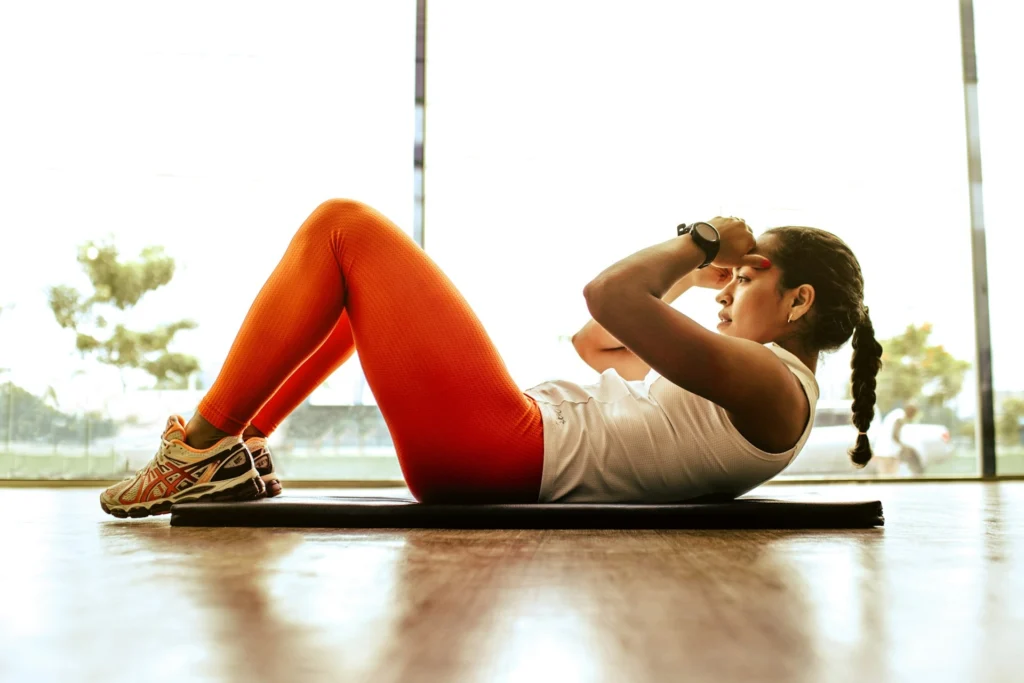
You’ve been staring at your ceiling for what feels like forever, sprawled out like a dead bug. Your body is tired, your brain is fried and exercising feels impossible. However, that exact position could be the starting point for real core strength. The dead bug exercise can help restore energy, reduce back pain and build the stability you need to handle your busy life with less stress.
The dead bug exercise is a foundational core movement done lying flat on your back. The name describes exactly what you look like—arms and legs up, moving slowly like a bug trying to flip itself over. This exercise focuses on stabilizing your spine while you move your limbs in a controlled pattern.
What makes it so effective is how it targets deep abdominal muscles. Unlike crunches that work surface-level abs, this movement engages all four major abdominal muscle groups. These include the rectus abdominis in front, the obliques on the sides and the transversus abdominis that wraps your midsection like a corset.
The dead bug provides lots of benefits for your health, balance and posture.
Your “deep core” refers to muscles you can’t see but can feel when they’re strong. The transversus abdominis acts like a natural weight belt, wrapping around your torso to stabilize everything from your ribs to your pelvis.
Research shows that specific movements are optimal for activating these deep stabilizers. One study found that deep expiration with 90° hip flexion and 90° knee flexion was optimal for activating the lateral abdominal wall, especially the transversus abdominis. That’s exactly the position you hold in the dead bug exercise.
Your core and back work as a team. When your core muscles are weak, your back has to compensate, which can lead to strain and pain. Building core stability through exercises like the dead bug can help people dealing with chronic discomfort.
Core stabilization exercises are an effective method to decrease pain, improve functionality and increase core strength in people with nonspecific lower back pain. You can use this exercise as a proactive way to protect yourself from daily strain.
Good posture isn’t just about standing up straight. When you have a strong, stable core, maintaining proper alignment becomes natural instead of forced. Your muscles can support your spine in the right position without you constantly thinking about it.
Weak core muscles can cause you to slouch and hunch over. Modern lifestyles, including working desk jobs and looking down at phones, make this worse by encouraging you to slump forward. Better posture reduces strain on your muscles and ligaments, which can decrease wear and tear on your joints.
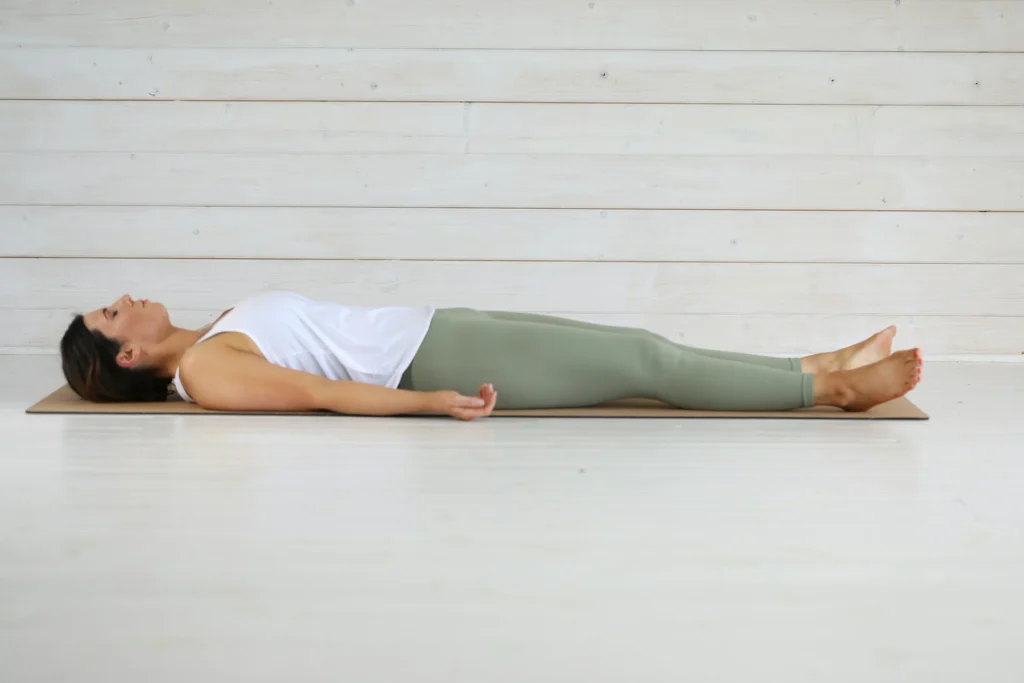
Reap the dead bug exercise benefits by following these steps.
Lie flat on your back on a comfortable surface like a yoga mat. Bring both knees up so your shins are parallel to the floor, creating a 90-degree angle at your hips and knees. Extend your arms straight up toward the ceiling. Press your lower back gently into the floor—there shouldn’t be a gap between your spine and the mat.
Slowly lower the opposite arm and leg at the same time. Lower until your arm and leg hover just above the ground, then return to the starting position. Repeat on the other side.
Your lower back should stay pressed to the floor the entire time. If you feel your back arching up, reduce your range of motion.
Exhale as you lower your arm and leg, then inhale as you bring them back to the starting position. This breathing pattern encourages your deep core muscles to activate and helps you maintain stability. Don’t hold your breath, which creates unnecessary tension.
Small errors can reduce this exercise’s effectiveness. Arching your lower back is probably the biggest issue. When your back lifts off the floor, your hip flexors take over and your core stops working as hard. If this happens, reduce how far you extend your limbs.
Moving too quickly turns this into a momentum exercise instead of a strength builder. Slow, controlled movements force your muscles to work harder. Count to three as you lower and three as you return.
Holding your breath creates tension and can make you less stable. Remember to exhale on the way down and inhale on the way up.
If you’re thinking you don’t have time to exercise, you’re not alone. Nearly 31% of adults globally did not meet recommended physical activity levels in 2022. The good news is that the dead bug exercise doesn’t require a gym membership, special equipment or much time.
Think of it as an “exercise snack”—a quick five-minute break you can fit anywhere. Do a set before you get out of bed, during your lunch break or while watching TV. Even small amounts of physical activity can have significant positive effects on your well-being.
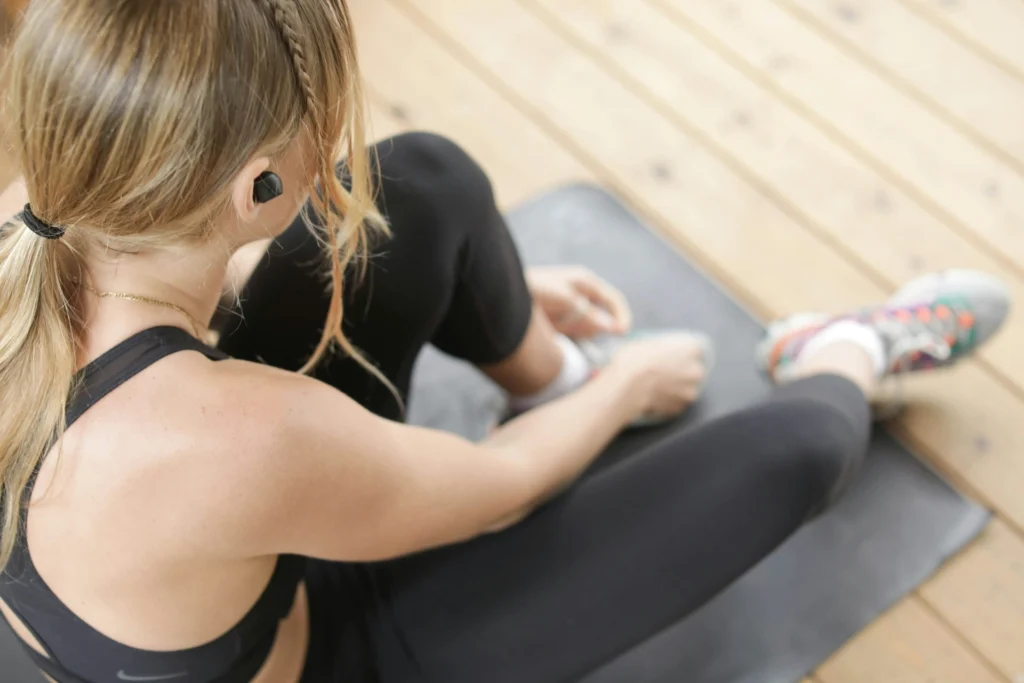
The great thing about the dead bug exercise is that it’s easy to customize to your ability.
If the full dead bug feels too difficult, start with heel taps. Instead of extending your leg all the way out, simply lower one foot to tap the floor while keeping your knee bent. This reduces the load on your core and builds foundational strength.
You can also reduce your range of motion. Don’t lower your limbs as far toward the floor. Even moving them a few inches will engage your core. As you get stronger, gradually increase how far you extend.
Once the basic dead bug feels comfortable, add light dumbbells or ankle weights to increase resistance. Even 2 or 3 pounds can make a noticeable difference. You can also slow down your tempo. Try counting to five on the way down and five on the way up.
Another option is to add a resistance band. Loop it around your feet and hold the ends in your hands. As you extend your arm and leg, the band creates extra tension that your core has to work against.
Building core strength isn’t about getting a six-pack. It’s about feeling capable, moving through your day with less pain and having energy for the things that matter to you.
Investing just a few minutes in your core can reduce back pain, improve your posture and help you handle the physical demands of a busy life. You don’t need fancy equipment or hours of free time. You just need a few minutes and a willingness to start where you are—even if that’s flat on your back.
Your email address will only be used to send you our newsletter, and at any time you may unsubscribe. For more information, see our Privacy Policy.
