
Body + Mind is reader-supported. We may earn an affiliate commission when you buy through some of the links on our site.
Your breath does more than keep you alive. Your breath also talks directly to your nervous system, nudging you toward calm or locking you into fight-or-flight mode. Pranayama, the yogic practice of controlled breathing, gives you direct access to that conversation. Learn what autonomic balance means, the pranayama breathing techniques worth trying and how a few minutes of practice can lower your stress.
Your autonomic nervous system runs on autopilot, controlling your heart rate, digestion and stress response without you thinking about it. It splits into two branches. The sympathetic branch fires up your fight-or-flight response, speeding your heart rate and tensing your muscles. The parasympathetic branch does the opposite, slowing your heart rate and helping your body rest and repair.
Autonomic balance means the two branches work together rather than one branch running the show all day. When your sympathetic branch stays switched on too long, from work pressure to constant notifications, your body pays for it with tension, poor sleep and a shorter fuse. Pranayama gives you a tool to shift that balance back toward calm, on demand.
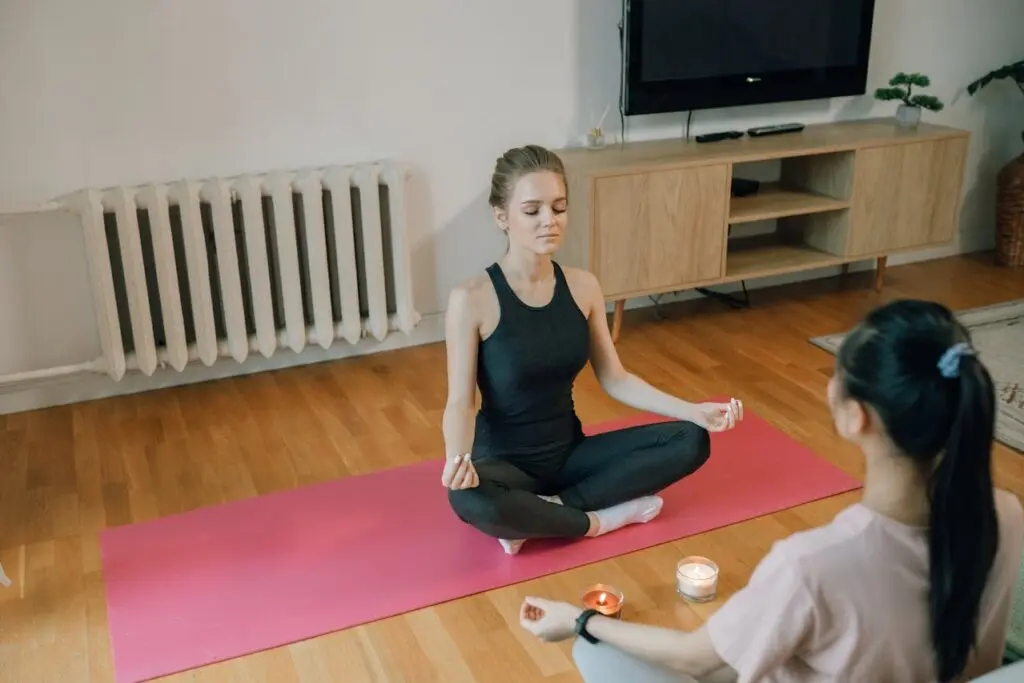
How pranayama helps comes down to the vagus nerve. The vagus nerve is the primary pathway connecting your brain to your heart, lungs, and gut. Slow, controlled breathing stimulates this nerve directly, signaling your body to shift out of fight-or-flight and into rest-and-digest. Researchers tested this using Bhramari pranayama, a humming breathing technique. They tracked participants’ heart rate variability across a full day of activities, including work, exercise and sleep.
The study found that heart rate variability during humming practice increases, a marker most physiologists connect with stronger parasympathetic activity and a lower physical stress load. That connection is important because heart rate variability reflects how well your heart adapts beat to beat. Higher variability generally points to a nervous system that recovers faster from pressure.
Pranayama does not require special equipment or a studio membership. It works because you are directly influencing a nerve pathway your body already uses to regulate itself. However, you’re doing it at a pace you control rather than one dictated by circumstances.
If you’re ready to test a few pranayama breathing techniques for yourself, these are three that are simple enough to practice at your desk, in your car, before a meeting or lying in bed before sleep.
Box breathing, also called Sama Vritti, follows a simple four-part rhythm. Inhale through your nose for four counts, hold for four counts, exhale for four counts and hold empty for four counts. Repeat the cycle four to six times. The even rhythm gives your mind a simple pattern to follow. This makes this method a solid starting point if you have never tried breathwork before.
Bhramari, or humming bee breath, asks you to close your eyes, block your ears gently with your thumbs and hum steadily as you exhale through your nose. The vibration itself appears to support the parasympathetic response, and most people notice a quick drop in mental noise.
The 4-7-8 breath runs longer. Inhale through your nose for four counts, hold for seven counts and exhale slowly through your mouth for eight counts. The long exhale matters most here, since a longer exhale relative to your inhale tells your nervous system it is safe to downshift.
Picture this before a big presentation. Your heart rate climbs, your palms sweat and your thoughts start racing through worst-case scenarios 10 minutes before you’re due in the room. Instead of pacing the hallway, step into an empty conference room and run through four rounds of box breathing.
By the time you reach the door, your heart rate has usually settled and your voice sounds steadier as you walk in. The same trick works before a tense phone call, a turbulent flight, or even a heated conversation with a partner. The technique does not change. Only the trigger does.
None of these techniques demands a big time commitment. Five minutes before a hard conversation or a stressful commute is plenty to notice a shift. If a hard day at the office tends to trigger you, you can regulate your nervous system through breathwork right from your desk.
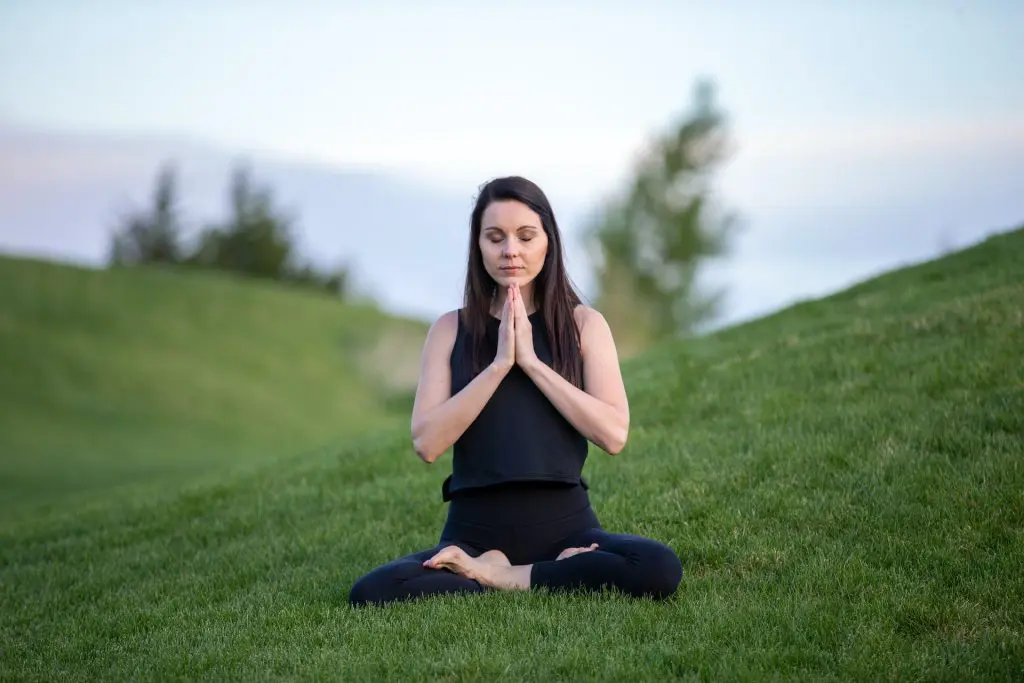
Pranayama to reduce stress is not just a wellness trend. Workplace stress remains one of the most common health complaints and the Centers for Disease Control and Prevention says workplace stress worsens mental health outcomes the longer it goes unaddressed. Breathing practices are among the few interventions people can use in the moment, without leaving their desks or waiting for a scheduled appointment.
Researchers have tested this directly. Doctors and nurses at a hospital completed a 12-week mobile-app-guided meditation and breath program and the randomized trial measuring healthcare worker burnout compared outcomes against a waitlist control group of colleagues on the same wards. The setup mirrors what any busy workplace could realistically adopt, with short guided sessions squeezed between shifts rather than a lengthy retreat.
Breathwork has also shown up in more clinical settings. Researchers compared a breath-based meditation program against cognitive processing therapy, a standard trauma treatment, for military veterans with post-traumatic stress disorder. The breath-based meditation matched trauma therapy on symptom improvement, giving veterans a non-drug option that does not require reliving traumatic memories in detail.
None of this means pranayama replaces therapy or medication when those are needed. If you have a more serious condition, you should always follow your doctor’s orders. It means slow breathing has real, measurable effects on the nervous system under pressure, whether that pressure comes from a demanding shift or a harder history.
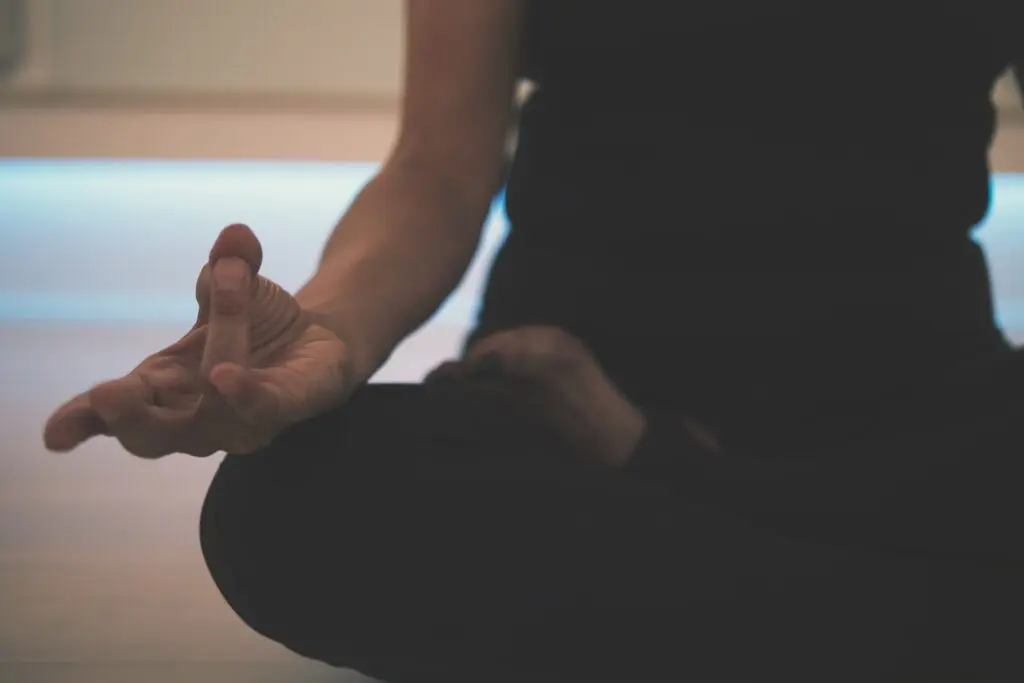
Autonomic balance is not about eliminating stress. It is about giving your nervous system a way back to calm when pressure builds, whether that is a hard shift at work or a stressful commute home. Pick one pranayama breathing technique from this list and practice it daily for two weeks before judging results. Your vagus nerve and your future self will notice the difference.
Your email address will only be used to send you our newsletter, and at any time you may unsubscribe. For more information, see our Privacy Policy.
