


Body + Mind is reader-supported. We may earn an affiliate commission when you buy through some of the links on our site.
When most people think of menopause, they picture hot flashes and mood swings. But in reality, this transition brings a host of bizarre and unexpected changes to your body. You aren’t going crazy. Your hormones are simply shifting in ways that can trigger some truly surprising symptoms. Let’s explore eight of the most unusual menopause symptoms and discover gentle, natural ways to manage them.
You wake up one morning and your knees feel stiff. By afternoon, your shoulders ache for no apparent reason. Your hands might feel tight when you try to open a jar or type at your keyboard. This sudden onset of generalized achiness catches many women off guard because it seems to appear out of nowhere.
The hormonal cause is straightforward. Estrogen helps lubricate your joints and reduce inflammation throughout your body. When estrogen levels drop during menopause, your joints lose some of that protective cushioning, and inflammatory responses can increase. The result is that stiffness and discomfort you’re experiencing.
What makes this symptom particularly overlooked is how common it actually is. Research shows that nearly 71% of women experience muscle and joint pain during this time, yet many fail to connect it to menopause. Natural management can help. Try gentle stretching each morning, explore yoga classes designed for joint health or consider adopting an anti-inflammatory diet rich in omega-3 fatty acids and colorful vegetables.
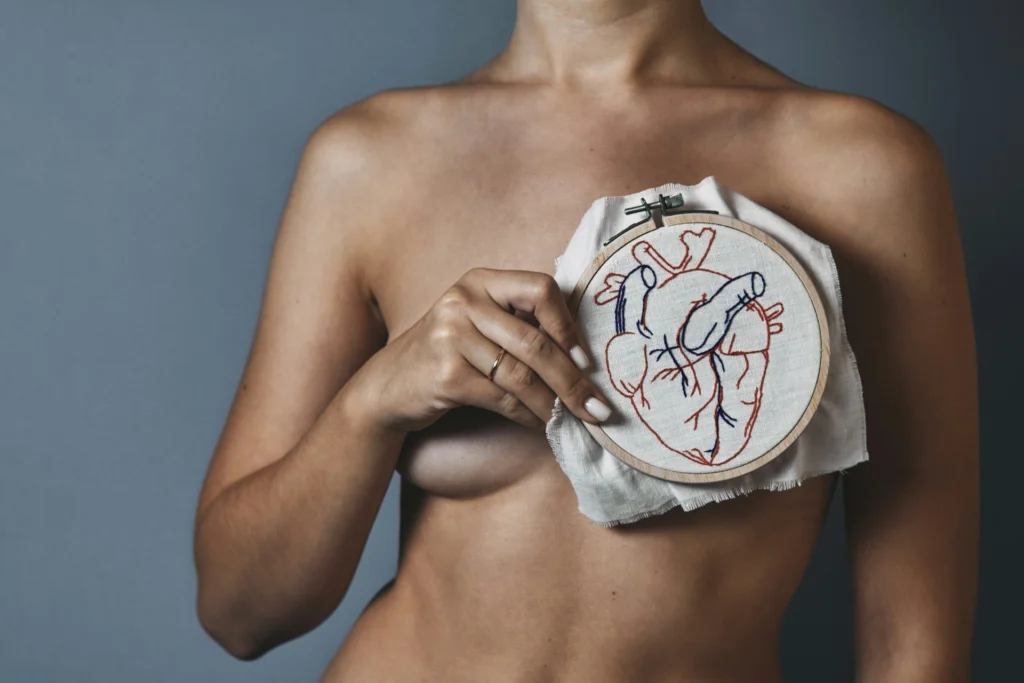
Imagine sitting quietly on your couch when suddenly your heart starts racing. It flutters, skips a beat or pounds so hard you can feel it in your chest. These moments can be genuinely alarming, especially if you’ve never experienced them before.
Fluctuating estrogen affects both your nervous and cardiovascular systems. As hormone levels rise and fall unpredictably during perimenopause and menopause, they can trigger these unsettling flutters. Your heart isn’t failing. It’s responding to the hormonal shifts happening inside your body.
The cardiovascular symptoms are more widespread than you might think. Studies indicate that up to 54% of women experience heart palpitations during the menopausal transition. Natural management starts with awareness. Deep breathing exercises can calm your nervous system when palpitations strike. Mindfulness practices help you manage the anxiety these episodes can create. Reducing your caffeine intake, particularly in the afternoon and evening, may also decrease the frequency of these flutters.
Your eyes feel gritty, like there’s sand under your eyelids. They sting when you blink or burn after a few hours of screen time. You might find yourself reaching for eye drops constantly or rubbing your eyes throughout the day, searching for relief from that chronically dry sensation.
Declining hormone levels directly affect your body’s ability to produce adequate tears and moisture. Your eyes need a healthy tear film to stay comfortable and function properly. When estrogen drops, that delicate moisture balance gets disrupted.
The connection between menopause and eye health is well-documented. Medical research confirms that the risk of dry eye disease increases as you go through the menopause transition. Managing this naturally involves creating a more moisture-friendly environment. Use a bedside humidifier to add moisture to the air while you sleep. Apply warm compresses to your closed eyes for a few minutes each day. Stay highly hydrated by drinking water throughout the day rather than waiting until you feel thirsty.
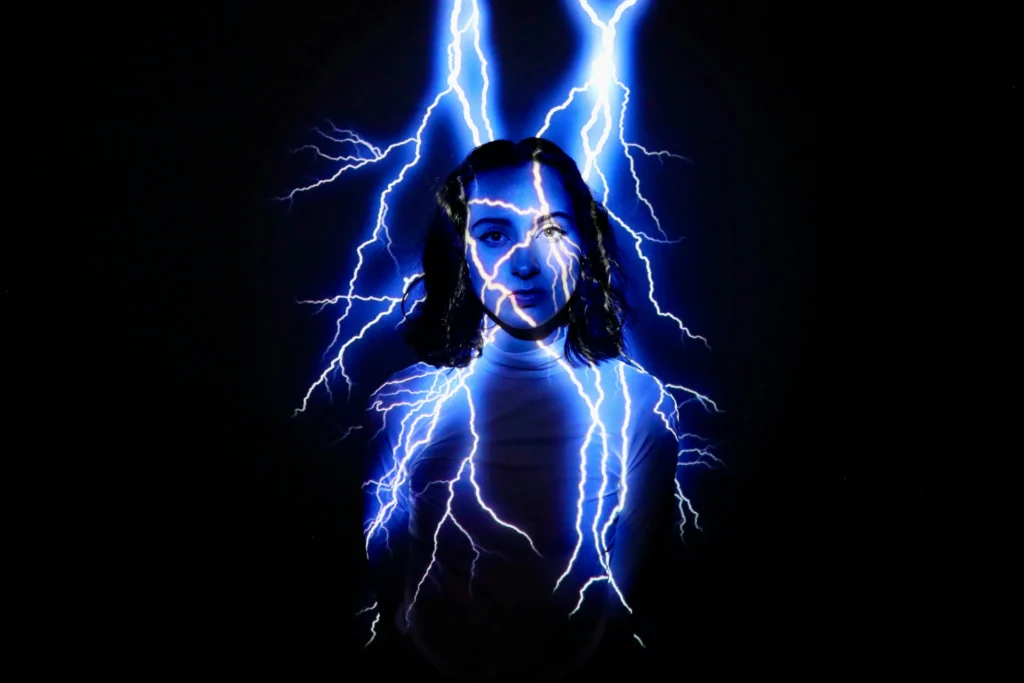
This one sounds almost too strange to be real, but it happens. A sudden “zap” shoots across your skin or through your extremities. It feels like a brief electric current or a sharp tingling sensation that appears without warning and disappears just as quickly.
Scientists are still unsure what causes this electric shock sensation, called paresthesia, but it may be linked to rapid temperature changes triggered by hot flashes. When your body temperature fluctuates dramatically and quickly, neurons can misfire and send these bizarre shock-like signals. The sensations often occur right before a hot flash begins.
Managing the zaps means targeting the hot flashes themselves. Keep your core body temperature cool by dressing in layers you can remove easily. Sleep with breathable sheets and keep your bedroom temperature on the cooler side. Ashwagandha, an adaptogenic herb, has been shown to reduce hot flashes and may help decrease the electric shock sensations that accompany them.
Your skin suddenly feels incredibly dry, no matter how much lotion you apply. It might feel flaky, tight or constantly itchy. You scratch your arms absentmindedly throughout the day or wake up at night because your legs feel so uncomfortable.
Estrogen plays an essential role in the production of skin oils and collagen, the two components that keep your skin supple, moisturized and comfortable. When estrogen levels drop, your skin barrier becomes depleted. It loses its ability to retain moisture effectively, and that protective outer layer weakens.
Natural management requires a shift in your skincare routine. Switch to ultra-gentle, fragrance-free cleansers that won’t strip away what little oil your skin is still producing. Apply thick, rich moisturizers immediately after showering while your skin is still damp to lock in moisture. Avoid hot water in the shower or bath, as it further dries out your skin. Lukewarm water is gentler and less depleting.
A persistent ringing, buzzing or whooshing sound fills your ears. Sometimes it’s subtle background noise. Other times, it’s loud enough to interfere with your concentration or make it difficult to fall asleep. The frustrating part is that no external sound is actually causing it.
The connection between hormones and hearing might surprise you. Estrogen receptors exist in your hearing pathways. When hormonal levels suddenly drop during menopause, normal auditory processing can become disrupted. Your brain receives false signals that it interprets as sound even though nothing is there.
This symptom affects more women than you might expect. Research suggests that up to 30% of women may experience tinnitus during menopause. Natural management focuses on masking the sound and reducing triggers. White noise machines can help you sleep by providing a more pleasant background sound. Reducing your sodium intake may help decrease the intensity of the ringing for some women.

Your tongue feels scalded, as if you just sipped coffee that was far too hot. Your lips tingle, or the roof of your mouth burns constantly. This sensation can persist throughout the day and make eating or drinking uncomfortable.
Lower estrogen levels can decrease saliva production, leaving your mouth drier than normal. The hormonal changes can also alter pain receptors in your mouth, making them more sensitive and prone to sending burning signals to your brain.
The prevalence of this symptom often catches women by surprise. Data shows that up to 33% of women experience this burning or dry mouth sensation during menopause. Natural relief strategies can help. Sip cold water frequently throughout the day to soothe the burning and stimulate saliva production. Chew sugar-free gum to encourage your salivary glands to work. Avoid spicy foods, highly acidic foods and anything that seems to trigger or worsen the burning.
This is perhaps the most unsettling symptom on the list. You feel a distinct sensation of bugs crawling on your skin or just beneath the surface. You might brush at your arms or legs, certain something is there, only to find nothing. The feeling is vivid and uncomfortable, even though it’s completely phantom.
As estrogen falls, the loss of collagen and moisture affects your nerve endings. These nerve endings in your skin can misfire and send false signals to your brain. Your brain interprets these misfired signals as the sensation of something crawling, even though nothing is actually there.
You’re not alone in experiencing this bizarre symptom. Studies indicate that up to 20% of women report this “skin-crawling” feeling during their menopausal transition. Natural management focuses on calming your nervous system and cooling your skin. Apply cooling lotions or aloe vera gel when the sensation strikes. Practice stress-reduction techniques like meditation or deep breathing, as anxiety can intensify the feeling. Wear breathable, natural fabrics that allow air circulation and don’t trap heat against your skin.
These symptoms are strange, uncomfortable and sometimes downright bizarre. But they’re also a normal part of your body’s changing landscape. Your hormones are shifting in profound ways and these unusual symptoms are simply your body adjusting to new levels. You don’t have to suffer through this transition in silence or feel like you’re losing your mind.
Remember that this phase is temporary. With the right support, information and natural management strategies, you can navigate these changes with greater comfort and confidence.

Your email address will only be used to send you our newsletter, and at any time you may unsubscribe. For more information, see our Privacy Policy.
