
Body + Mind is reader-supported. We may earn an affiliate commission when you buy through some of the links on our site.
Modern dating life can be exhausting, with endless swiping, ghosting and situationships that fizzle before they even start. This fatigue is a widely shared experience among people trying to date in an app-driven world. Amid all the noise, a quieter, less pressure-filled approach to dating has been gaining traction as a potential antidote. Wildflowering dating revolves around letting things bloom naturally.
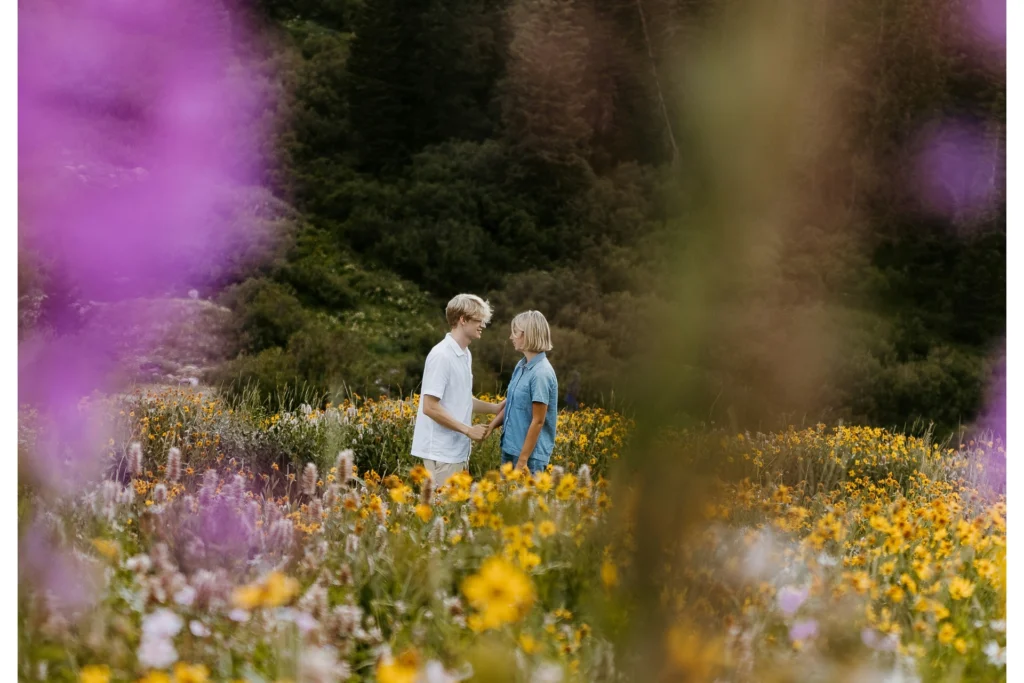
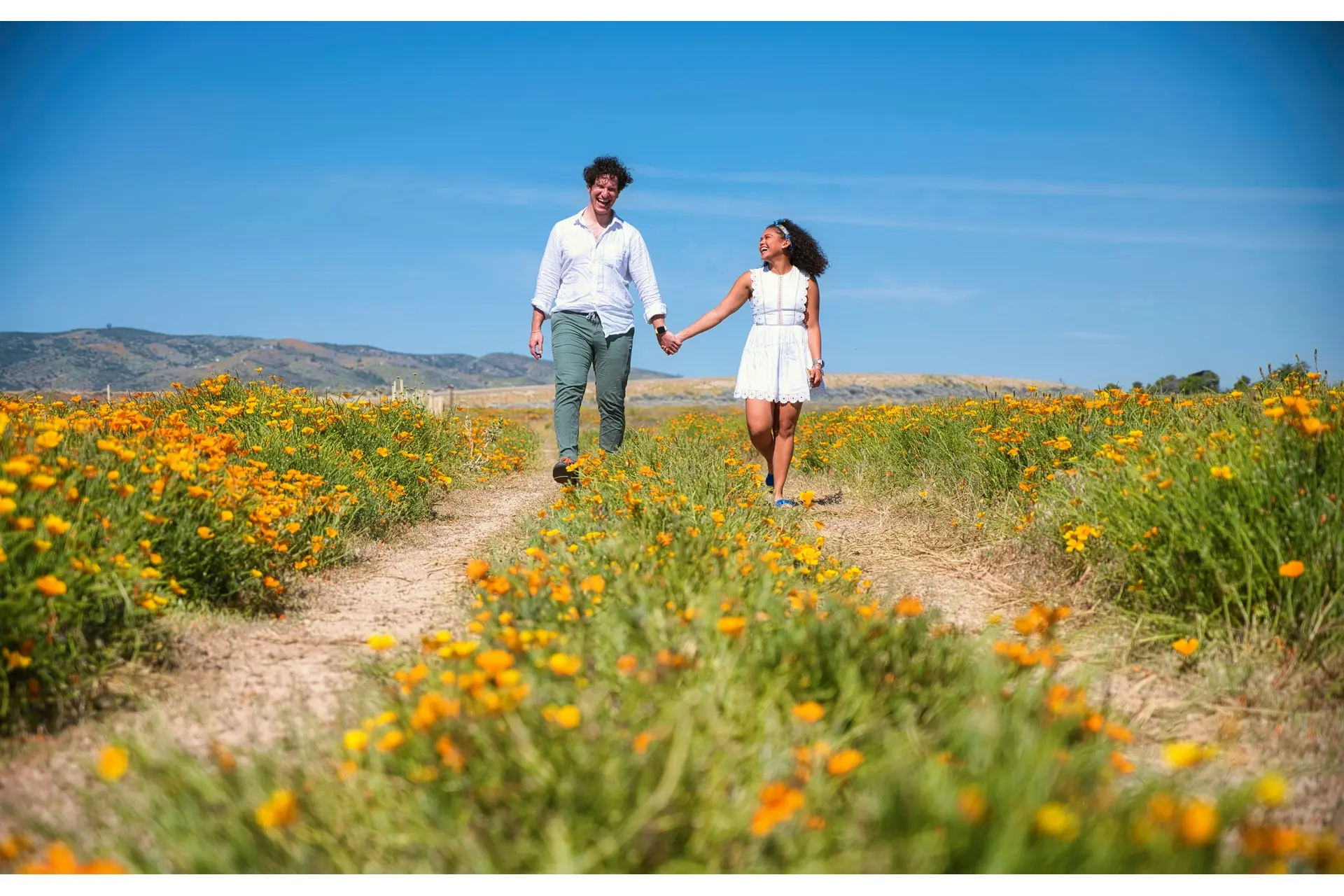
Wildflowering dating means letting a romantic connection unfold at its own pace, without forcing labels, timelines or an early “what are we?” conversation. It’s not about being noncommittal forever. It’s about giving a connection breathing room before deciding what it is.
Imagine seeing someone for a few weeks, genuinely enjoying time together, and totally feeling fine not knowing yet if it’s “serious.” That’s wildflowering in action.
Wildflowering is picking up steam because many online daters have grown tired of the swipe-judge-repeat cycle and the pressure that comes with it. A study found that 48% of online dating app users report experiencing at least one unwanted behavior, like unsolicited explicit messages and unwanted continued contact.
Given the online dating landscape, it makes sense that an approach built on patience and low stakes would feel refreshing instead of risky. Wildflowering is less of a rulebook and more of a mindset shift, one that trades urgency for curiosity.

Removing the pressure to define things early can let a connection grow more authentically. Neither person is forcing chemistry that isn’t there yet or dismissing a slow burn too soon.
Two people go on a first date that feels just “fine.” There are no fireworks, but by the third or fourth hangout, something clicks that wasn’t obvious at first. Wildflowering gives that slow click room to happen instead of writing someone off after date one.
Wildflowering’s slow pace lines up well with what science says about attractions. First impressions aren’t fixed. How you feel about a potential partner can shift over time, especially between the first few meetings. If one date doesn’t spark immediate certainty, it might just mean compatibility hasn’t had a chance to reveal itself yet.
However, without any communication, wildflowering can leave room for mismatched expectations. One person might be happily casual, while the other is quietly hoping it becomes something more.
Picture two people wildflowering for a few months. One assumes it’s exclusive and headed somewhere serious, the other treats it as low-key and open. The lack of check-in eventually leads to hurt feelings on one side.
Wildflowering can also become a convenient cover for commitment avoidance if someone uses “let’s not label it” as a way to dodge accountability rather than genuinely stay open. The difference between wildflowering working beautifully or causing confusion almost always comes down to communication.

Lean into the laid-back spirit of wildflowering while sidestepping pitfalls with these strategies.
Practice sitting with the uncertainty of not having a label yet, instead of treating “undefined” as a problem that needs solving immediately. If three dates in, you catch yourself wanting to ask, “So what are we?” — pause that urge. Instead, determine whether you’re actually enjoying the time together right now, label or no label.
The uncertainty can feel uncomfortable at first, especially if you’re used to dating apps that push quick decisions. However, it often eases the more you practice it. Rather than viewing the unknown as a void that needs filling, try treating it as an open space where the connection gets to take its natural shape.
Imagine you’ve been casually dating someone for a month, and you start to realize you want more consistency. Saying so out loud, without demanding a label, keeps things honest even inside a low-pressure dynamic.
The goal is not to avoid hard conversations altogether. It’s to avoid rushing conversations about commitment before they’re needed, while speaking up about feelings, needs or doubts as they rise. Wildflowering only works if both people are being truthful with themselves and each other along the way.
If you start feeling disenchanted, bored or ready for something different, say so sooner rather than later. Holding it in delays an eventual, possibly messier conversation.
Instead of trying to define the relationship through conversation alone, let shared experiences do some of the work. Trying new things together naturally reveals compatibility and keeps things feeling fresh.
You and your date can sign up for a pottery class or trek a new hiking trail together. The way you both handle something unfamiliar will tell you a lot more than a label ever could. It will also help you build your relationship more organically. This strategy is also a tried-and-true way to keep budding and long-term connections feeling exciting and alive.
Wildflowering isn’t a “set it and forget it” approach. You need to pause often and ask whether the dynamic still feels good to you. After a couple of months of casually dating someone, take a quiet moment to ask yourself honestly. Do you still feel excited after seeing them, or are you starting to feel anxious, confused or like your needs aren’t being met?
Check in with the other person as well. Ask them questions like, “Does this still feel mutual?” and “Are you comfortable with the pace?” Consider journaling or setting a mental check-in reminder every few weeks to stay tuned in to your own feelings rather than only focusing on the other person.
You don’t have to stay casual forever when wildflowering. You may want to add a label, slow down or speed up as the connection evolves, and that’s not a failure of the approach.
If you want to become exclusive with someone after three months of wildflowering, don’t hesitate to bring that up. It’s a natural next step that the approach was designed to allow for. Remember that the flexibility goes both ways. If your date wants to slow things down or step back, that’s also a valid part of letting the connection unfold honestly.
There’s no “correct” endpoint for wildflowering. The goal is to stay open to wherever genuine compatibility leads.

Wildflowering can be a healthy, low-pressure way to date or a convenient mask for avoiding real intimacy and commitment. The difference comes down to self-awareness. It helps to assess your dating mindset before deciding whether wildflowering is right for you.
The pattern that you associate with will reveal whether wildflowering will help you or hold you back. Neither pattern is something to feel bad about. The point of this kind of reflection is to help you date with more self-awareness, not self-judgment. Remember that wildflowering is healthiest when it’s a conscious choice made with intention.
Stepping away from rigid timelines and forced labels can feel like a genuine relief after the exhausting swipe-judge-repeat cycle. Wildflowering works best when it’s paired with honesty, self-awareness and a willingness to let things change over time. Give your relationship room to bloom at its own pace.
Your email address will only be used to send you our newsletter, and at any time you may unsubscribe. For more information, see our Privacy Policy.
