

Body + Mind is reader-supported. We may earn an affiliate commission when you buy through some of the links on our site.
You’ve probably heard plenty about probiotics and prebiotics, the live microbes and the fiber that feeds them. A third member of the family keeps popping up on supplement labels and in research journals, and it works its magic after the bacteria behind it stop living. Postbiotics are a little complicated, but worth understanding before you add one more supplement bottle to your shopping cart.
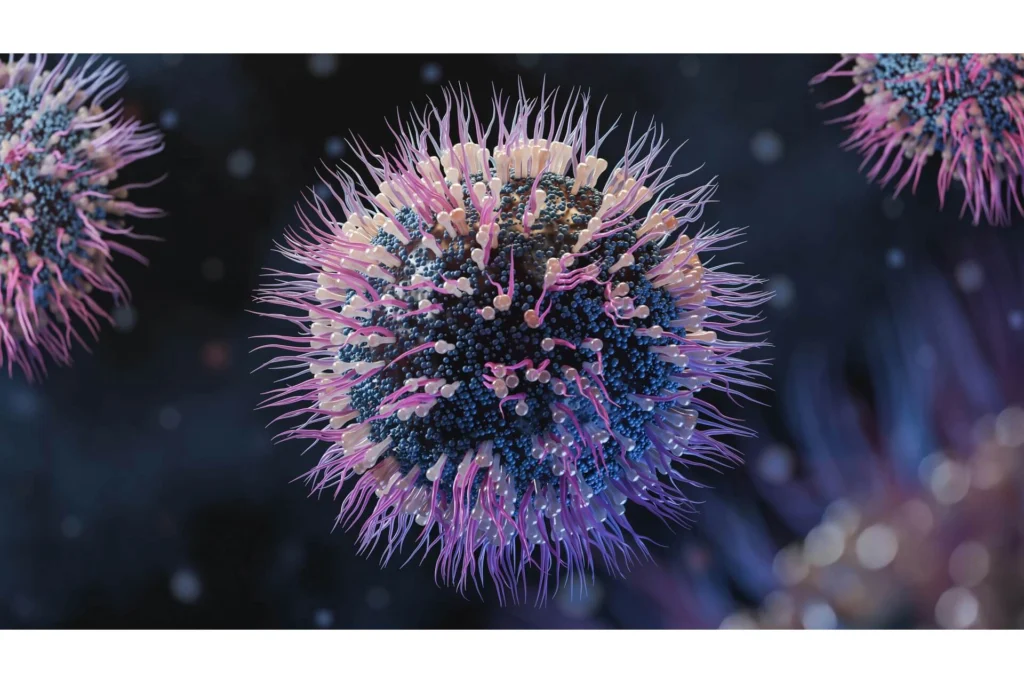
A postbiotic is a preparation of inactivated microbes, their fragments or both that offers a health benefit once it’s inside your body. Researchers rely on a consensus definition centered on inanimate microorganisms and their components, meaning bacteria that can no longer grow or generate energy. Picture a probiotic that’s been switched off, usually with heat, but still carries its cell walls, proteins and byproducts.
The biotic family gets crowded fast, so here’s the short version:
The definition still shifts a bit depending on who you ask. Harvard’s Nutrition Source describes postbiotics as the leftovers gut bacteria make from fiber, including short-chain fatty acids and vitamin K. Both can agree on the big idea. The bacteria behind a postbiotic are finished, but their work keeps going.

Inactive bacteria sound useless on paper, but your gut sees things a little differently. Short-chain fatty acids are the best-studied part of the story, and butyrate leads the pack. It serves as fuel for colon cells and strengthens the tight junctions that seal the gaps between them. That seal is an important factor.
A sturdier gut lining keeps what belongs. Butyrate also signals your immune system, both in the gut and as far away as the brain. If you’ve ever wondered why dietitians keep nudging you toward beans and oats, this is a big part of the answer.
Whole inactivated cells pull their weight too. Heat-killed bacteria retain their cell-surface structures while losing the ability to reproduce, and researchers think that combination may make them a safer choice for older adults and people with weakened immune systems.
Postbiotics also offer better stability and longer shelf life than live cultures, which is handy for anything that sits in a kitchen cabinet for months.
Most of the strongest evidence for postbiotics in gut health comes from human trials using heat-killed versions of well-known probiotic strains. Three recent studies show both the promise and the limits.
A 2024 study tested heat-treated Bifidobacterium longum in adults with diarrhea-predominant irritable bowel syndrome (IBS-D). The researchers split 200 participants into three groups and followed them for 84 days. One group took the live probiotic, one took the heat-treated postbiotic and one took a placebo. Both active versions lowered symptom severity scores more than the placebo did, and participants tolerated them well.
In August 2026, researchers from Bereum, a South Korean company that makes the ingredient, published the results of an 84-day trial. They assigned 140 adults with excess weight and ongoing mild-to-moderate digestive discomfort to receive either heat-killed Lactiplantibacillus plantarum or a placebo. The postbiotic group reported fewer digestive symptoms than the placebo group at day 42 and again at day 84, with the clearest gains in abdominal pain and indigestion. Their perceived stress scores dropped, too, while weight and body composition stayed put.
Not every result lands as neatly as those mentioned. A 2024 study gave healthy adults with mild digestive complaints the same heat-treated B. longum strain from the IBS trial. At follow-up, both the probiotic and placebo groups reported fewer symptoms, making the probiotic’s effect harder to pin down.
Each trial also tested one specific strain for about 12 weeks, so its results apply to that strain and little else.
You’ve likely been eating postbiotics without even trying. Baking, heating and pasteurization reduce or kill the probiotics in fermented foods, so sourdough bread and many shelf-stable jars of sauerkraut and kimchi carry few live microbes. Labels help here. A jar labeled as containing live microbes and active cultures has had its microbes added back. A jar without that label works more like a postbiotic-style food than a probiotic one.
Those foods still contain inactivated microbes and compounds left over from fermentation, which are the raw materials that postbiotic research has been focusing on.
Live-culture foods sit on the other side of the line. Kefir is a good example, since its grains host bacteria and yeasts that stay alive in the glass. Among healthy adults, regular kefir can shift gut bacteria within weeks, and it’s simple to brew at home with kefir grains, milk and a clean jar. Pairing it with heated ferments gives your gut both sides of the biotic coin. A slice of toasted sourdough next to a small glass of kefir covers both bases at breakfast.
Food comes first, and supplements come second. A few habits make either route work harder for you:
Postbiotics flip the usual gut health script. The bacteria clock out, yet their cell walls and byproducts keep working on your gut lining and immune signals. The research looks promising, especially for irritable bowel symptoms, but it still relies on small, strain-specific trials. Start with the fiber and fermented foods you already enjoy. If you try a supplement, pick one with a named strain and real research behind it, then give your gut a few weeks to weigh in.

Your email address will only be used to send you our newsletter, and at any time you may unsubscribe. For more information, see our Privacy Policy.
